

24.09.2026 | Jochen Bettzieche | SLF News
The flora of the Alps is changing: species are moving to higher elevations, new plants are appearing and others are disappearing. In the Flora Raetica project, the WSL Institute for Snow and Avalanche Research SLF, together with partner organisations and assisted by volunteer citizen scientists, is investigating how climate change is affecting plant diversity in Graubünden – and comparing present-day findings with records from almost a century ago.
- Climate change is affecting Alpine plants: The SLF is investigating how rising temperatures are driving plant species in Graubünden to seek out new habitats.
- Plants are shifting to higher elevations: One aim is to show which species are moving higher into the Alps, appearing for the first time or disappearing.
- Citizen scientists studying biodiversity: Volunteers are helping to document plants in Graubünden and reveal changes over the past 100 years.
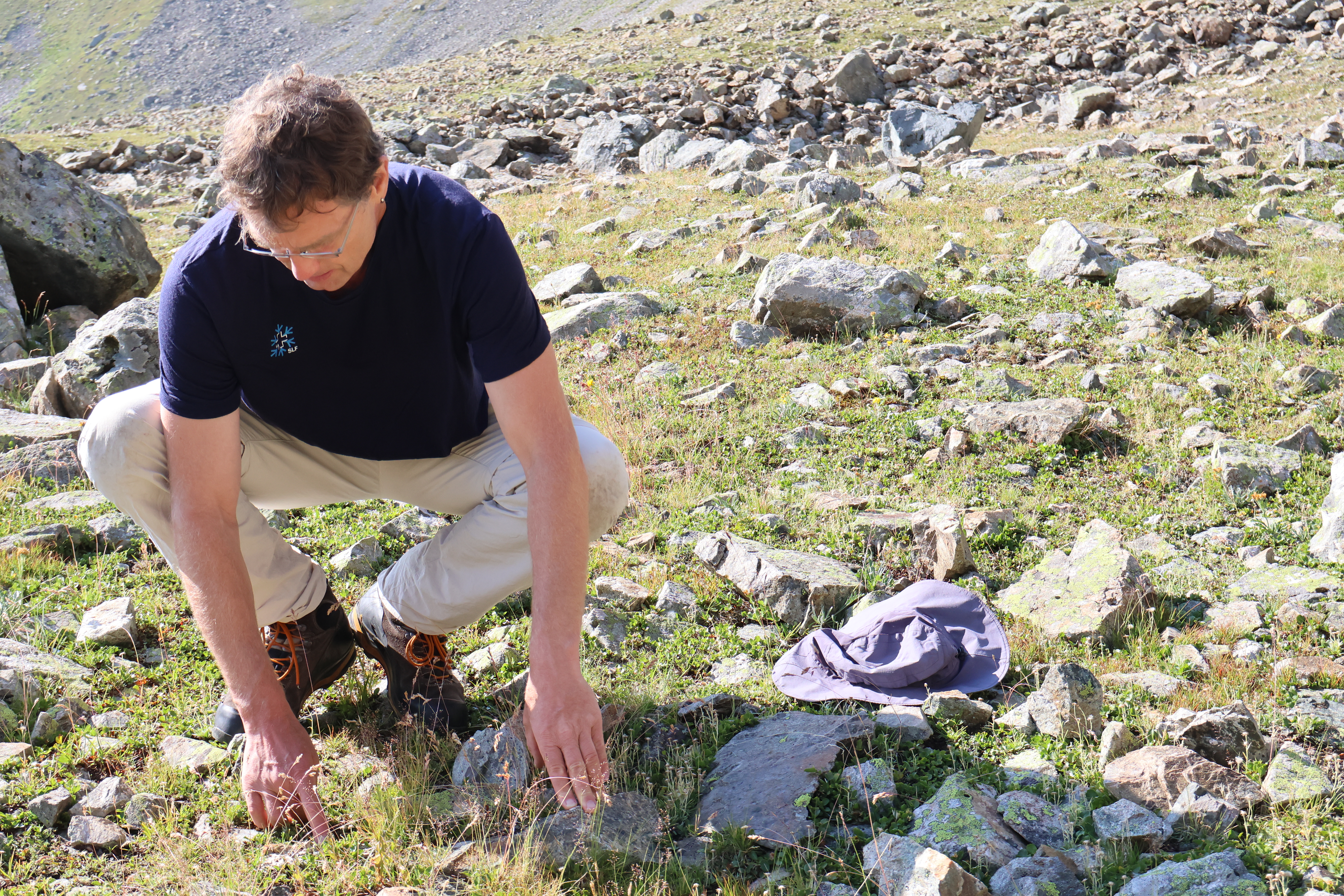
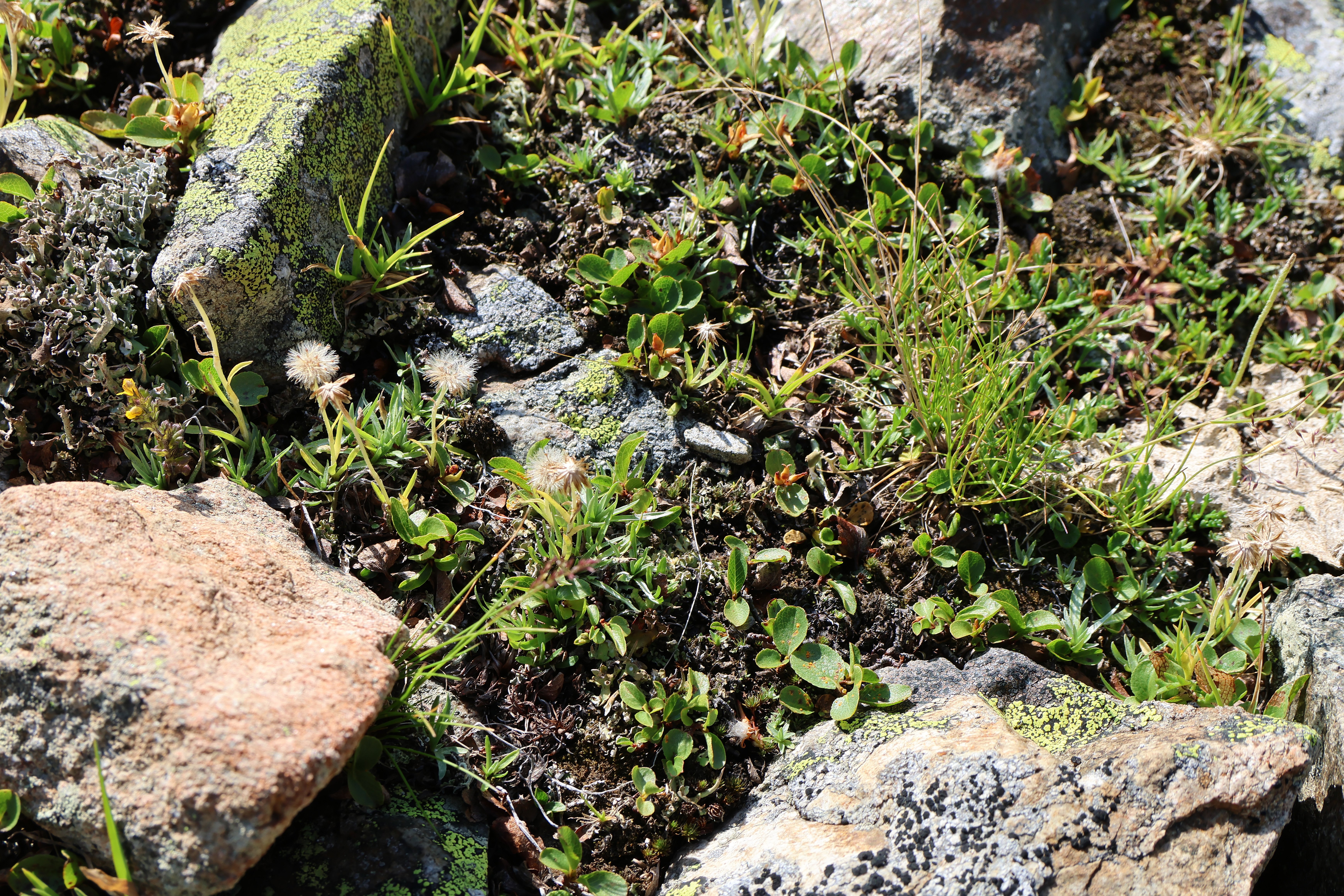
“Here we have mat-grass,” says Christian Rixen, “and this is alpine vernal grass, which is responsible for the lovely smell of hay.” He holds the plant in his hand. The root gives off a faint scent of turpentine. Further down the slope, cows are grazing. Their bells jingle on this Wednesday morning in August. The sun is slowly rising above the ridge. A hot day lies ahead. But Rixen has eyes only for the flora around him: “Oh, mountain buttercup – that hasn’t been recorded here for three years. And the alpine sedge over there hasn’t been observed here for thirteen years. And alpine toadflax – we’ve never had that here before.”
Rixen is a botanist at the SLF, and this morning he is completely in his element. He is co-leader of the Flora Raetica project (see box). In the early 1930s, botanists Josias Braun-Blanquet and Eduard Rübel documented the flora of Graubünden. In this project, Rixen is investigating which species have appeared since then, which have disappeared and how their regional distribution has shifted.
A surprise at altitude 
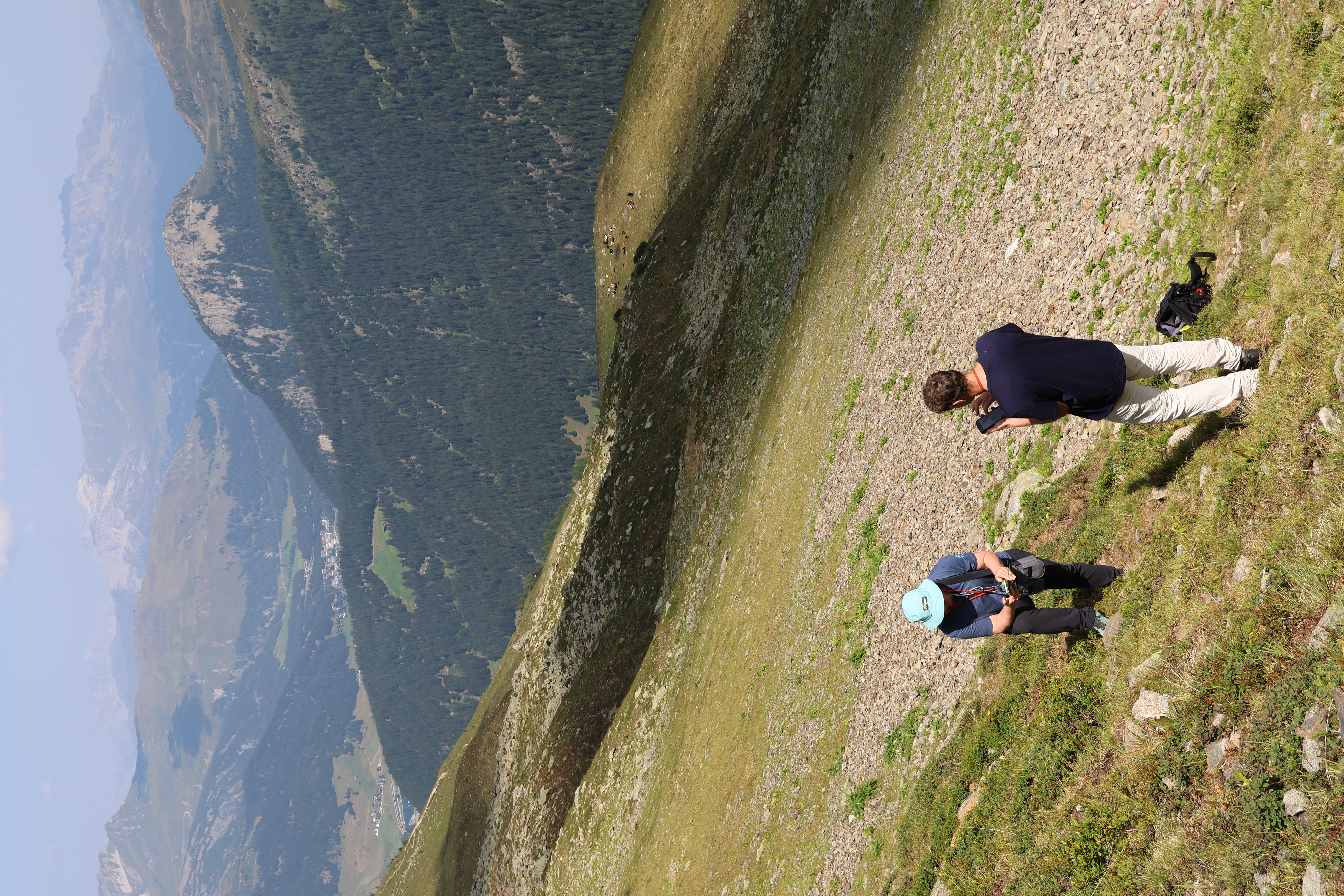
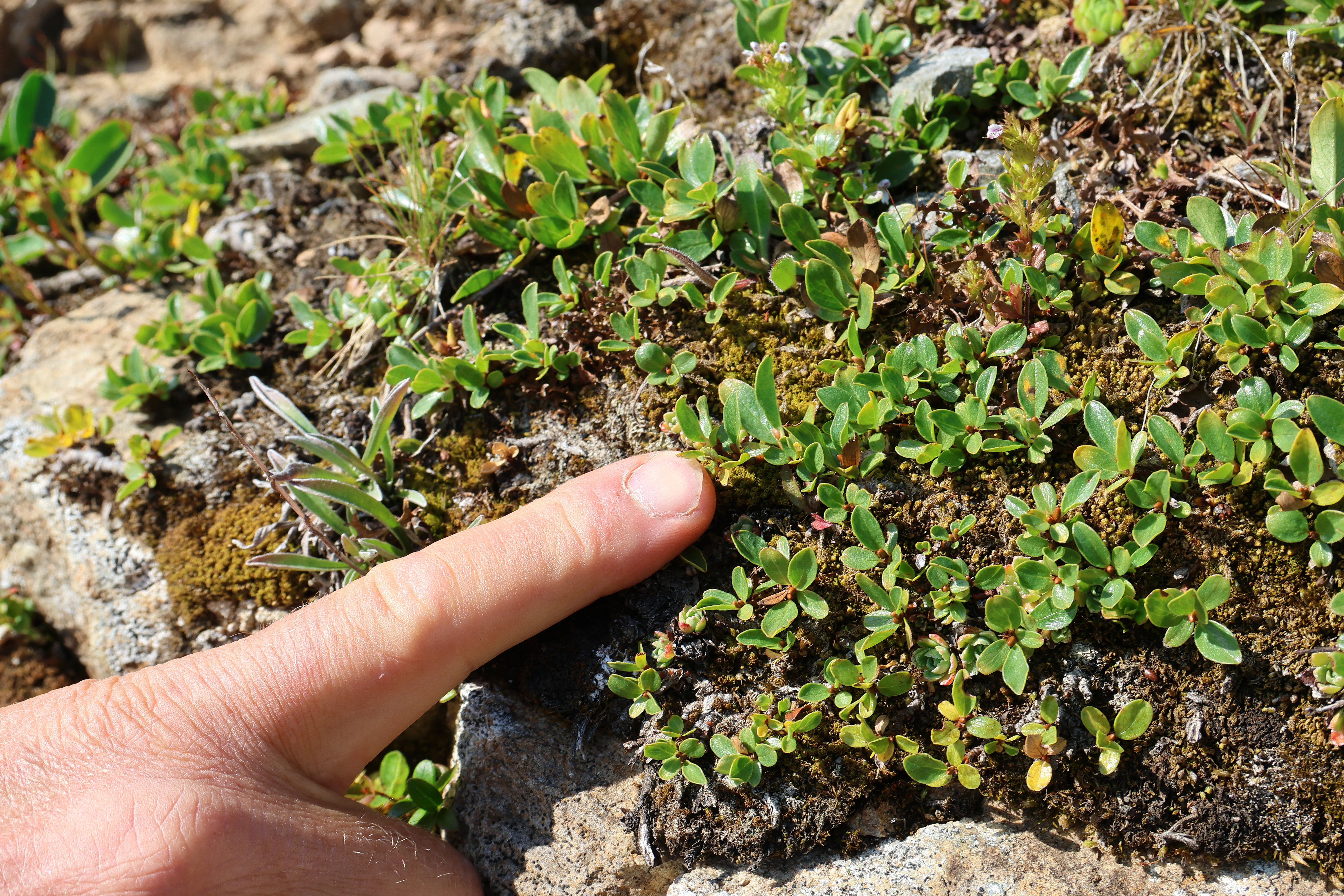
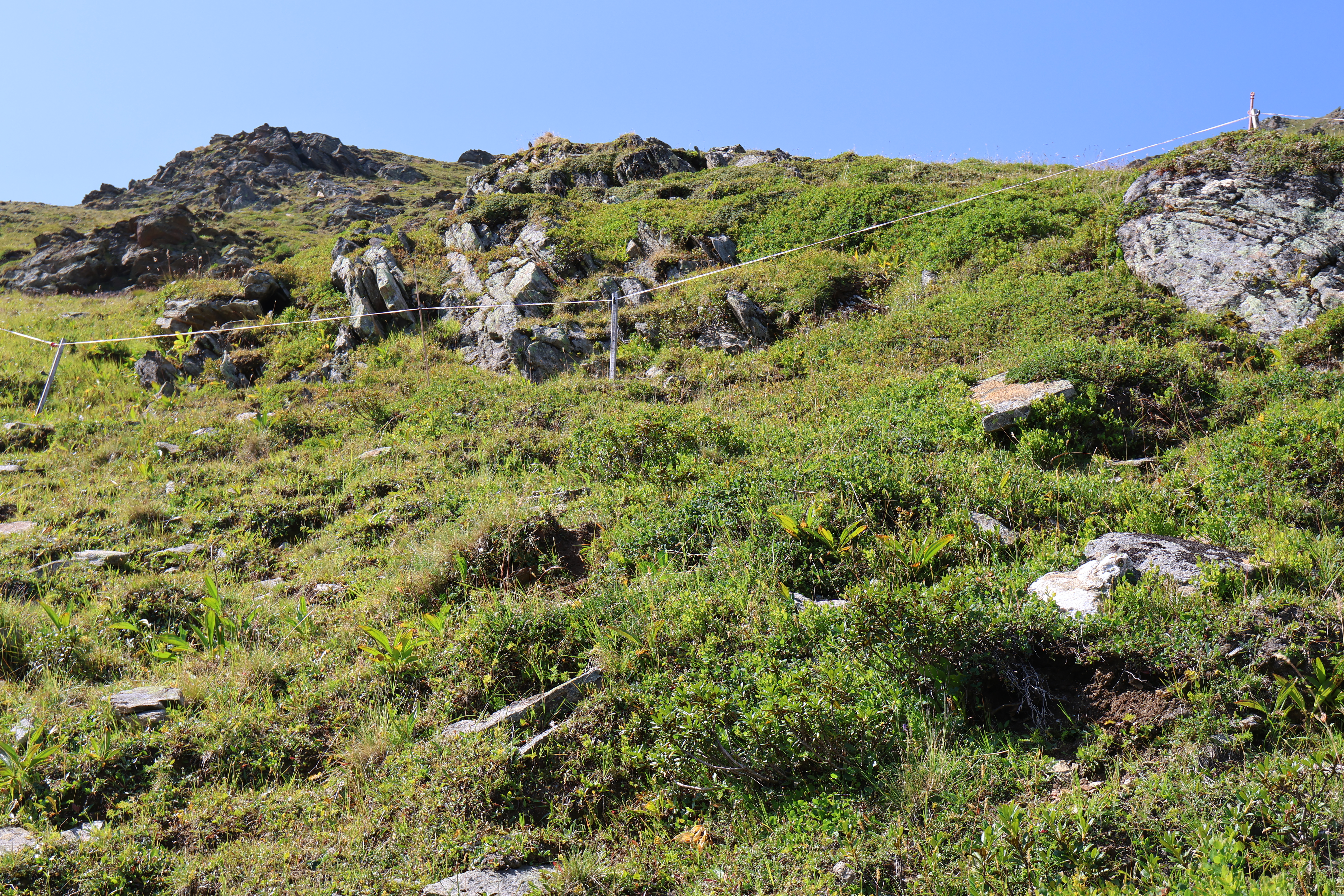
Today, he is working below the Jatzhorn near Davos. There, at between 2,400 and 2,500 metres above sea level, lies one of the project’s 1,104 ‘flash squares’. This is what he calls the 100x100-metre survey plots which project staff check between one and three times to see which plant species are growing there. Rixen points to some green leaves on the ground and explains the procedure: “You go to a square and write down everything you find. To give you an example, here’s a spotted gentian.” ‘Write down’ isn’t quite the right way to describe it, though. In fact, Rixen and project coordinator Ingrid Jansen, who is accompanying him today, log the plants they find in a smartphone app. Biodiversity can vary considerably from one flash square to another, depending on the location and the number of different habitats. Here, on the mountain, grassy areas alternate with rock. In other parts of Graubünden, there may be scree, or a stream may wind its way through the landscape.
At 2,520 metres above sea level, Rixen stops. A small spruce has taken root this high up – only 10 to 20 centimetres tall, but still... “For spruce trees, elevations above 2,500 metres are unusual,” says Rixen. He had already been surprised to find three larches at 2,450 metres. The increasingly warm summers caused by climate change have seen the treeline rise by around 400 metres in elevation over the past 50 years, explains the scientist: “But the trees are lagging behind, which is why it’s interesting when we find individual specimens further up.”
An early autumn 
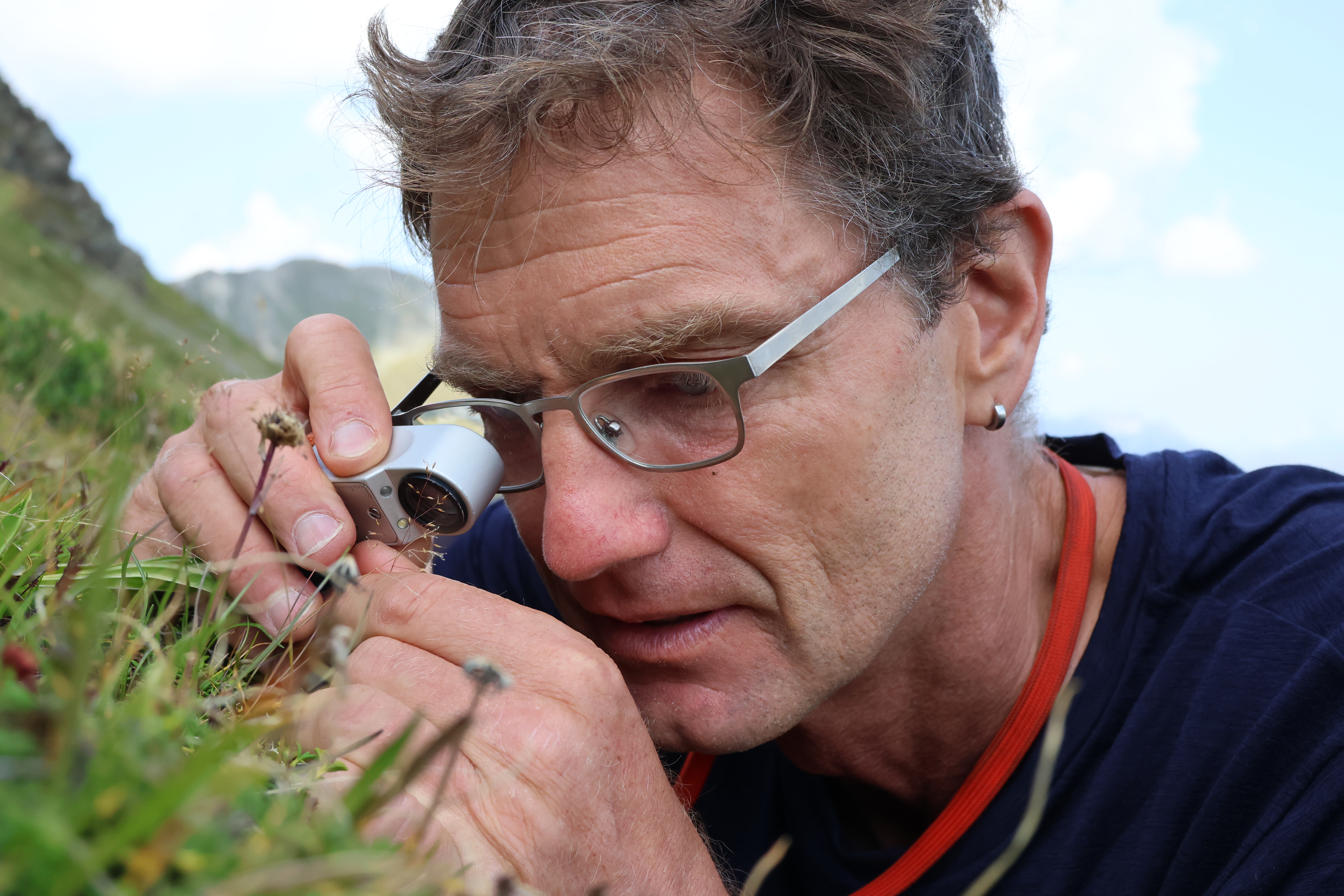
Climate change is making itself felt. By comparing the findings with historical data, researchers can determine the elevations at which certain plants occurred almost 100 years ago, which species are shifting upwards and whether incoming competitors are displacing them at lower elevations. “We can see where 2,500 plant species used to occur and where they’re found today,” says Rixen.
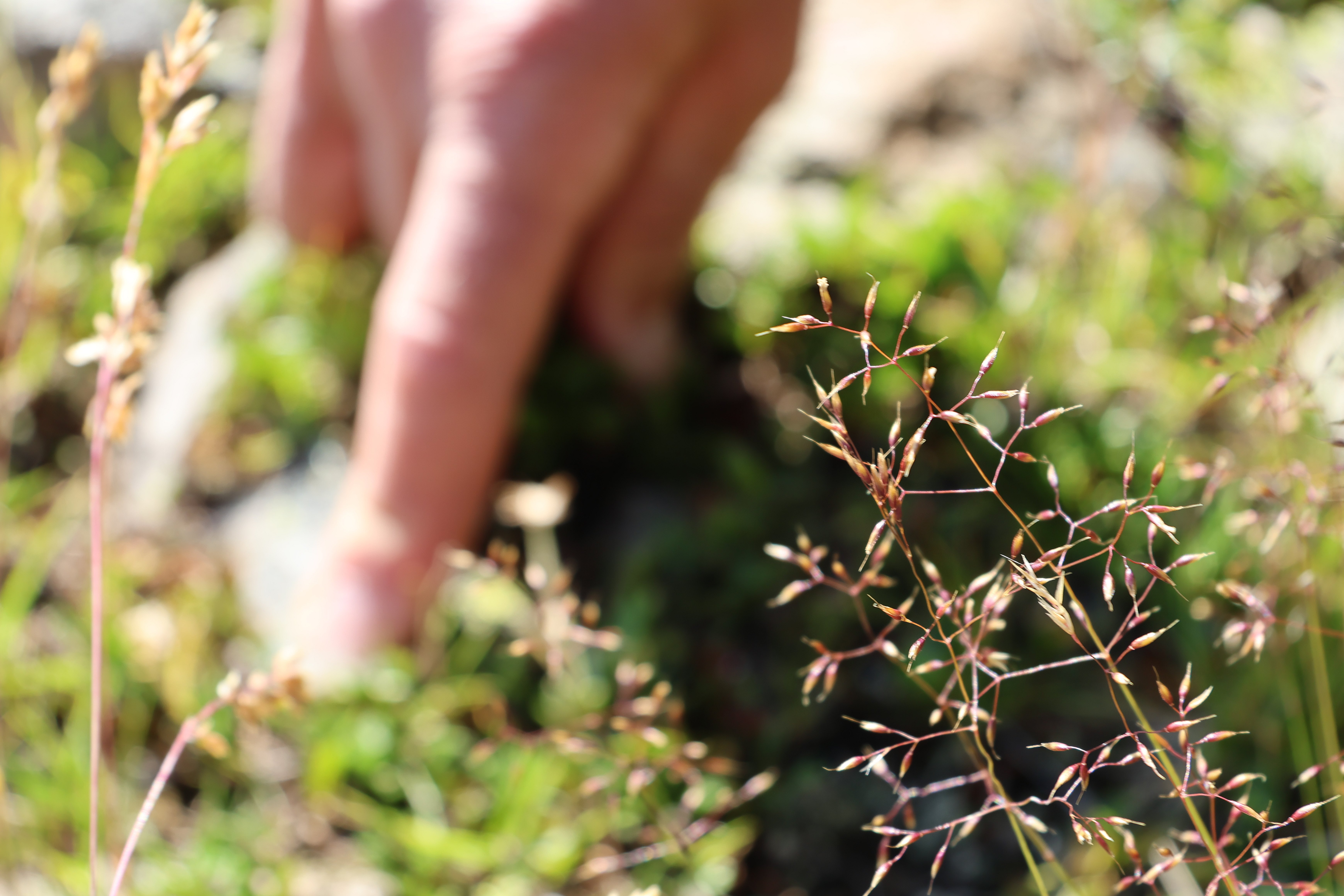
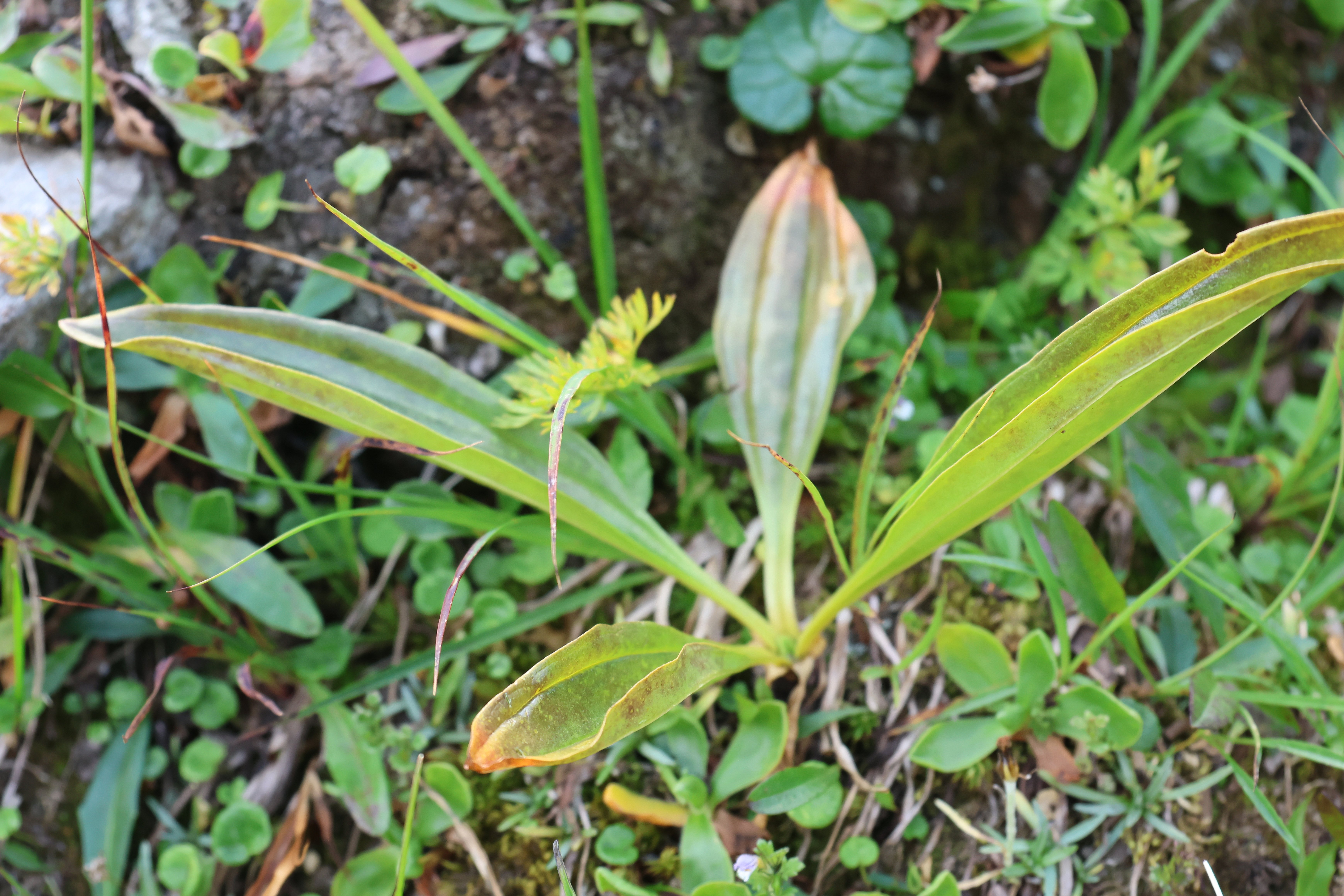
Not all plants benefit from warmer temperatures. Many need to accumulate a certain amount of warmth over the course of the year. When it’s hot, as it was this summer, they are unable to make use of all of that warmth. For them, autumn starts earlier. Rixen takes a deep breath: “You can already smell it here – that scent of valerian, which is typical when leaves start to decompose.”
One app to find them 

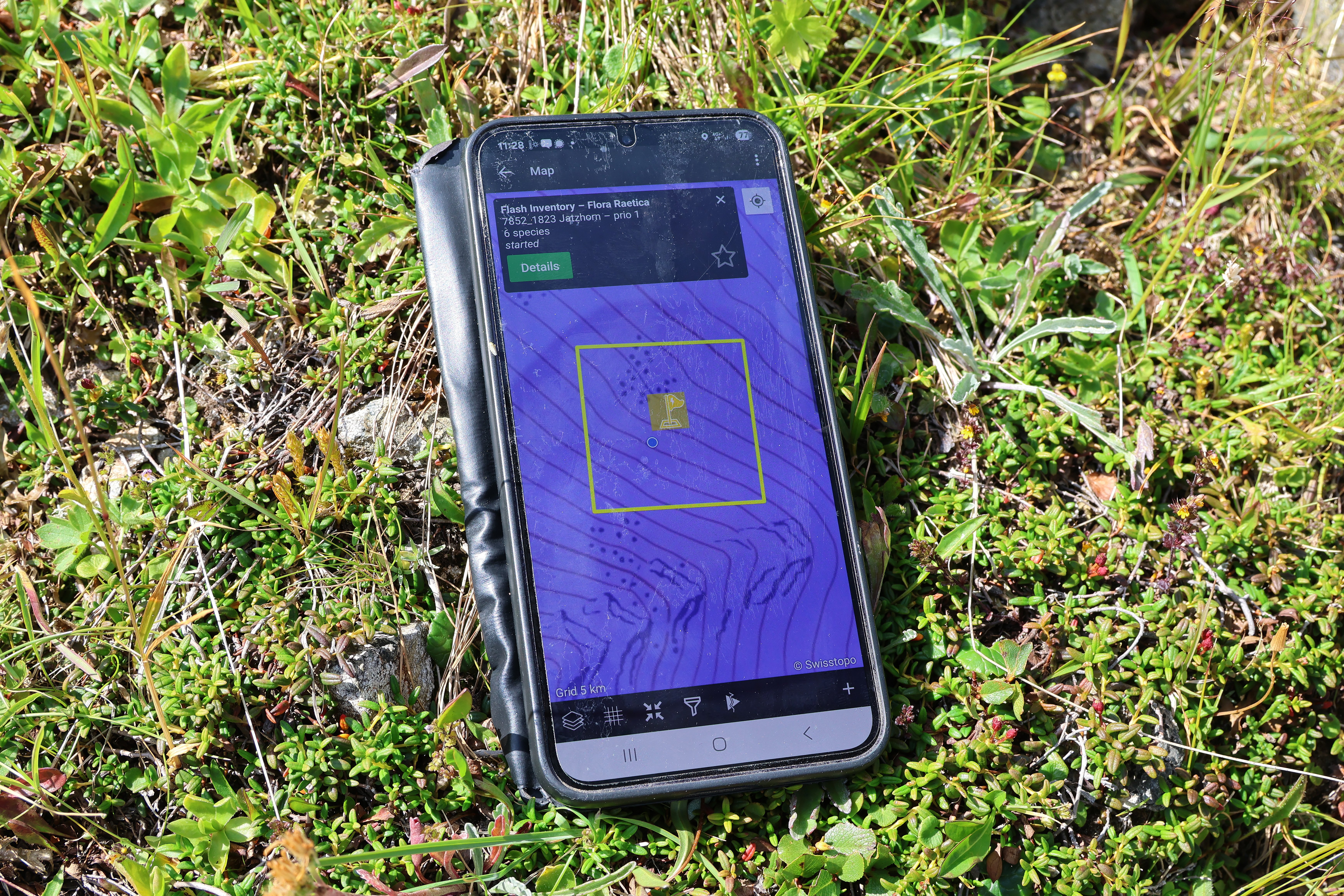
Image 1 of 7
FlorApp helps users identify and record plants. Here it is showing the exact location of the Jatzhorn flash square. (Photo: Jochen Bettzieche/SLF)

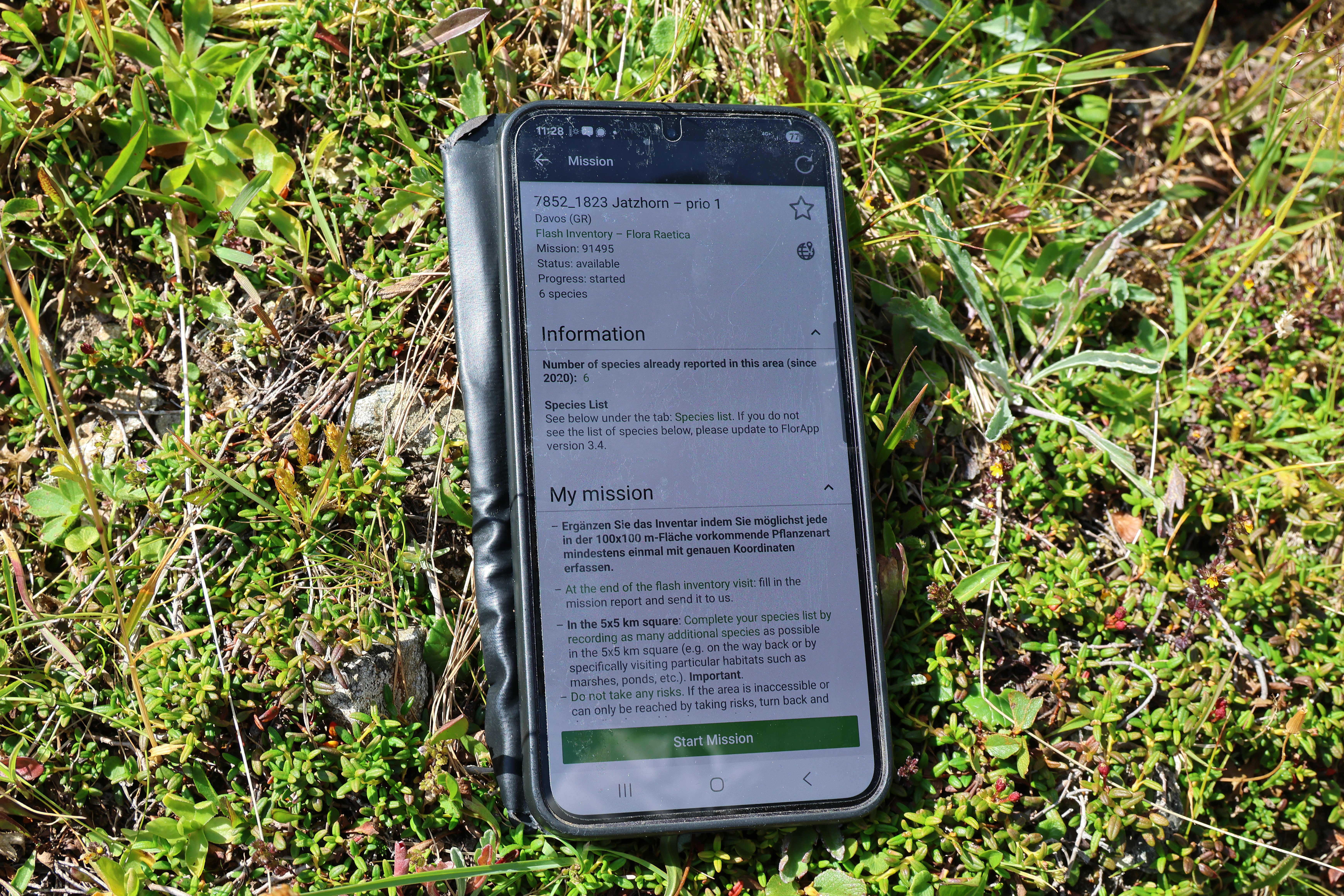
Image 2 of 7
The app shows what has happened most recently in this square. One tap, and the mission begins. (Photo: Jochen Bettzieche/SLF)

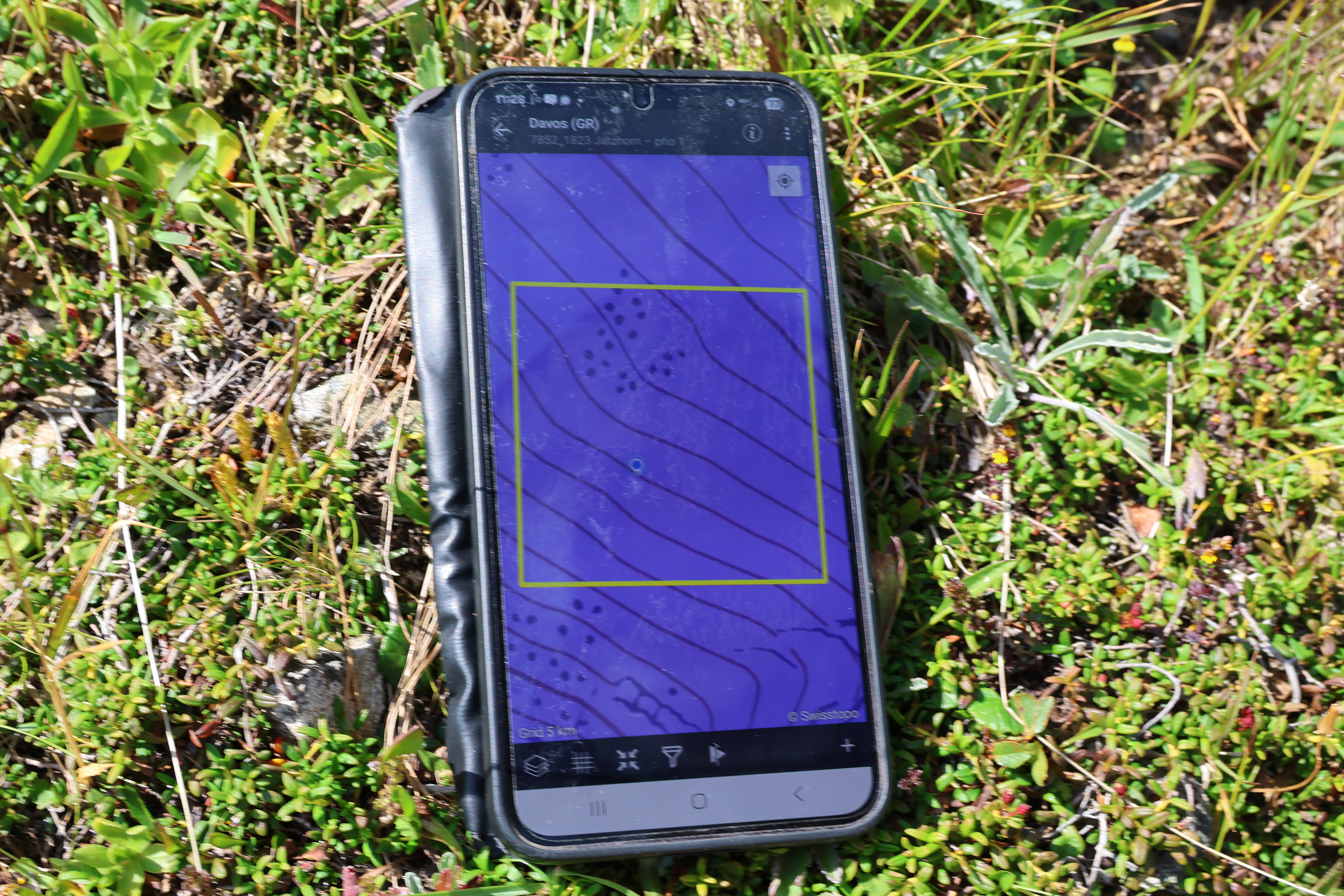
Image 3 of 7
GPS helps to pinpoint the user’s exact location. (Photo: Jochen Bettzieche/SLF)

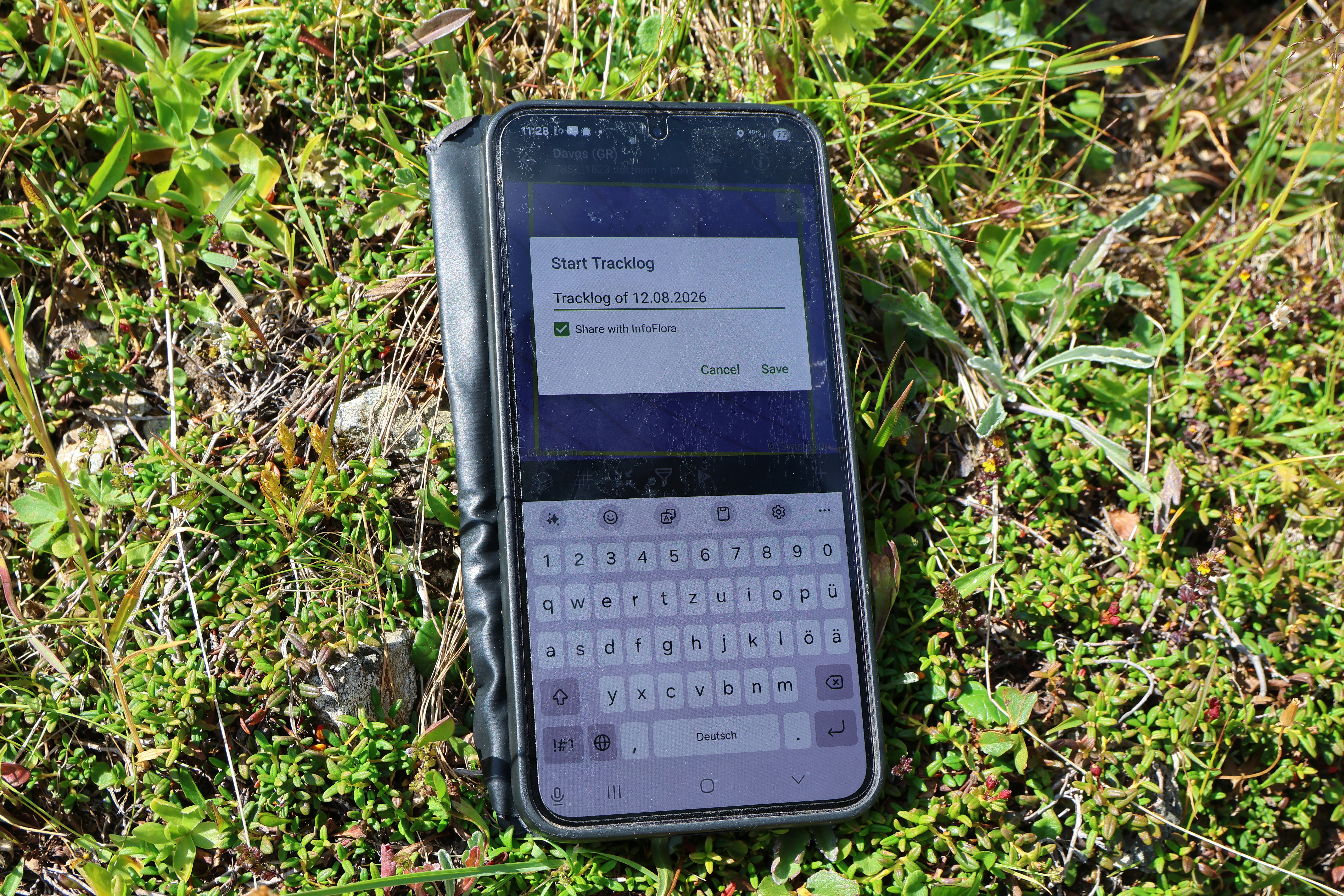
Image 4 of 7
The Tracklog function records exactly how the researchers moved around inside the flash square. (Photo: Jochen Bettzieche/SLF)

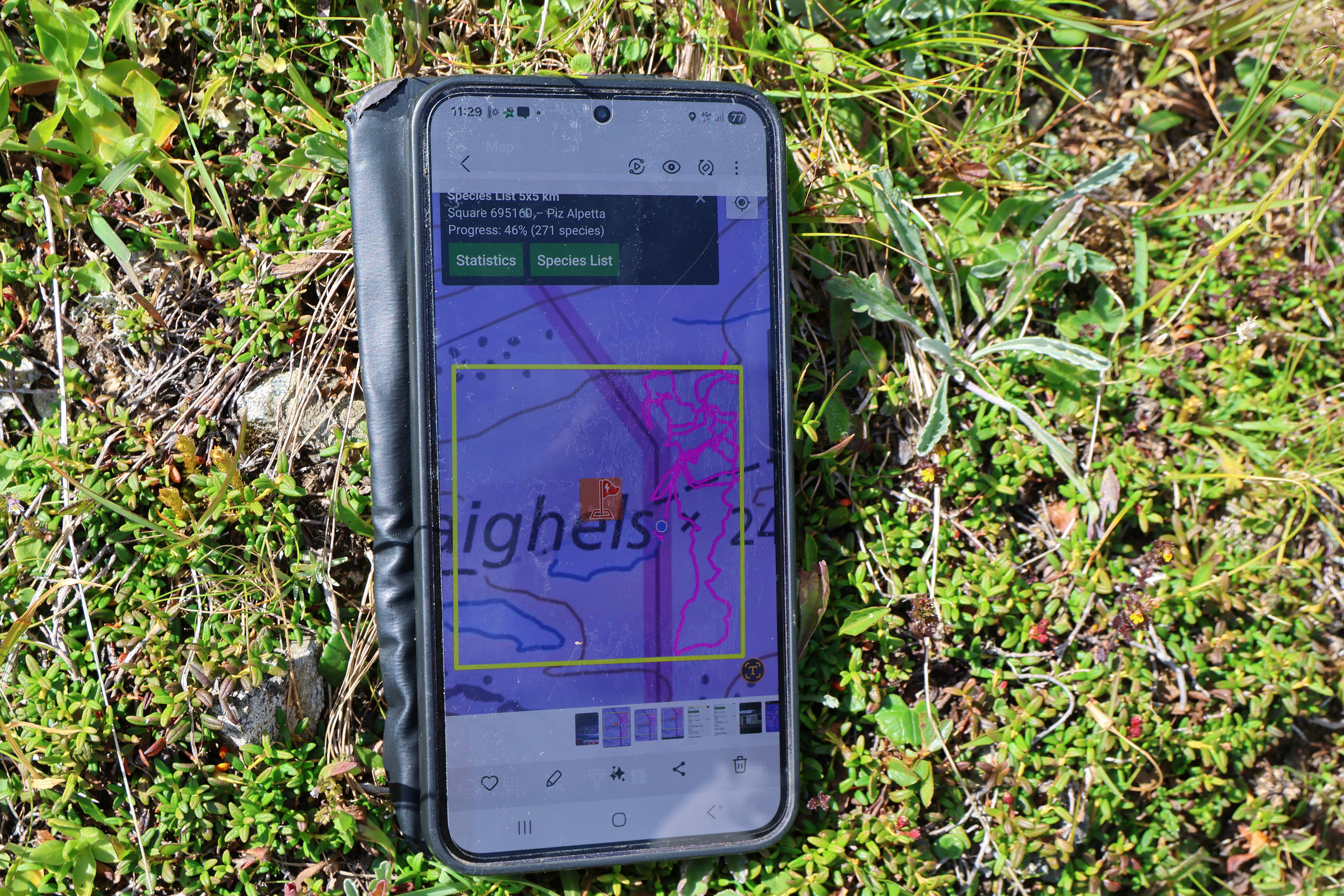
Image 5 of 7
Here is an example from Piz Alpetta. The researchers’ movements can be clearly seen. (Photo: Jochen Bettzieche/SLF)

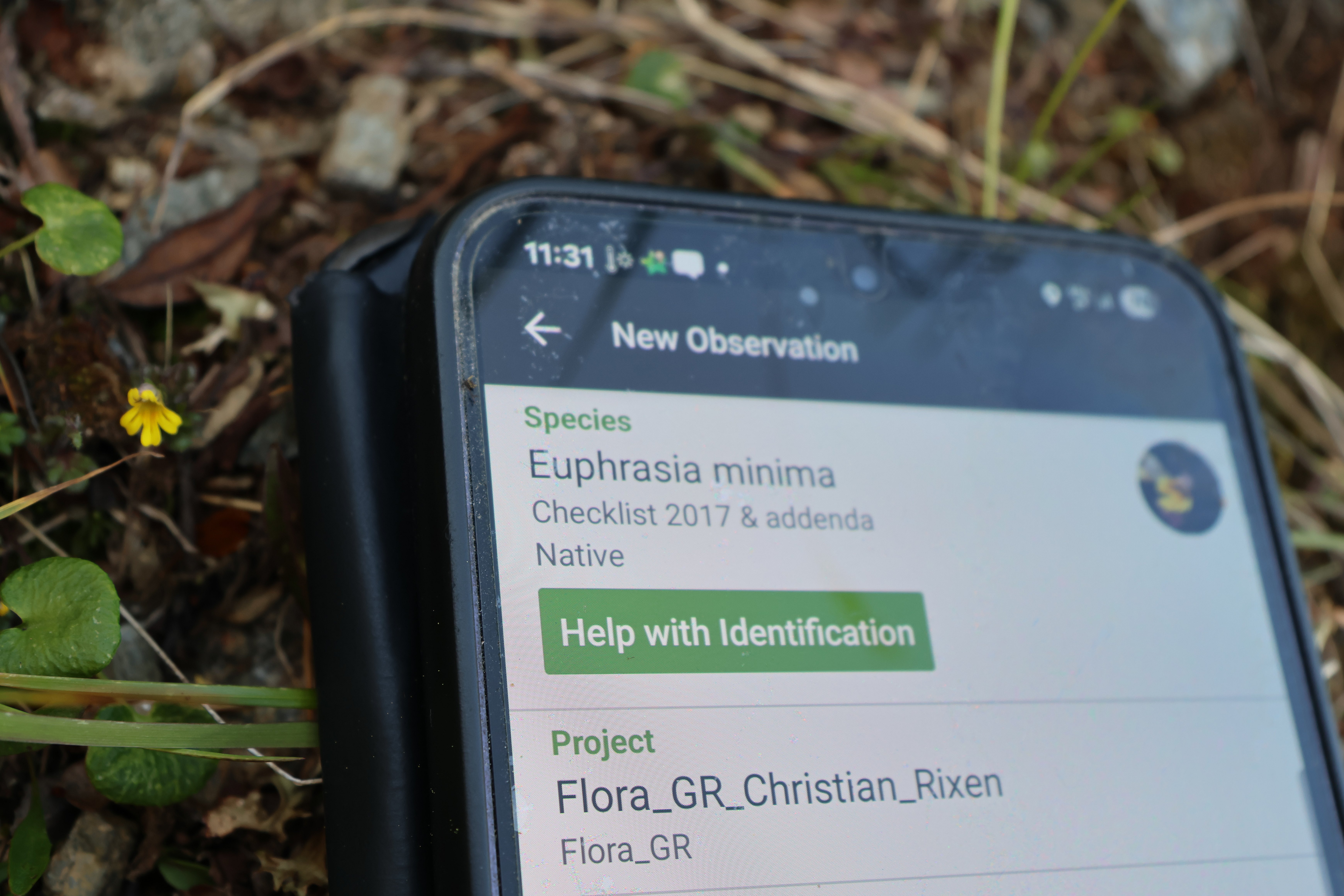
Image 6 of 7
In case of doubt, the app can help to identify plant species. Shown here is dwarf eyebright (Euphrasia minima). (Photo: Jochen Bettzieche/SLF)

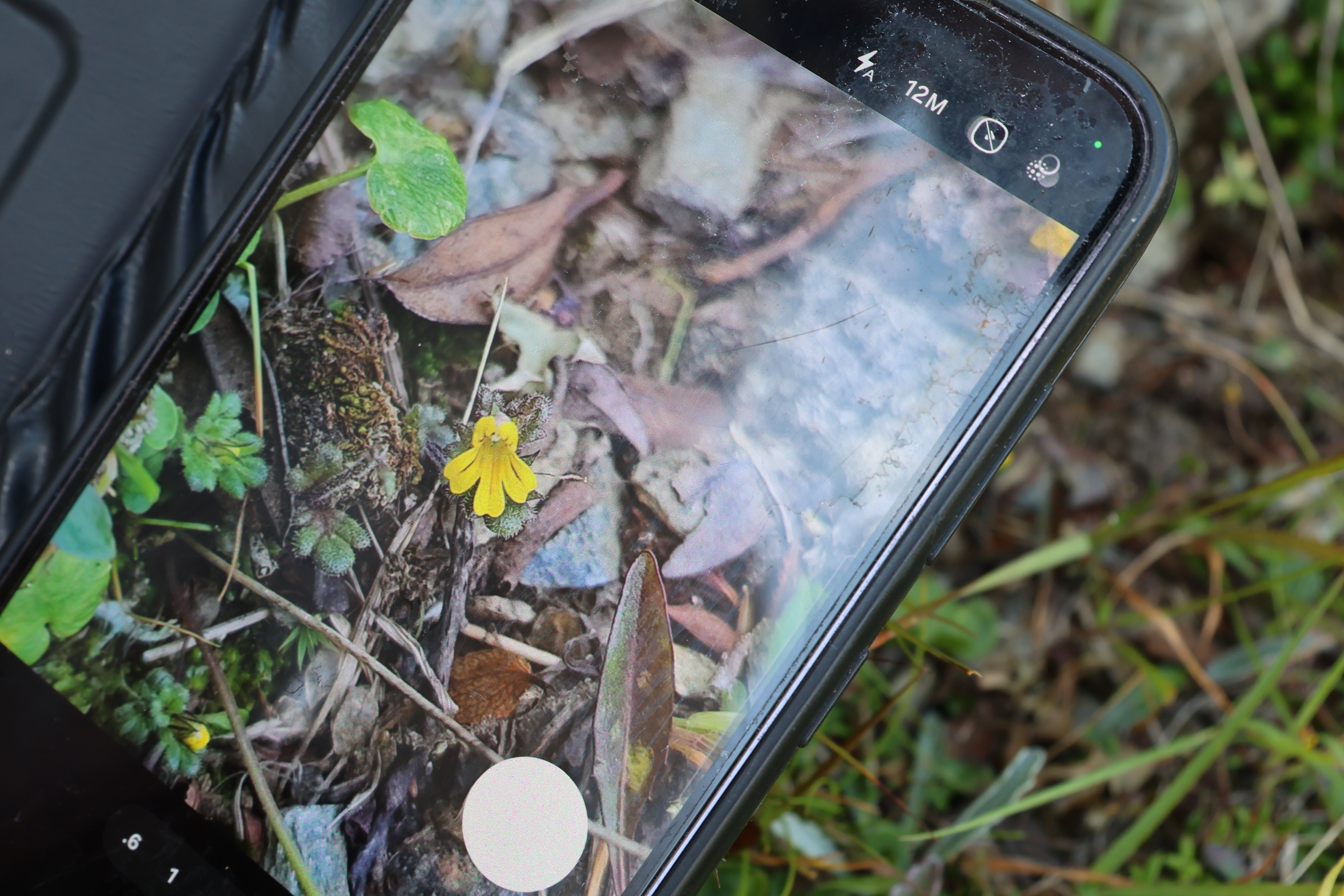
Image 7 of 7
The users can also upload photos of the plants they find. (Photo: Jochen Bettzieche/SLF)
Citizen scientists don’t need to know every plant 
Not everyone taking part in Flora Raetica has such in-depth knowledge. It is a typical citizen science project, where volunteer members of the public actively support researchers in their work. This means that anyone can take part, although some basic botanical knowledge is helpful. Citizen scientists don’t need to know every plant, however. The FloraApp from InfoFlora provides support and assistance with correctly identifying the plants. “Many people come along for a trial outing with us first, to see if they enjoy it,” says Rixen. Those who stay on become part of something bigger as Flora Raetica is part of InfoFlora, a foundation that looks at plant species across Switzerland.
Nor does everyone have to diligently survey the flash squares in their area. Besides the surveys of flash squares, there are other, less time-consuming tasks, which also make a vital contribution. All citizen scientists can choose for themselves how much effort they want to put into the project. “There are also individual missions, such as finding a rare species of strawberry on the Hohe Promenade in Davos,” says Rixen. Another task is searching for Red List species threatened with extinction.
By around 2.45 p.m., Rixen and Jansen have finished surveying their square. The botanist taps away on his smartphone: “We’re submitting our mission report now, and it’ll already be in the system tomorrow.” Last plant recorded: 2.42 p.m., Soldanella pusilla, the dwarf snowbell.
Flora Raetica explained in five key facts
- What? Flora Raetica is investigating how the flora of Graubünden has changed over the past 100 years or so.
- Why? The comparison will show which plant species are appearing for the first time, disappearing or – partly as a result of climate change – shifting to higher elevations.
- How? The plants found today are compared with botanical records from the 1930s.
- Who? Researchers work together with volunteers. In this citizen science project, interested members of the public can also record plant species.
- What is it for? The data will help to identify and better understand long-term changes in Alpine flora and biodiversity in Graubünden.
Links 
- project Flora Raetica
- FlorApp from InfoFlora
Contact 
Funding and partnerships 
The following institutions, among others, provide financial support for the Flora Raetica project (in alphabetical order):
- Ernst Göhner Stiftung
- Graubündner Kantonalbank
- Greenstyle Foundation
- Pro Natura Graubünden
- Repower AG Eco Fund
- Rübel Fonds
- Stiftung Geobotanisches Forschungsinstitut Rübel
- Stiftung zur Förderung der Pflanzenkenntnis
- Temperatio
As part of Flora Raetica, the SLF works with the following organisations, among others (in alphabetical order):
- Amt für Natur und Umwelt Graubünden
- Fundaziun Pro Terra Engiadina
- InfoFlora
- Swiss National Park
- Swiss Academy of Sciences (SCNAT)
- Unesco Biosfera Engiadina Val Müstair
Copyright 
WSL and SLF provide image and sound material free of charge for use in the context of press contributions in connection with this media release. The transfer of this material to image, sound and/or video databases and the sale of the material by third parties are not permitted.