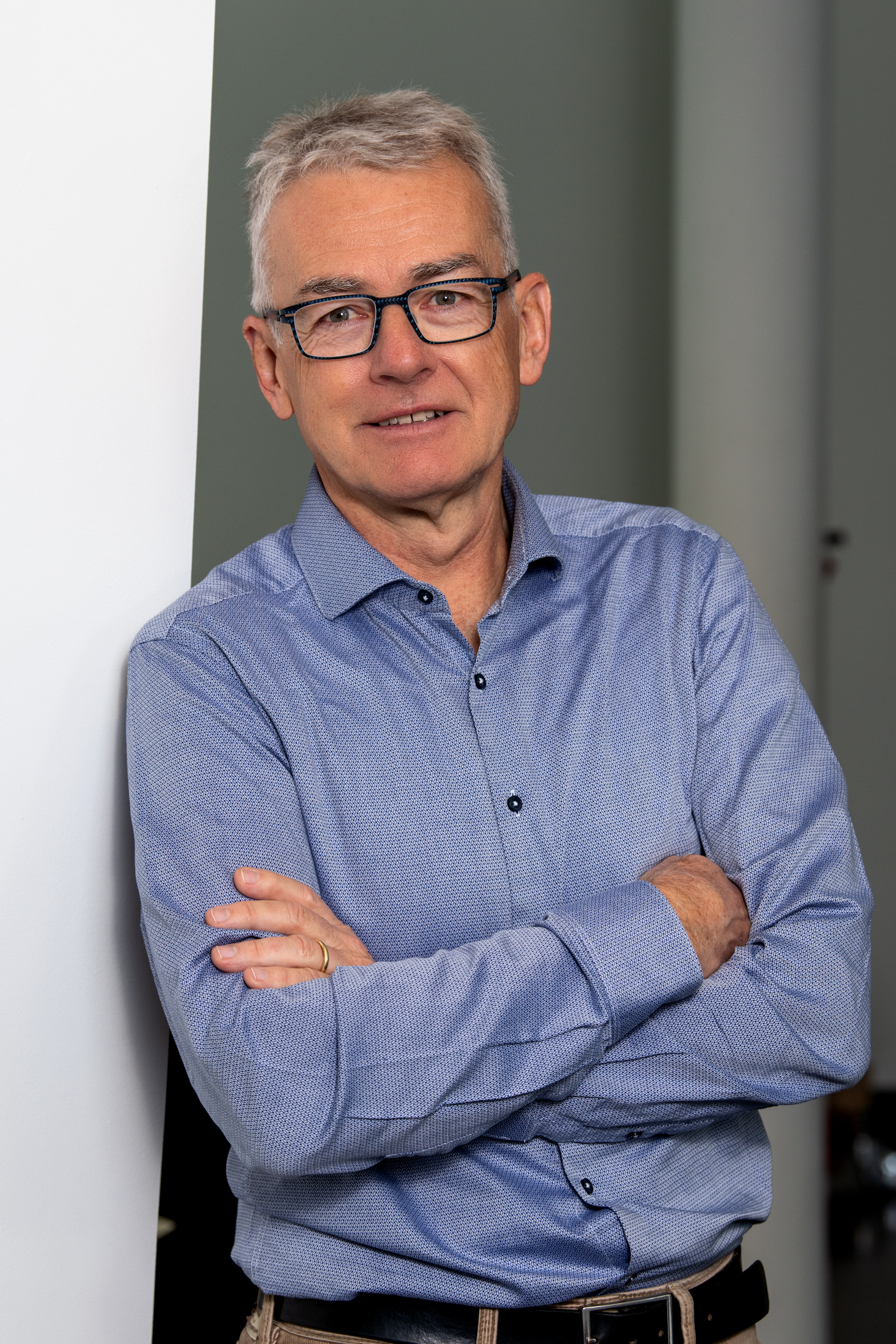
Outgoing SLF Director Jürg Schweizer has been researching snow and avalanches for 36 years. In this interview, he talks about his own experiences with avalanches, changes in avalanche research, his journey to becoming head of the SLF, and why he will stay on at the institute as a visiting scientist after his retirement.
- Career: The long-standing SLF Director can look back on 36 years of snow and avalanche research.
- Research: Avalanches, climate change and modern avalanche prevention have been the primary focus.
- Future: The snow researcher will continue working at the SLF after his retirement.
Mr Schweizer, you've worked at the SLF for 36 years and been head of the institute since 2011. Have you ever accidentally triggered an avalanche?
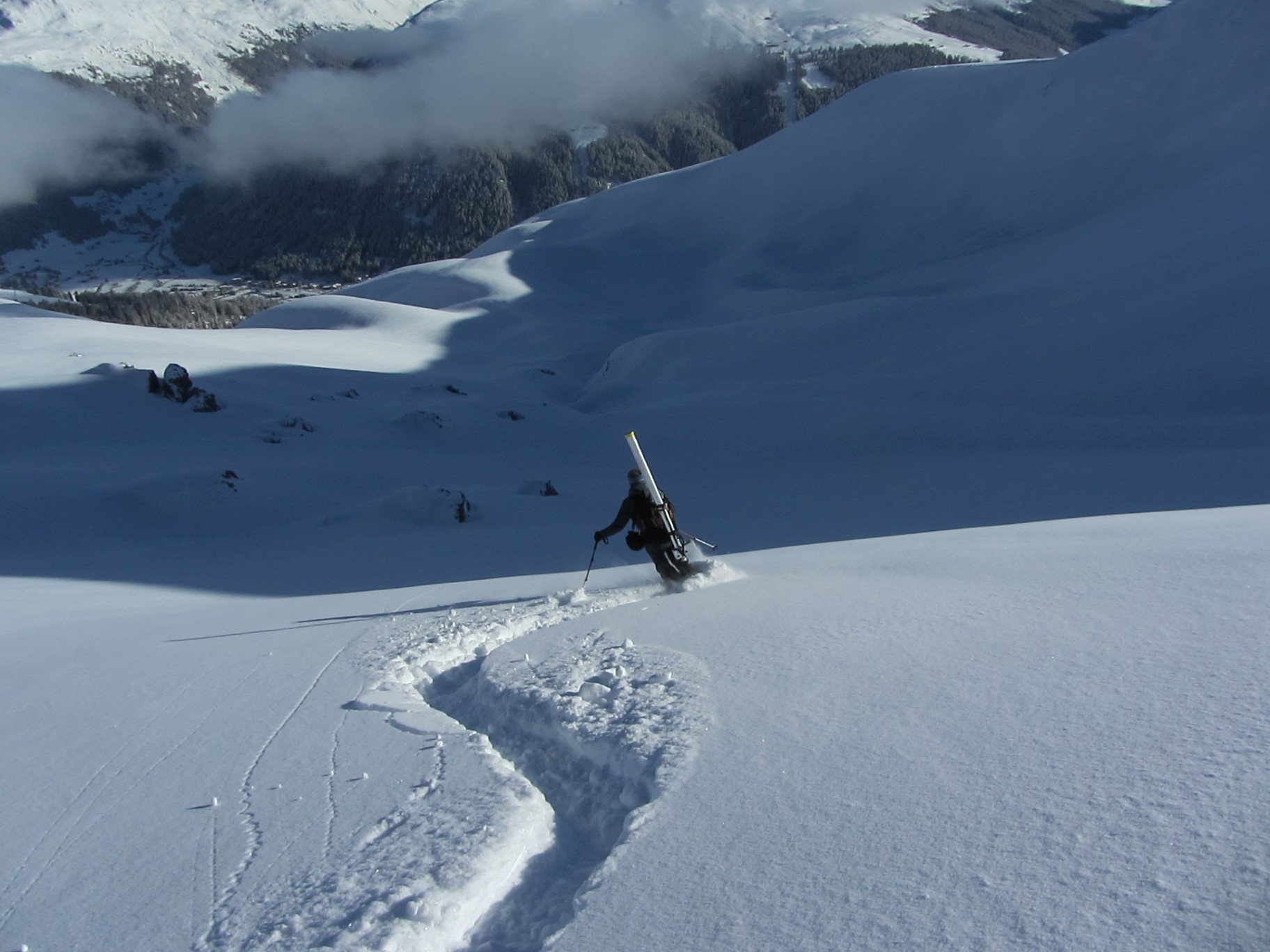
More than one. I must have set off a dozen avalanches during my time here in Davos, particularly in the first 15 years. We were on a ski tour once on the Geissweidengrat, in a flat area near the top, and didn't even realise that we'd remotely triggered a massive avalanche in the Taverna avalanche gully, around 50 to 100 metres behind us. It wasn't until we were on our way back that we realised something was missing. Luckily, no harm was done.
Can you remember your first avalanche?
I didn't trigger that one, but yes, I can. It was Easter 1987. I was a course leader with the SAC [Swiss Alpine Club] Youth Organisation, and we were at the Länta Hut near Vals in the canton of Grisons. We were all sitting outside. Suddenly there was a rumbling sound, and we ran into the building. Then the avalanche came down and buried the area around the hut.
Was anyone hurt?
Fortunately not. A girl got caught in the snow near the front door, but we managed to get her out quickly. We did a headcount three times to make sure everyone was there. It was a pretty scary time. In fact, it was that incident that led to my first official contact with the SLF.
How did that happen?
I wrote a report on the event, which the SLF then published in its winter report.
Was that a step towards snow research?
I guess so, although I didn't realise it at the time. The first proper step also came about rather by chance. Originally, I'd planned to go to Seattle as a postdoc after completing my PhD. I'd already got most of the arrangements sorted. Then, in the summer of 1989, the SLF advertised a vacancy. I applied on the spur of the moment and was actually offered the job. The then Director, Claude Jaccard, welcomed me into the 'national team of snow researchers'. I started working in Davos on 1 February 1990. It wasn't something I'd planned. Like so much else in my career, it just happened to work out. I hadn't even studied snow physics or anything like that.
What did you study?
I trained as an environmental physicist and glaciologist. But it's not really that big a leap from ice to snow: they're both frozen water. Also, the SLF was unable to recruit qualified staff because there were virtually none around at the time.
Why was that?
When I started, there weren't yet any PhD students at the SLF. The first of these only arrived in the 1990s. After that, the number of staff also increased.
Did you find the new subject area very challenging?
Yes and no. Some of my tasks weren't all that different from my previous work. I'd been simulating the movement of glaciers, and I was able to apply the same mechanics to snow, for example to work out the forces exerted by a skier on the snowpack. But apart from that, I didn't really have a clue about snow and avalanches – other than what you learn as a tour guide.
Well, that's certainly changed. Now, 36 years on and nearing retirement, you have a long list of academic publications.
Indeed. I've always enjoyed writing. It's only when you write something down that you realise whether you've really understood it. I love the process of wrestling with words to express exactly what you want to say. Thanks to collaborations and working with PhD students, quite a lot has been achieved over the years. And I'm happy to carry on for a bit longer. I've been appointed as a visiting scientist for the next two years, and I'd still like to write two more academic papers and wrap up a few projects that have been on hold.
Two more? You've already got 157 to your name, which makes you the number one in snow and avalanche research.
That's right, and hopefully not just in terms of quantity. As a joke for my retirement, a colleague calculated that all the pages placed one on top of the other would reach a height of 426 metres. He also totted up the snow profiles that I've dug during my time at the SLF.
What figure did he arrive at?
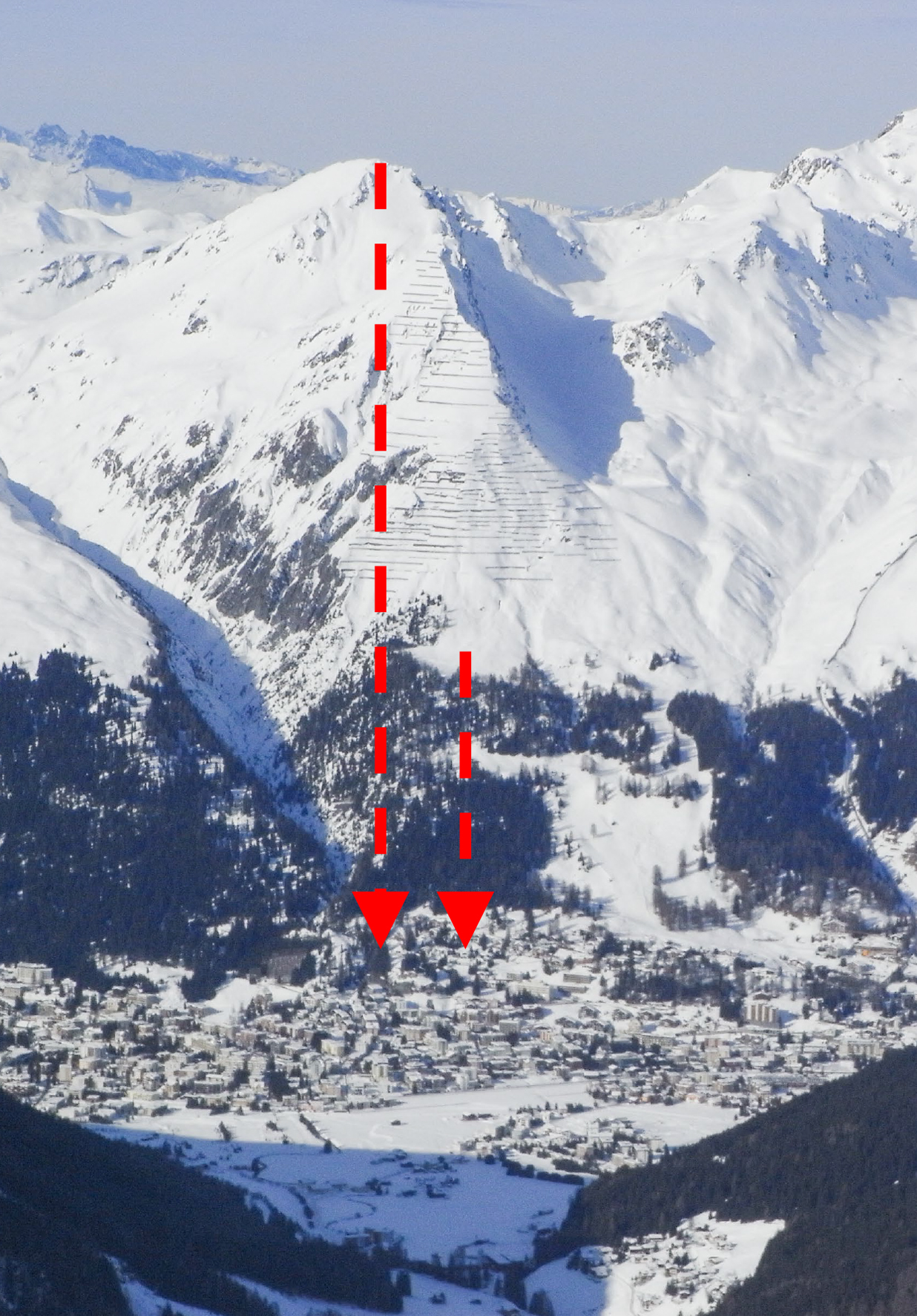
He made it 897, with a total depth of 1,192 metres. That's roughly the same as the difference in elevation from the summit of the Schiahorn down to Davos. He said I could improve the snow-profile-to-publication ratio even further. That's what I'm doing now [laughing].
Apart from snow itself, what's been the main focus of your work?
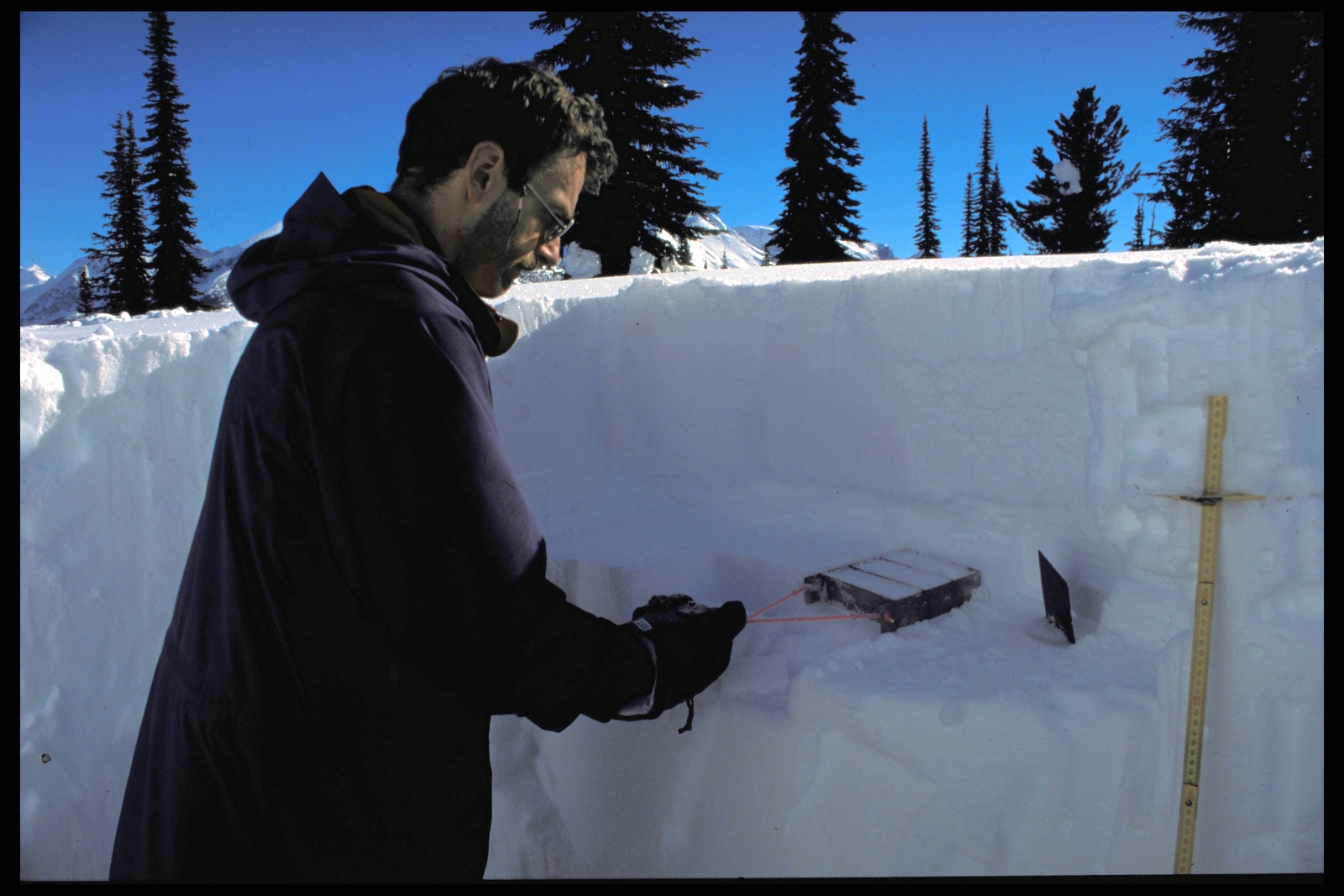
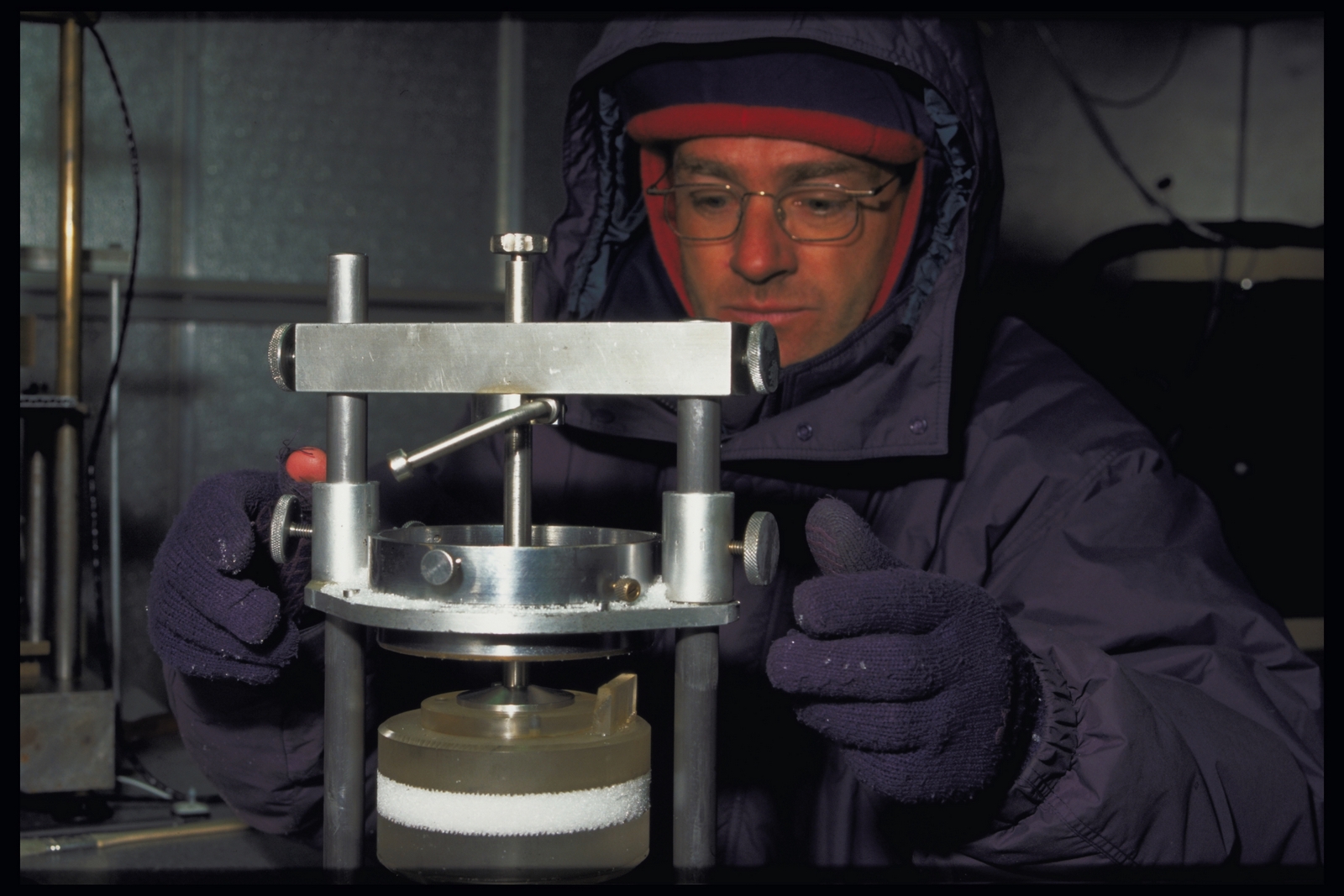
The focus has shifted several times over the years. Initially, it was on avalanche forecasting and mechanics; later, it moved to the structure of the snowpack and its variability, and to fracture mechanics and the formation of dry and wet avalanches. In recent years, the emphasis has been on climate change and on avalanche forecasting again, this time using machine learning.
Has there been a highlight among your research findings?
Hard to say. Not really. The progress made over the past few decades has been truly remarkable, but there hasn't been one standout event. It's been more of a gradual process, with small steps along the way. I'm more of a steady, persistent hard worker than a creative type. It's only when you look back that you realise, oh, quite a lot has happened actually. A lot of it's simply hard graft, in the truest sense of the word.
Meaning?
We've been to investigate a lot of avalanches, taken profiles, examined what they look like and collected data. We've tracked the development of the snowpack. At one point, such data collection was frowned upon. Nowadays, this data is extremely important – for model development using AI, for example. So, while I do have a personal highlight, it isn't a research finding.
What is it?
I went to Canada to do research in 1995/96. Looking back, that’s the best thing I've done in my career. I made a lot of contacts at that time, including in the US – people I'm still in touch with today. They were also crucial for bringing the ISSW – the International Snow Science Workshop – to Europe for the first time in 2009, to Davos, of course. That was undoubtedly a highlight as well.
As a snow researcher, what did you actually get up to in the summer?
I worked then too, raising funds and writing. Take the avalanche book, for example – we wrote that over the course of a summer. At the SLF, we don't just conduct research; we also support practical applications. I coordinated the first edition of the Caution Avalanches! leaflet in 1996. We're now onto the eighth version. Some things don't change; they just get better.
Over time, you also took on management responsibilities.
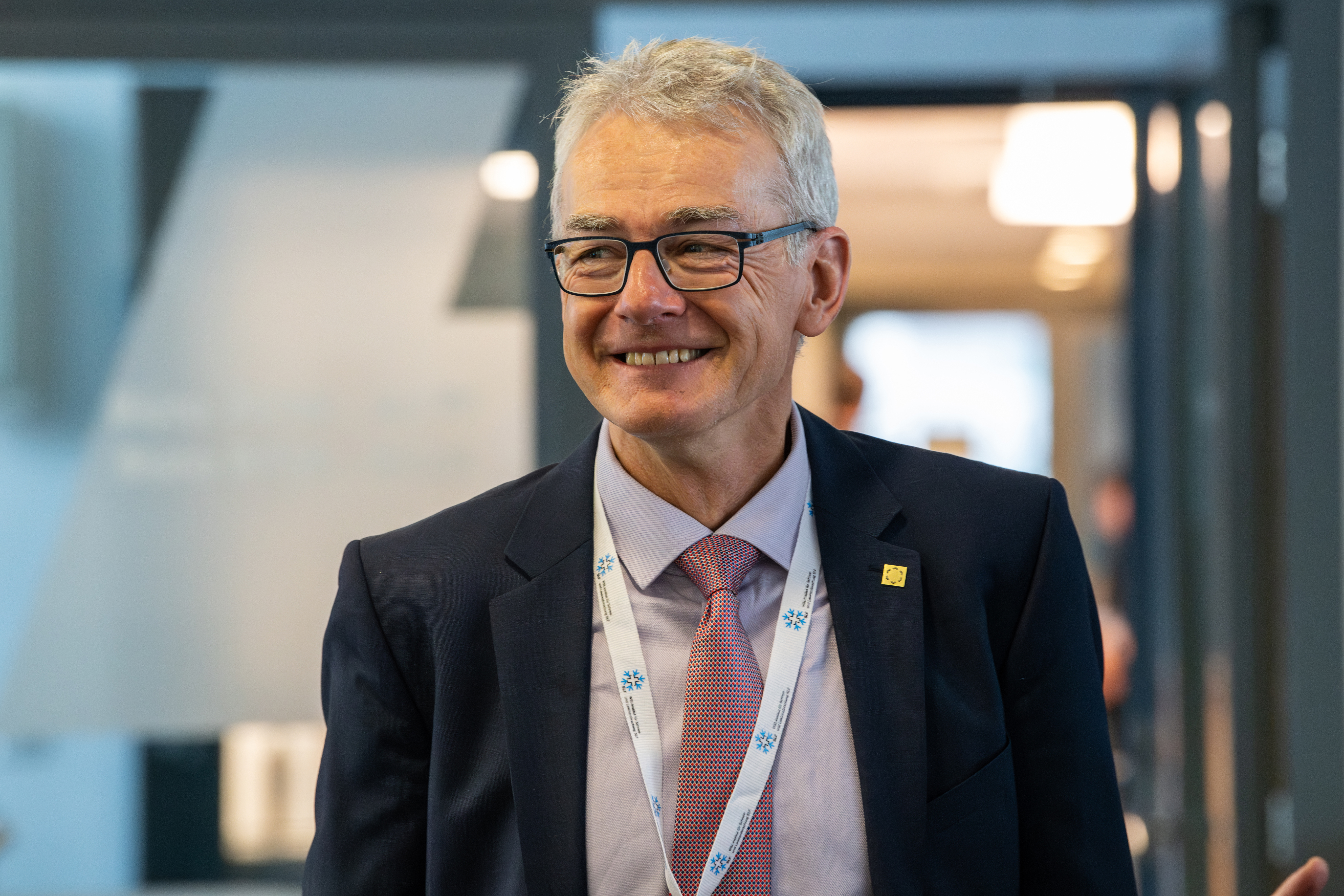
Indeed, relatively late – not until 2006, as part of the major reorganisation. We all had to reapply for our jobs, and new groups were created, including one called Formation of Alpine Natural Hazards, which I was given the opportunity to set up and lead.
Just five years later, you were head of the SLF.
Once again, I happened to be in the right place at the right time. In 2010, the head of the institute, Jakob Rhyner, asked me if I'd like to join him for lunch. Shortly afterwards, he left the SLF and moved to Bonn. I then applied and got the job. In May 2011, I became head of the Snow Avalanches and Prevention research unit and head of the SLF and so also a member of the WSL Directorate.
Was that a big change?
It was definitely a long learning process. I was travelling more often to WSL's headquarters in Birmensdorf, and spending a lot of time there. That also gave me a real insight into other areas of research. My horizons broadened, and I brought back a few ideas for the SLF to Davos. But the expectations were high, and so was the pressure. Up here in Davos, I'm lucky enough to have nature right on my doorstep. Skiing and mountain tours helped keep me on an even keel and gave me a chance to reflect. But there were quite a few things I had to get used to in my new role.
For example?
I'm someone who's really focused on efficiency. Suddenly I had to attend official functions, where that isn't the main concern. I often found myself wondering in the evenings whether the time I'd invested had been worth it. Did those two minutes of small talk achieve anything, or not? But it is, and will remain, important to give research a human face – and unabashedly proclaim the world-leading status of the Davos research institutes. I hope that the CERC research centre demonstrates just how important that aspect really is.
Could you elaborate?
My two predecessors wanted to establish the SLF as a centre of expertise for other natural hazards, not just avalanches. I thought that was a waste of time, especially as I wasn't really a salesperson; I felt we should focus on our core business.
What changed your mind?
The Canton of Grisons had an innovation strategy initiative. The aim was to establish two flagship centres in Davos: broadly speaking, one that focused on physics (SLF/PMOD) and the other on medicine (AO/SIAF). Time passed, and nothing happened. In January 2019, we finally sat down with two members of the cantonal council and the ETH President. The cantonal council wanted us to put up a CHF 20 million building in the Wolfgang Pass. I said that would be nice, but what we actually lacked funds for, generally speaking, wasn't construction but research. That wasn't exactly the answer the councillors were expecting. We then put together a proposal. In the end, the Canton agreed to provide CHF 2 million annually for 12 years, and ETH established two joint professorships. On the one hand, it was another one of those 'right place at the right time' moments. On the other hand, building trust in the SLF over the previous years had certainly paid off. That doesn't happen by itself, nor does it depend on any one person. Ultimately, all our colleagues contribute to this by delivering excellent service to our customers. And yes, looking back, that small talk may well have been worth it after all.
After more than 15 years, you're stepping down from your management roles at the SLF and retiring, but you'll be staying on at the institute for the time being as a visiting scientist. What will you be doing?
I've always really enjoyed analysing data. That's been neglected in recent years, partly because of my managerial responsibilities. I've actually missed that a bit, and there are now a few pieces of analytical work I'd like to get on with. I've always tried to do things that give me pleasure. It's important to have some fun. I feel privileged that my work has enabled me to do that.
What other plans do you have for the future?
I've never had a grand plan, and I'm confident it will work out fine this time too, even without a plan. I'll just see how things go.
Jürg Schweizer: key research career milestones
- 1985: Degree in environmental physics, ETH Zurich
- 1985–1989: Research Assistant at the Laboratory of Hydraulics, Hydrology and Glaciology (VAW), ETH Zurich
- 1986–1989: Teaching Assistant in physics at Kantonsschule Frauenfeld, Switzerland
- 1989: Dr. sc. nat. (PhD in Glaciology), ETH Zurich
- Since February 1990: Research Scientist at the SLF
- 1995–1996: Canada International Research Fellow (NSERC) at the Department of Civil Engineering, University of Calgary, Canada
- 2006–2011: Head of the Formation of Alpine Natural Hazards Research Group, SLF
- Since 2008: Lecturer at ETH Zurich
- Since March 2011: Head of the Snow Avalanches and Prevention Research Unit, SLF
- Since May 2011: Head of the SLF, member of the WSL Directorate
- Since September 2019: Adjunct Professor at ETH Zurich
Links 
- More information about Jürg Schweizer
- Caution Avalanches!
- CERC
Contact 
Copyright 
WSL and SLF provide image and sound material free of charge for use in the context of press contributions in connection with this media release. The transfer of this material to image, sound and/or video databases and the sale of the material by third parties are not permitted.