

12.03.2026 | Jochen Bettzieche | SLF News
At the Weissfluhjoch test site near Davos, the WSL Institute for Snow and Avalanche Research SLF has been measuring the snowpack daily since autumn 1936. Collected by the 'Jochdienst' using traditional methods and state-of-the-art measurement technology, this unique long-term snow data series provides vital information for climate research, avalanche warnings and flood forecasts.
- Unique snow measurement series: For almost 90 years, the SLF has been recording detailed snow data daily at the Weissfluhjoch test site, creating a globally renowned long-term data series.
- Knowledge benefiting safety and climate: The data provides a basis for climate research, flood forecasts and avalanche warnings.
- A dedicated 'Jochdienst': Doctoral students work in shifts to collect data continuously using tried-and-tested and modern methods.
December in the Parsenn ski resort near Davos. In glorious sunshine, a group of skiers zigzag their way down the slope towards the middle station. Nothing unusual in that, you might think. But all of a sudden the group leaves the piste and heads off into open country. After a few metres, they reach the SLF's Weissfluhjoch test site. Researchers have been collecting snow data here since autumn 1936, including the structure of the snowpack, its water content and depth. In winter, this is done every day, early in the morning, whatever the weather, and in summer whenever there is snow on the ground – a total of eight months a year.
The resulting decades-long measurement series at this elevation is unique. As well as being available to snow researchers from around the globe, the data is used at the SLF in numerous projects, ranging from climate research to snow climatology, flood forecasting to avalanche warnings.
The team responsible is known as the 'Jochdienst' (Joch service). It is made up of 20 to 25 SLF doctoral students, who work in weekly shifts. On this December day, they are being given their annual induction.
Sensitivity and a good eye 
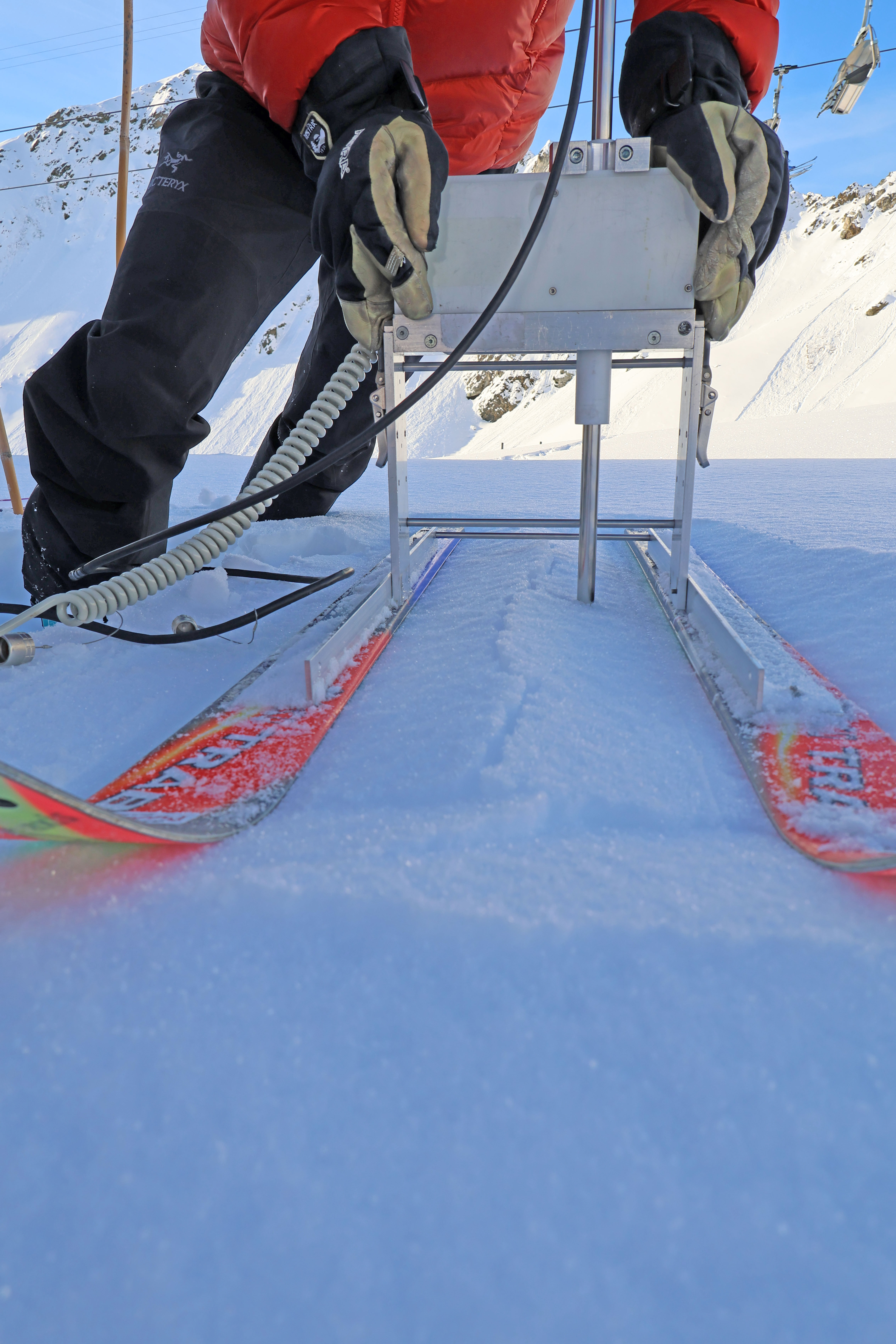
Some methods were already being used by scientists in the first half of the 20th century. This ensures that data can be compared and trends identified without having to recalculate old results. Other techniques and equipment have been added over time, such as the SnowMicroPen (SMP), developed in-house at the SLF.
"This allows us to find out details about the layers in the snowpack," explains SLF technical staff member Matthias Jaggi. "Please handle it carefully." Repairing the SMP could easily cost several thousand Swiss francs. Today, everyone is allowed to try out the device once away from the test site.
Sensitivity is the order of the day here, whereas measuring the depth of the snowpack requires a good eye. From several metres away, the doctoral students take a reading from markings on a pole in the snow. Next step: what does the top layer of snow look like? "Today we have surface hoar on a crust several centimetres thick," says avalanche warning officer Jürg Trachsel. Observing and reporting surface hoar is very important for avalanche warnings. "As soon as the hoar gets covered in snow, it becomes a weak layer in which avalanches can easily be triggered," he explains.
What the Jochdienst means to me… 

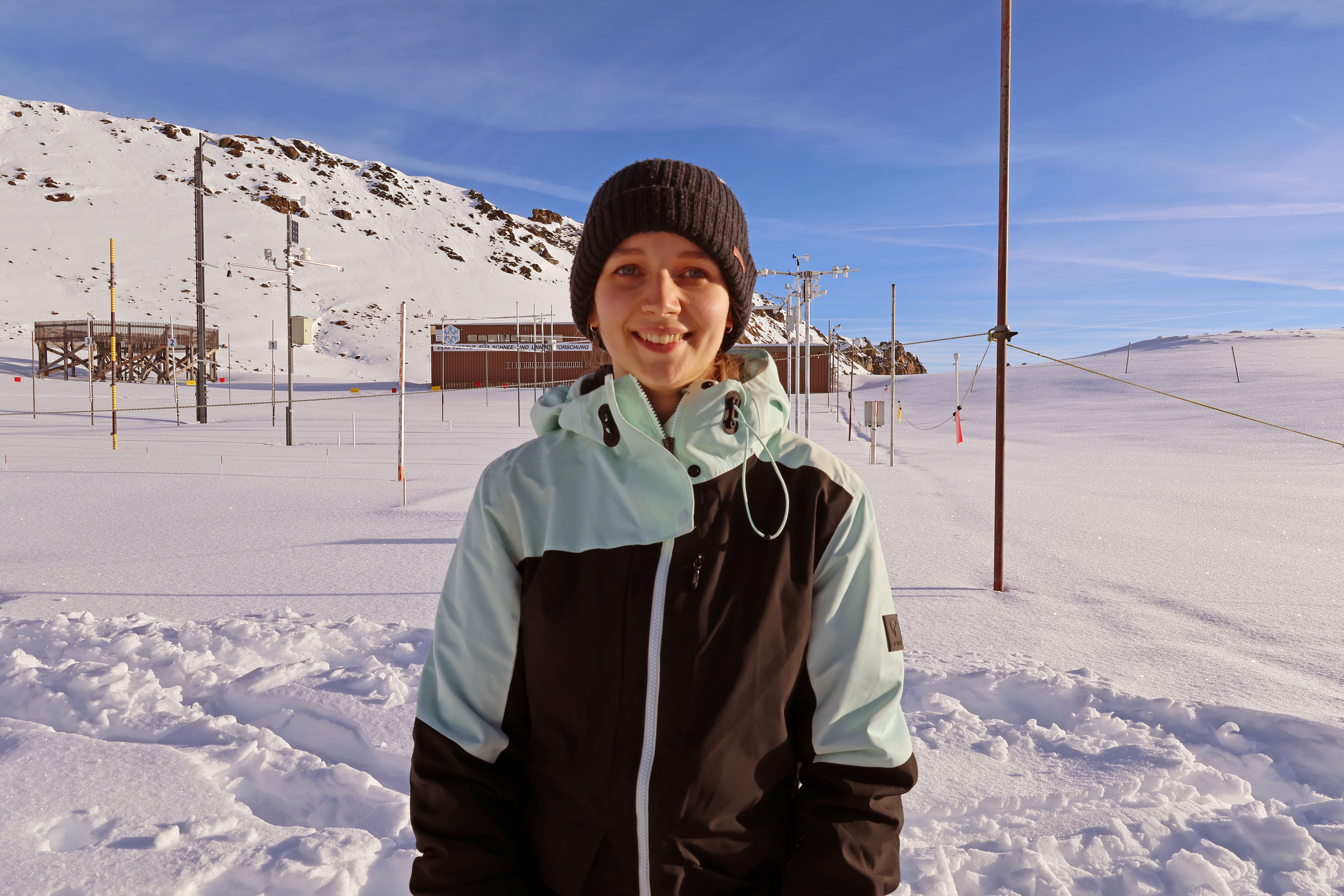
Image 1 of 4
For me, the Jochdienst means being part of something bigger than just my own work. Mel Fülster, doctoral student in the Snow Processes Research Group (photo: Jochen Bettzieche / SLF)

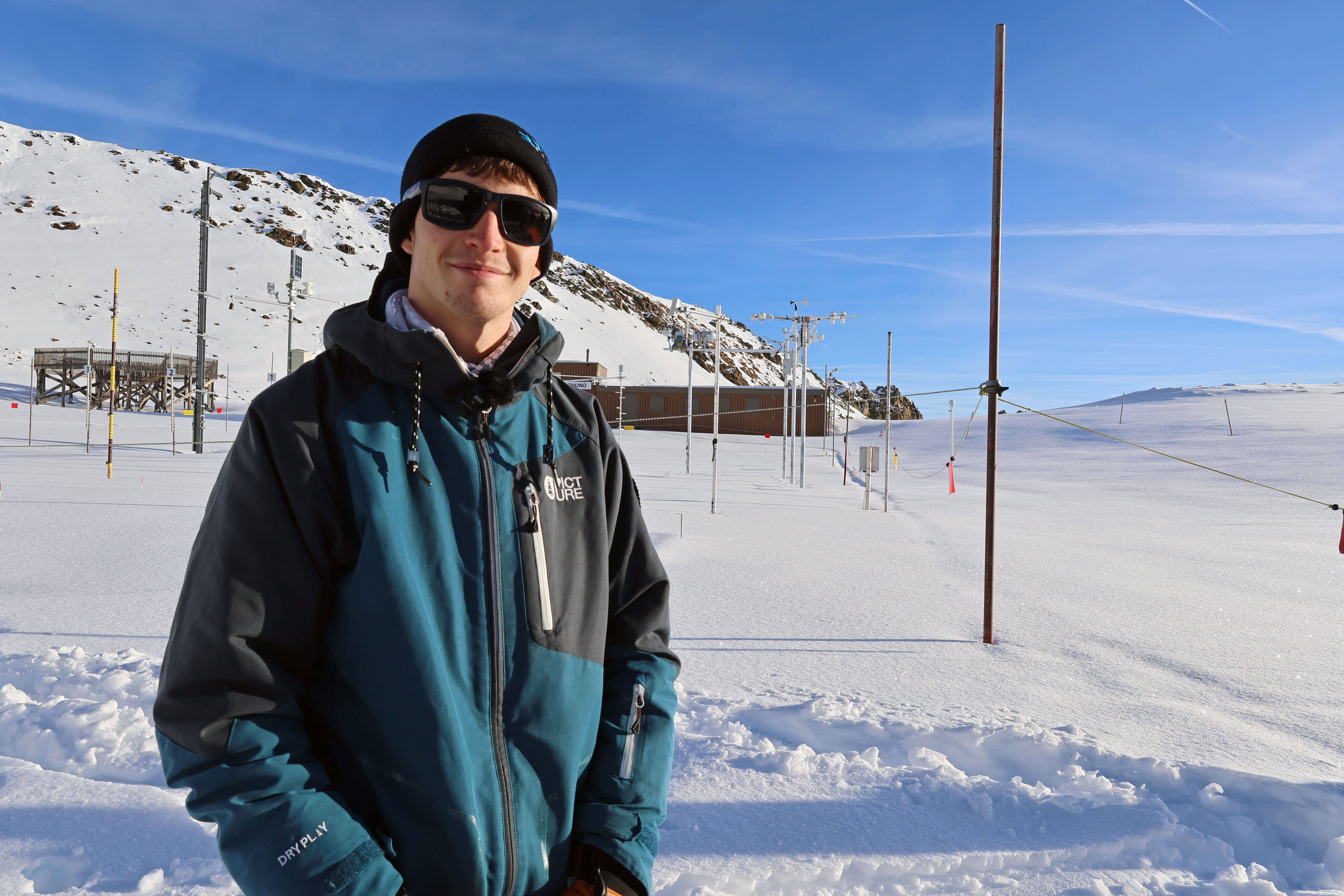
Image 2 of 4
For me, the Jochdienst is a chance to be outdoors and see something a bit different, and not have to drive to the SLF every day. It's also so rewarding to be involved in the development of such a long measurement series, which is legendary in the snow science world. Corentin Chartier-Rescan, PhD student, Research Group Hydrology and Climate Impacts in Mountain Regions (Photo: Jochen Bettzieche / SLF)

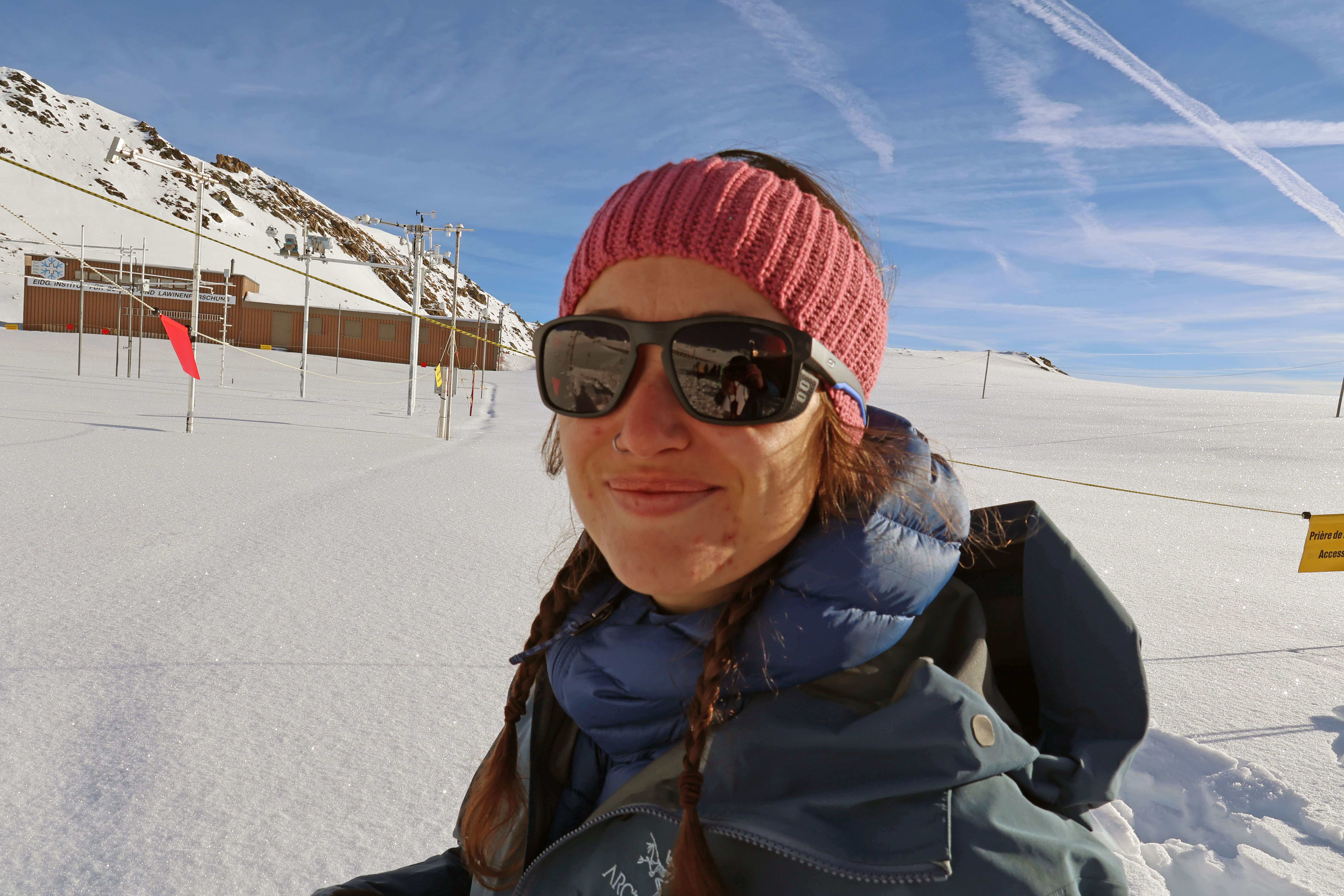
Image 3 of 4
For me, the Jochdienst is above all the privilege of being able to study snow not only on my computer in the office but also where the changes and metamorphism are actually happening, and especially to be part of a time series that's so important for climate change research. Francesca Carletti, PhD student, Snow Processes Research Group (Photo: Jochen Bettzieche / SLF)

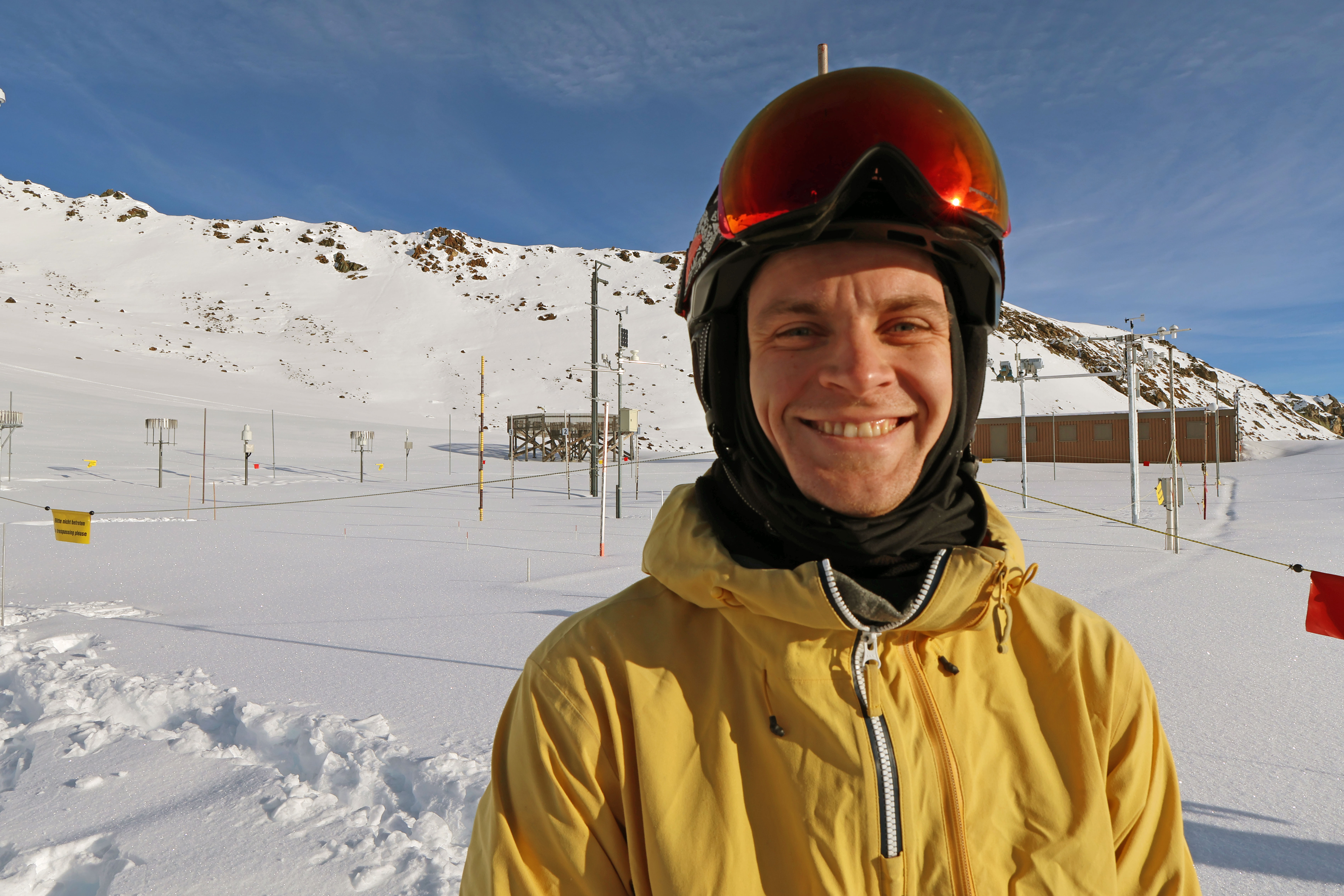
Image 4 of 4
For me, Jochdienst means to be a part of a bigger data series and contribute to experimental work, and it also has the great benefit of being out in the nature and seeing the morning sunrise and really get to work with snow. Well, otherwise I work with numerical models on the computer. It's very nice to get outside in the morning and feel the snow. Mikkel Metzsch Jensen, doctoral student, Alpine Mass Movements Research Group (photo: Jochen Bettzieche / SLF)
Snow on the scales 
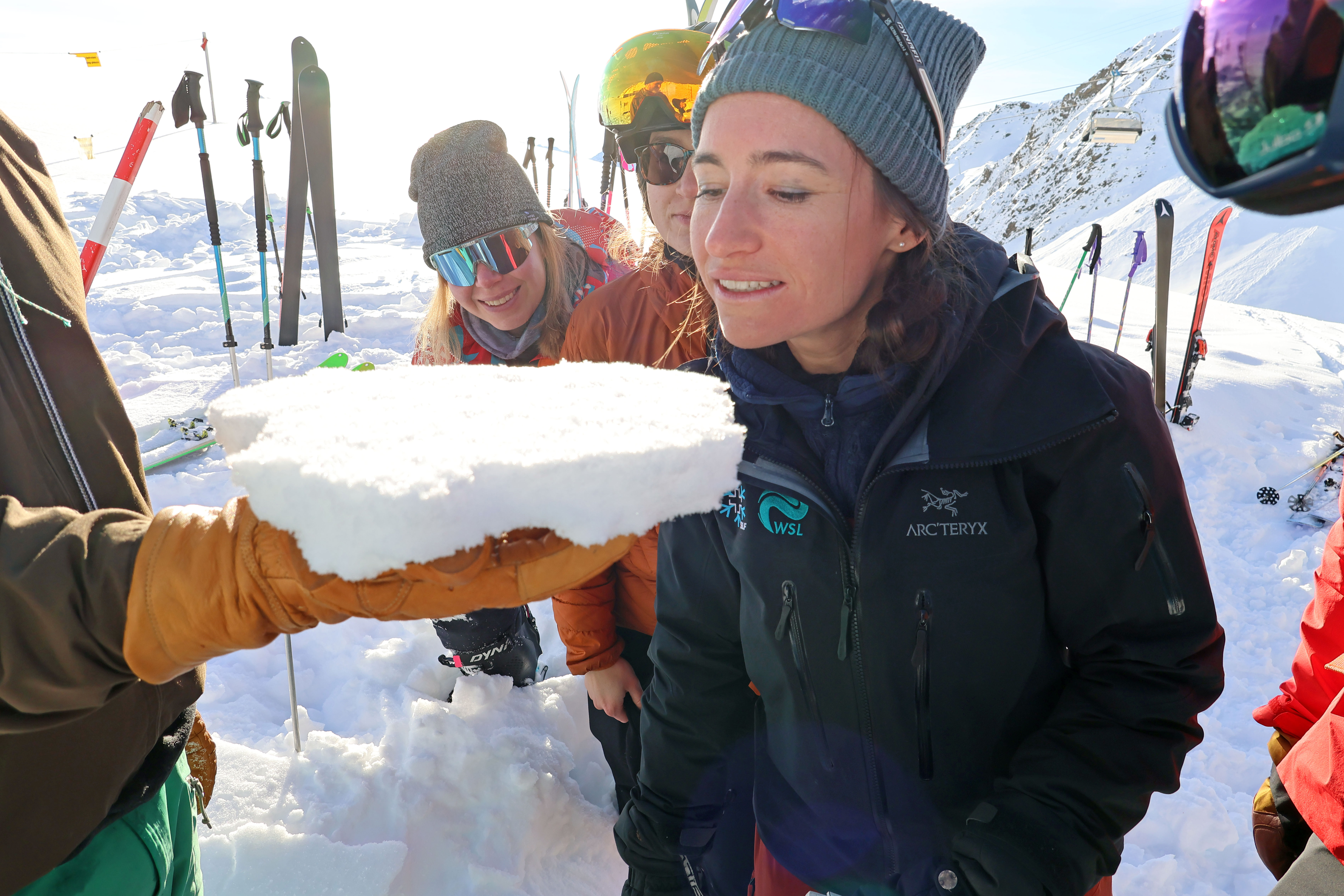
Trachsel was himself a member of the Jochdienst during his time as a doctoral student at the SLF. "Back then, we stayed overnight in the former institute building on the Weissfluhjoch. It was really cool, seeing the sun rise early in the morning when no one else was up yet," he recalls.
But those days are over. For years now, Jochdienst members have made their way up from the valley each day. In winter, they can take the train used by the mountain railway staff, before the tourists are up and about. In the off-season, they walk up, use snowshoes or touring skis or ride the institute's e-bike. "But the bike isn't suitable for all weather conditions. I got stuck in the mud while riding downhill and had to carry it down the mountain," says Julia Miller, who is already in her third season of Jochdienst and is refreshing her skills.
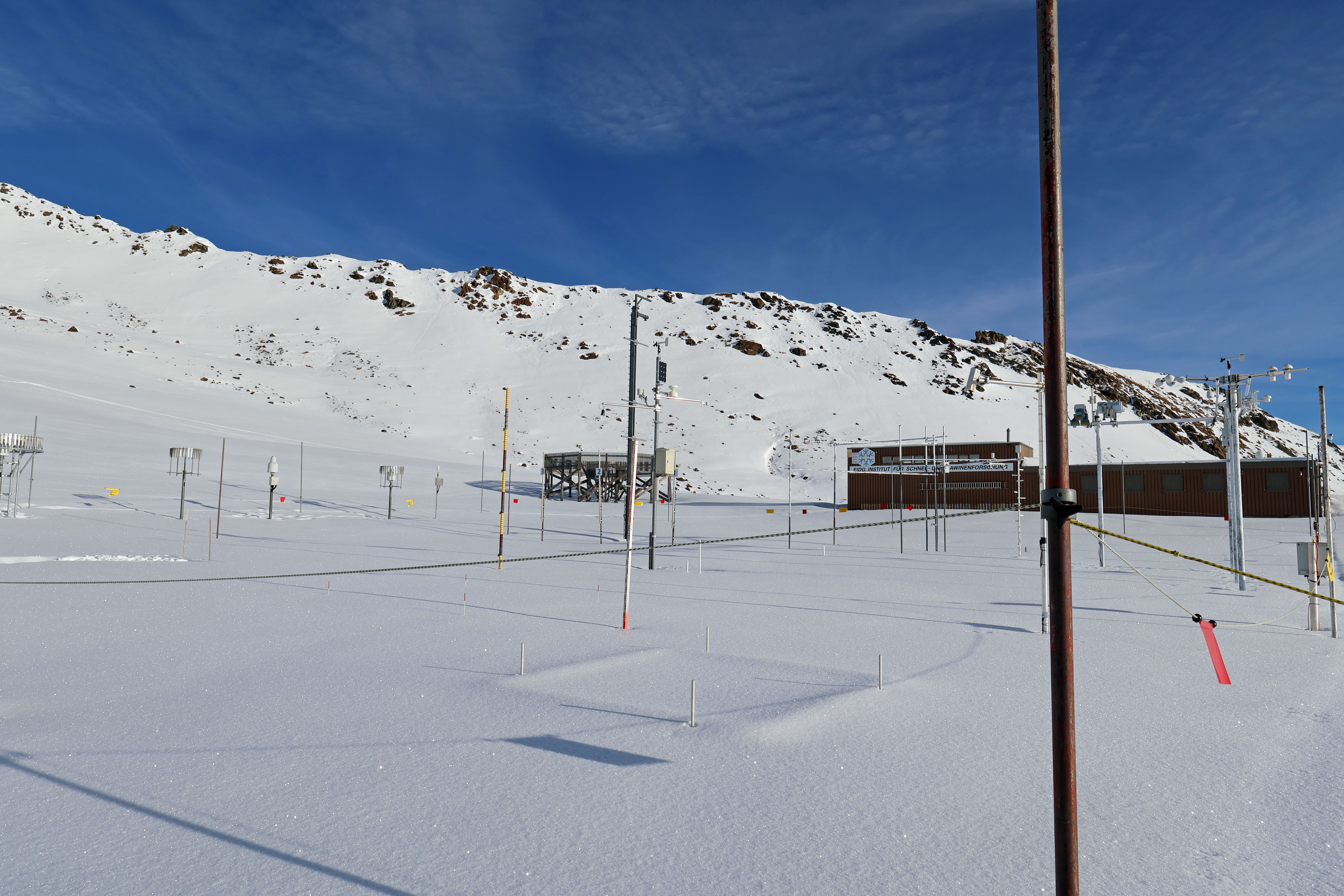
After that, it's time for the team members to unleash their inner child. SLF researcher Julia Glaus demonstrates how the Jochdienst cuts out fresh snow using a large, round mould. She takes it to a small hut next to the test site and places it on weighing scales. The researchers calculate the snow water equivalent (SWE) based on the mass (see box).
The hut also houses the computer in which the doctoral students enter their measurements. These are then immediately available to all scientists on the SLF computer network and, in some cases, to the public.
It is now late morning. The doctoral students have completed their training – time to head back down to the office.
What is... snow water equivalent (SWE)?
A snowpack consists of numerous layers of more or less compressed (dense) snow. The snow water equivalent indicates how high a layer of water would be after the snowpack has melted, expressed in millimetres. Each millimetre corresponds to one litre of water per square metre of snowpack. One centimetre of fresh snow with a typical density of one hundred kilograms per cubic metre results in one millimetre of water. An example: in mid-April 2024, the average density of the snowpack at the Weissfluhjoch test site was 416 kilograms per cubic metre, which for a snow depth of 2.7 metres corresponds to a water equivalent of around 1,100 millimetres or 1,100 litres of water per square metre.
Links 
- Weissfluhjoch test site
- SnowMicroPen
- current measurement data from the Weissfluhjoch test site
Contact 
Media Office SLF
- E-Mail: medien(at)slf.ch
- Tel. +41 81 417 01 90
Copyright 
WSL and SLF provide image and sound material free of charge for use in the context of press contributions in connection with this media release. The transfer of this material to image, sound and/or video databases and the sale of the material by third parties are not permitted.