

13.02.2026 | Pia Ruttner | SLF News
SLF PhD student Pia Ruttner spent six months in the Westfjords of Iceland, observing avalanches with a laser scanner. In her logbook blog, she recounts her incomplete collection of memories and learnings.
I got the chance to spend 6 months with the avalanche and landslide research group of Iceland, which is part of the Icelandic Meteorological Office and located in Ísafjörður, in the Westfjords. If you are working with wind drifted snow, avalanches and road safety, this is the place to be.
There is no question where the avalanche paths are, the question is rather which one is coming. With the flat mountain tops, wind direction and wind speed are the most important parameters in the assessment of avalanche danger.
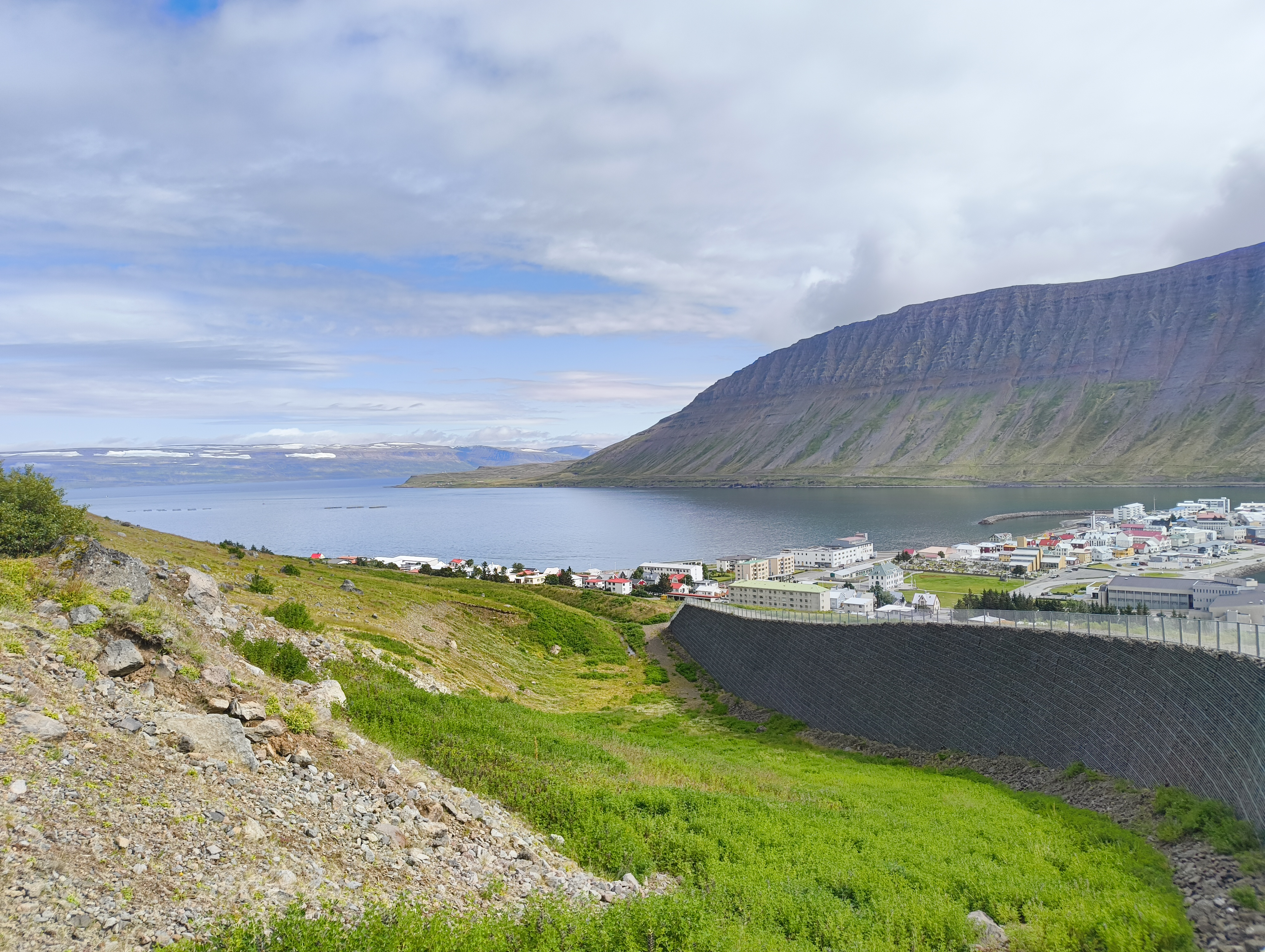
Although you know you will miss daylight and the sun in winter, during the summer months you sometimes wish for at least some hours of proper night.
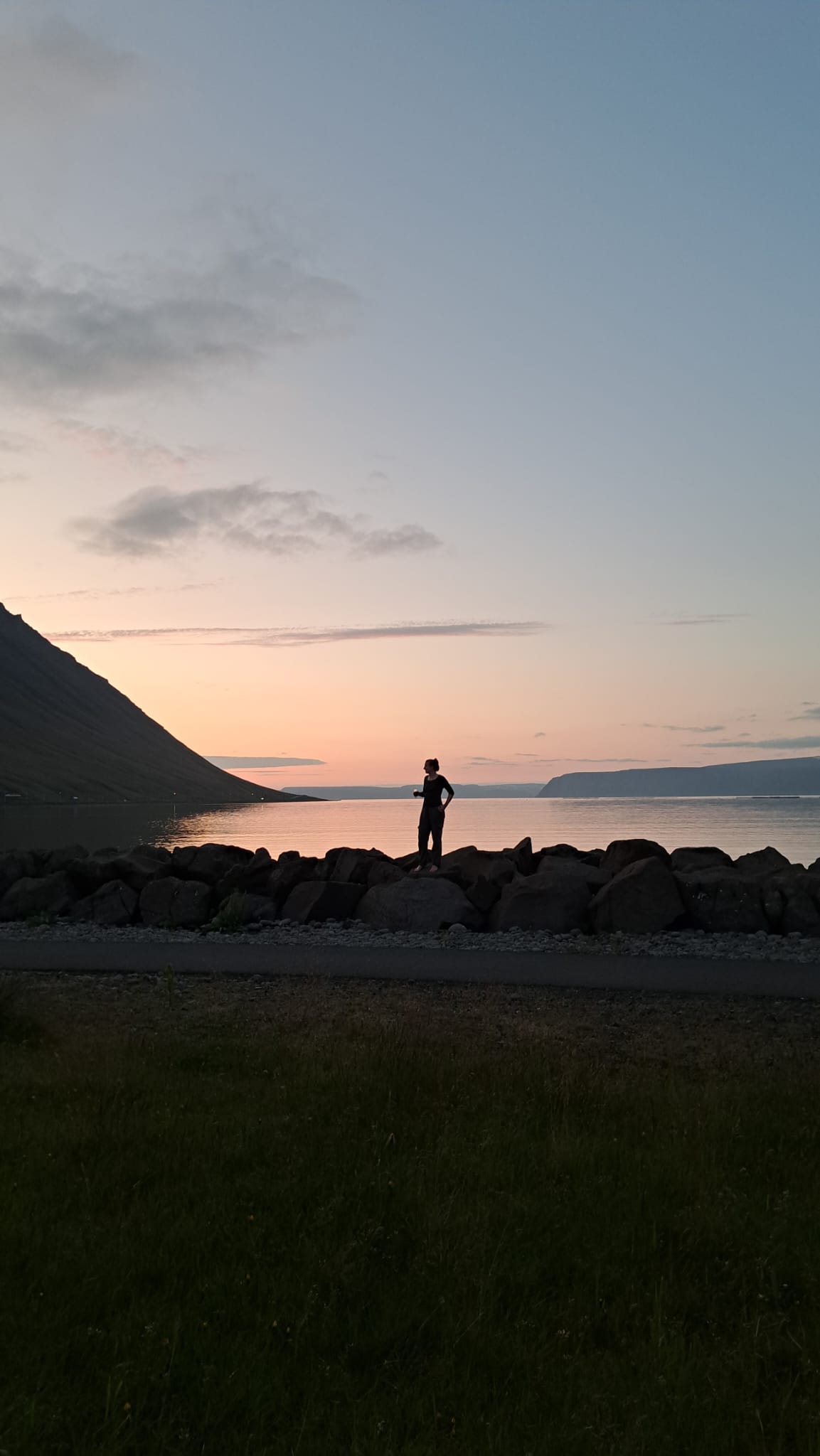
Summer and autumn are for fieldwork, for example updating sensors of snow measurement stations.
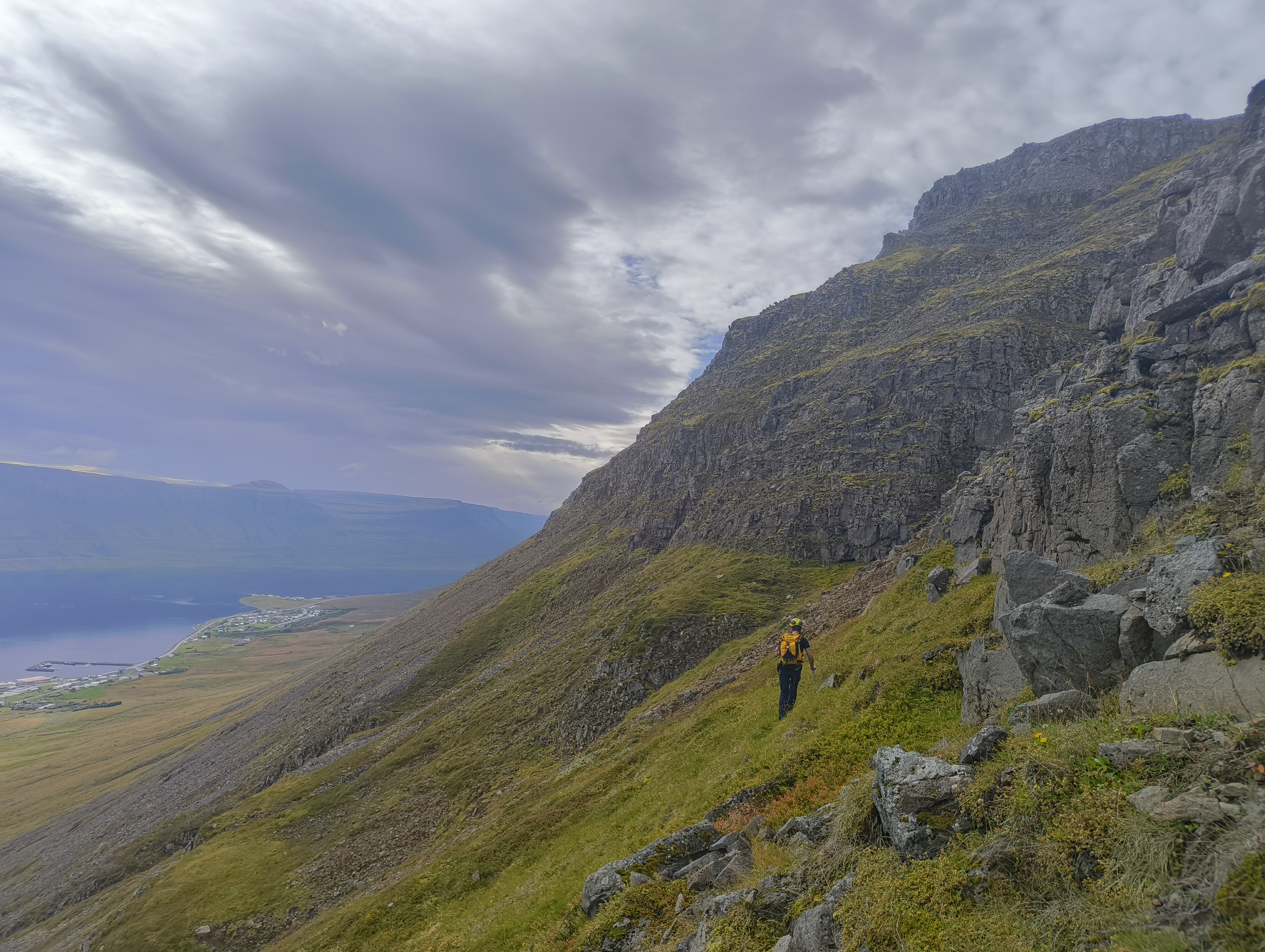
There is a reason why most tourists travel the south coast of Iceland, the nature is incredible.

Image 1 of 3
Blocks of ice at the beach of Jökulsárlón, also called Diamond Beach. (Photo: Pia Ruttner)

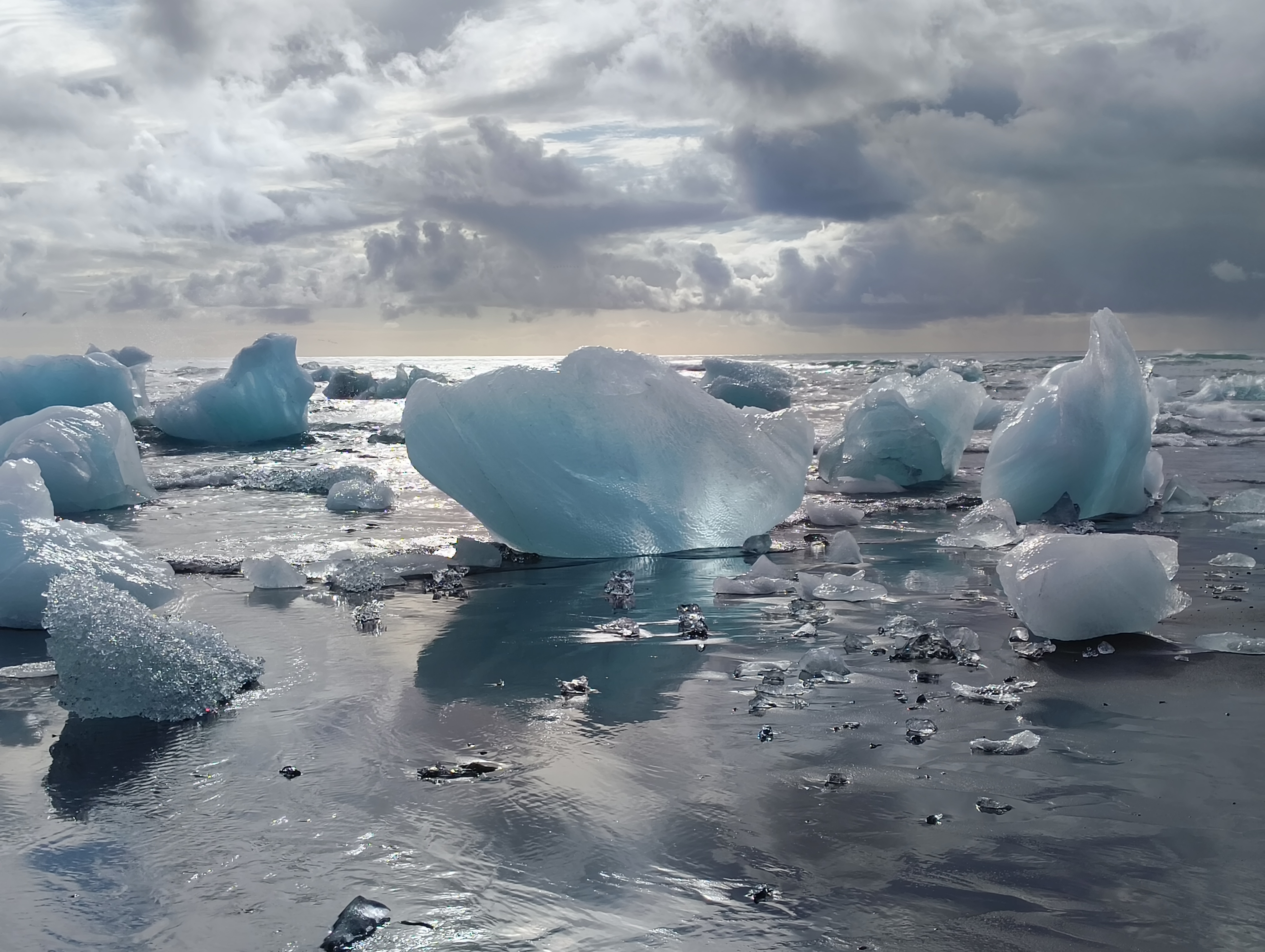
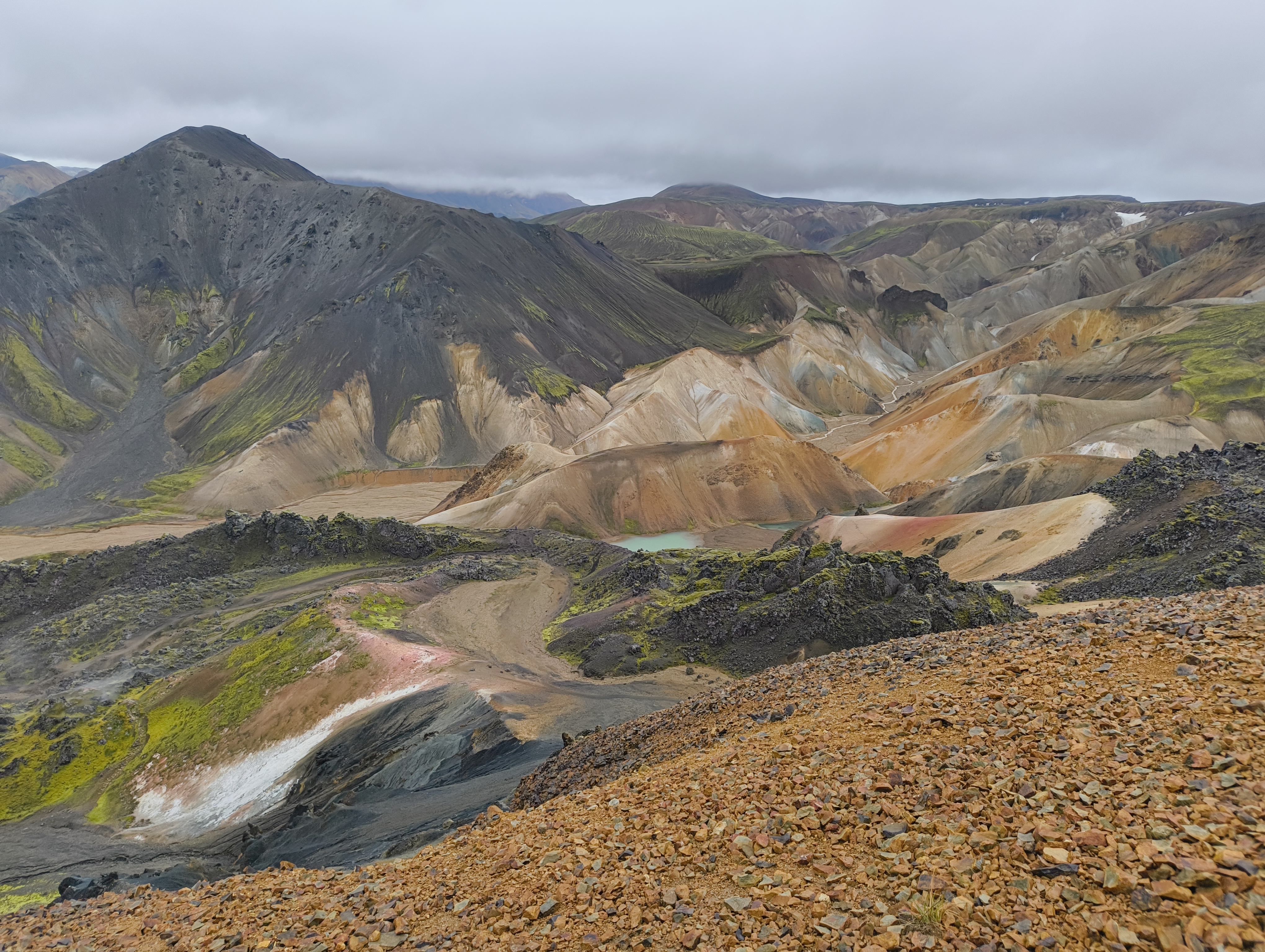

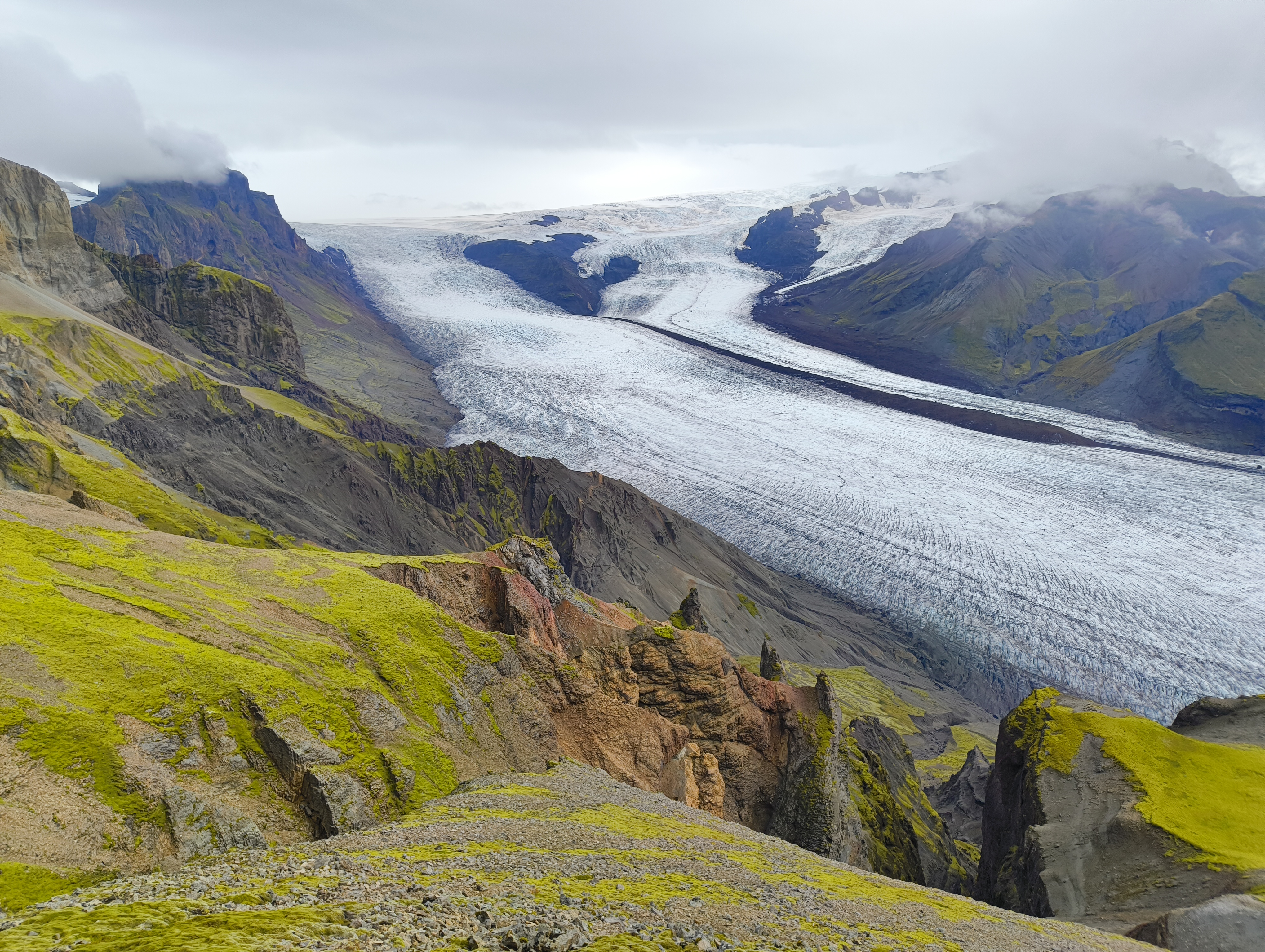
Image 3 of 3
Skaftafellsjökull, one of the glacier tongues of Vatnajökull, the largest ice cap in Iceland (second largest in Europe). (Photo: Pia Ruttner)
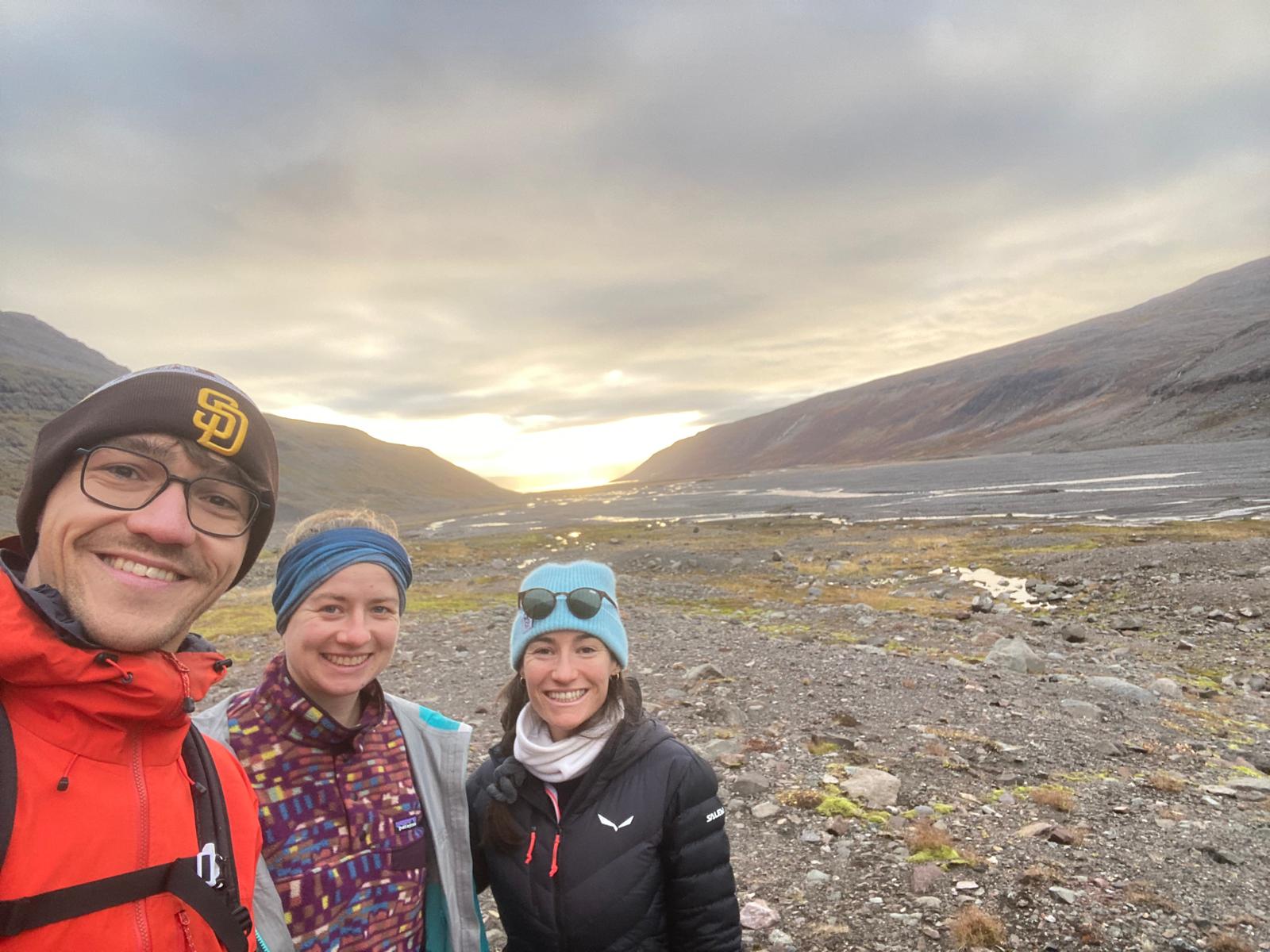
The SNOW2025 conference was held in Ísafjörður at the end of September, marking 30 years since the catastrophic avalanches in 1995 in Súðavík (January) and Flateyri (October), which together claimed more than 30 lives. It was the starting point of organized avalanche warning and hazard zoning in Iceland. With the conference came some visitors from SLF, it was a pleasure to show and explore my temporary home and surroundings!
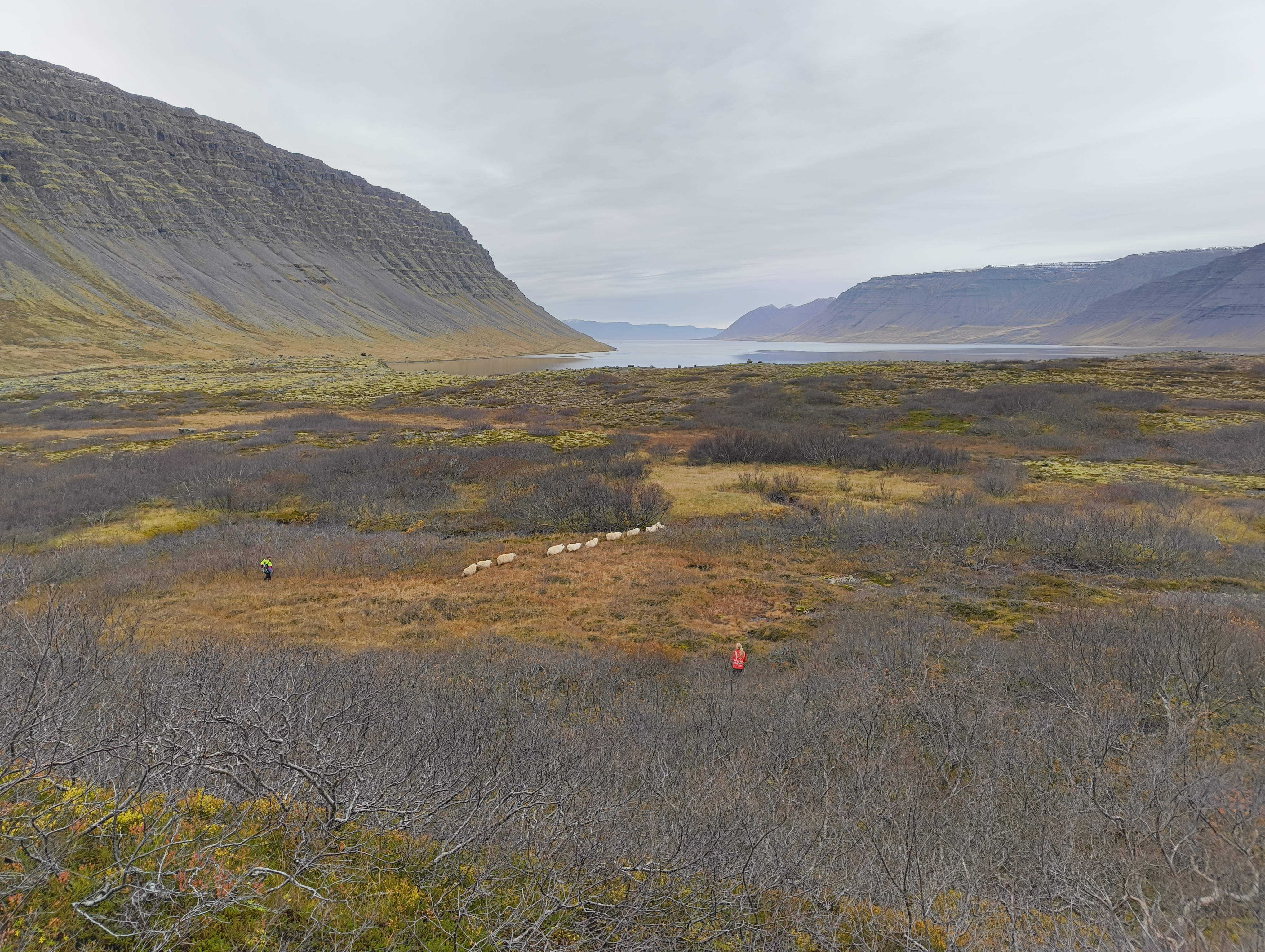
It is not allowed to leave sheep out in the wild for winter, as land owner you are responsible to collect all of them in autumn, volunteers welcome.
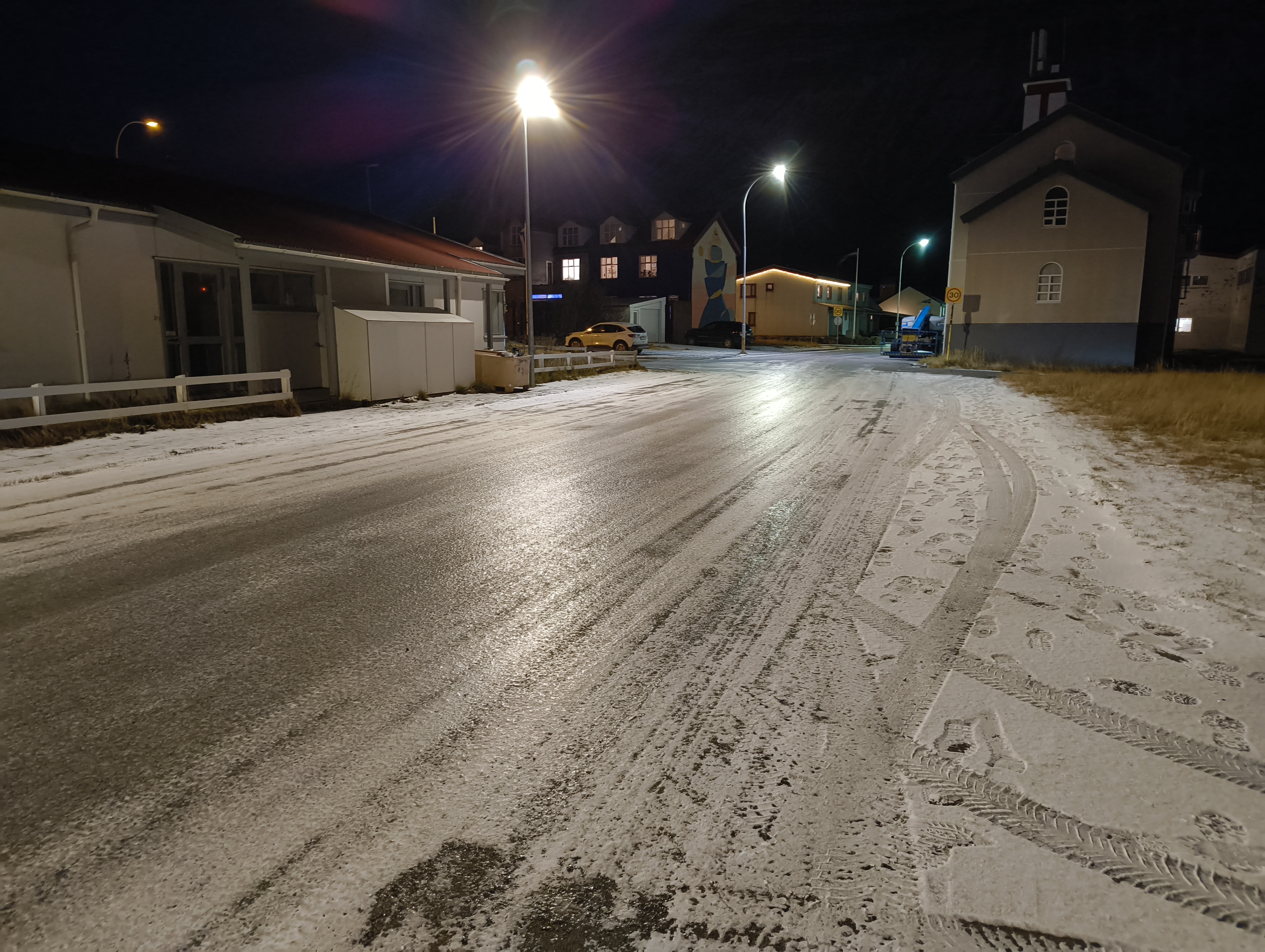
Yes, you do need spike-tires on your car in the Westfjords in winter, and why do my shoes not have any?
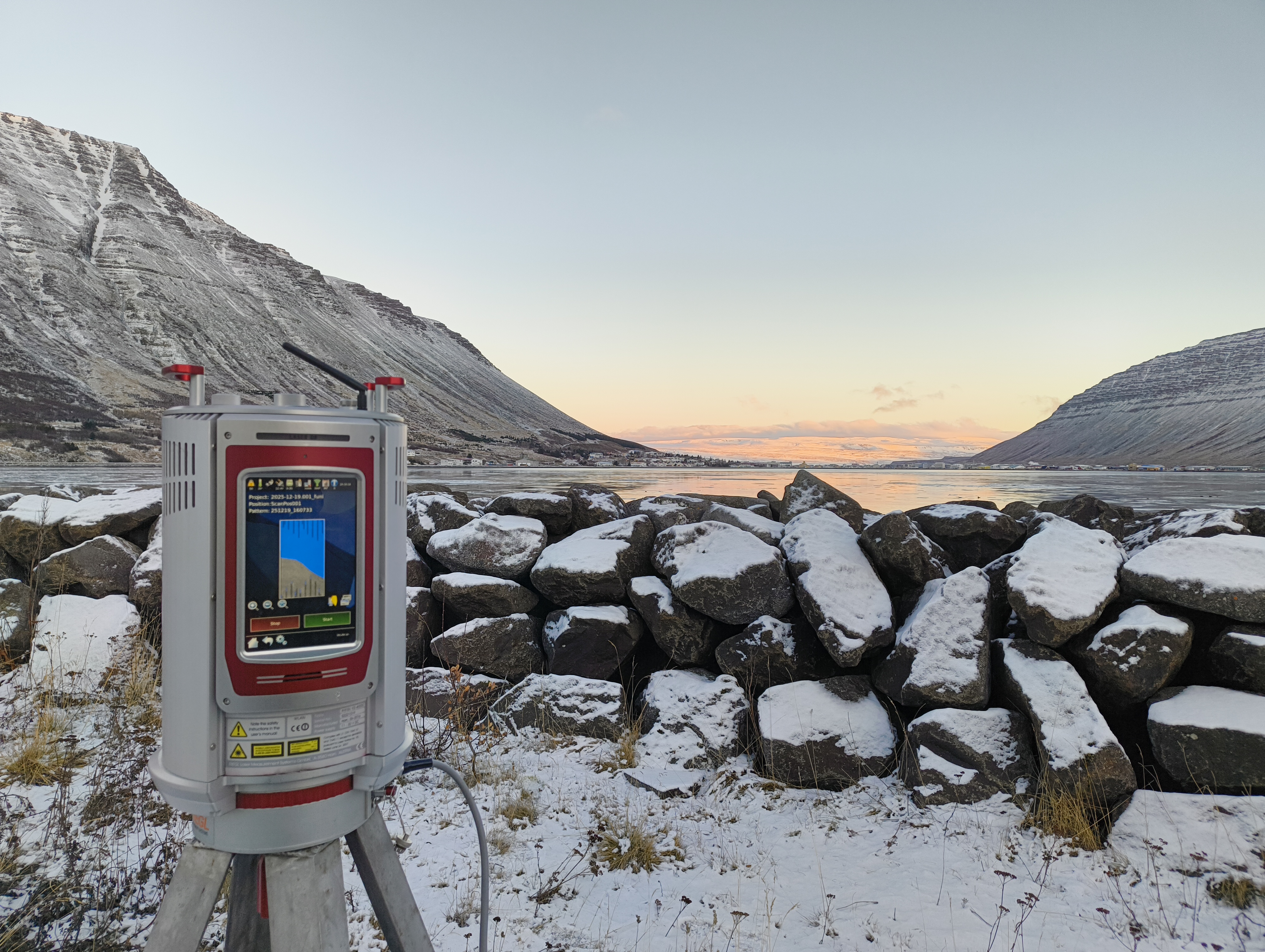
We selected two avalanche paths to monitor the snow depths throughout the winter with a high end, long-range terrestrial laser scanner. We want to take measurements in an interval of two weeks, and more often in case of snow and wind events. The snow depths are exceptionally low this winter, but with the influence of wind and melt-freeze cycles we already measured 3 meters and more in parts of our monitored areas.
Have a look at the scans here:
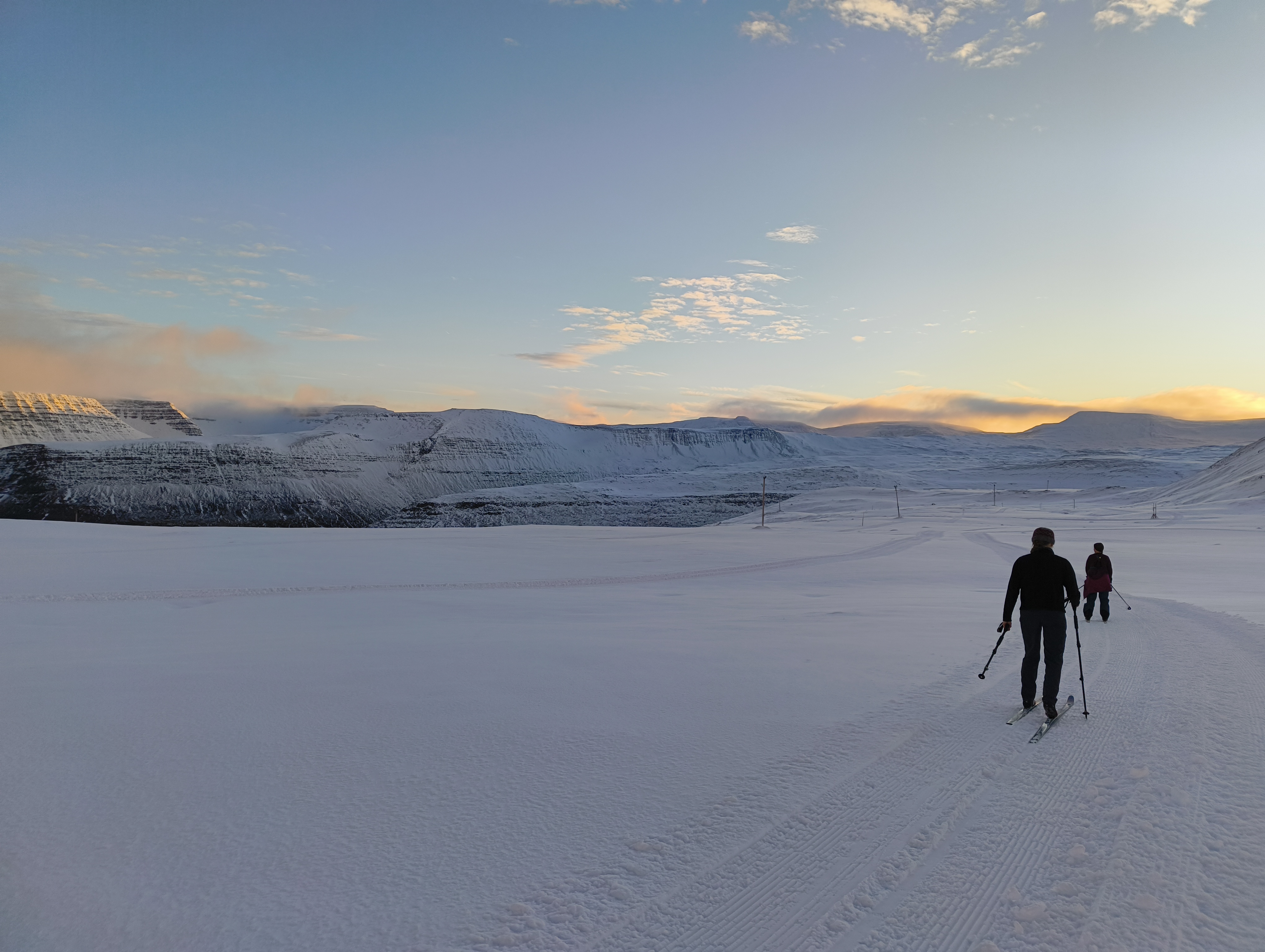
If there is snow outside you have to go out immediately if you want to enjoy a little bit of skiing (after the snowstorm calmed down) – it can be gone the next day.
Same is true for sunny-days (although, there is no sun in Ísafjörður from mid-November to end of January, so this counts for clear-sky days as well).
Take wind warnings seriously and rethink if you really need to travel on that day.
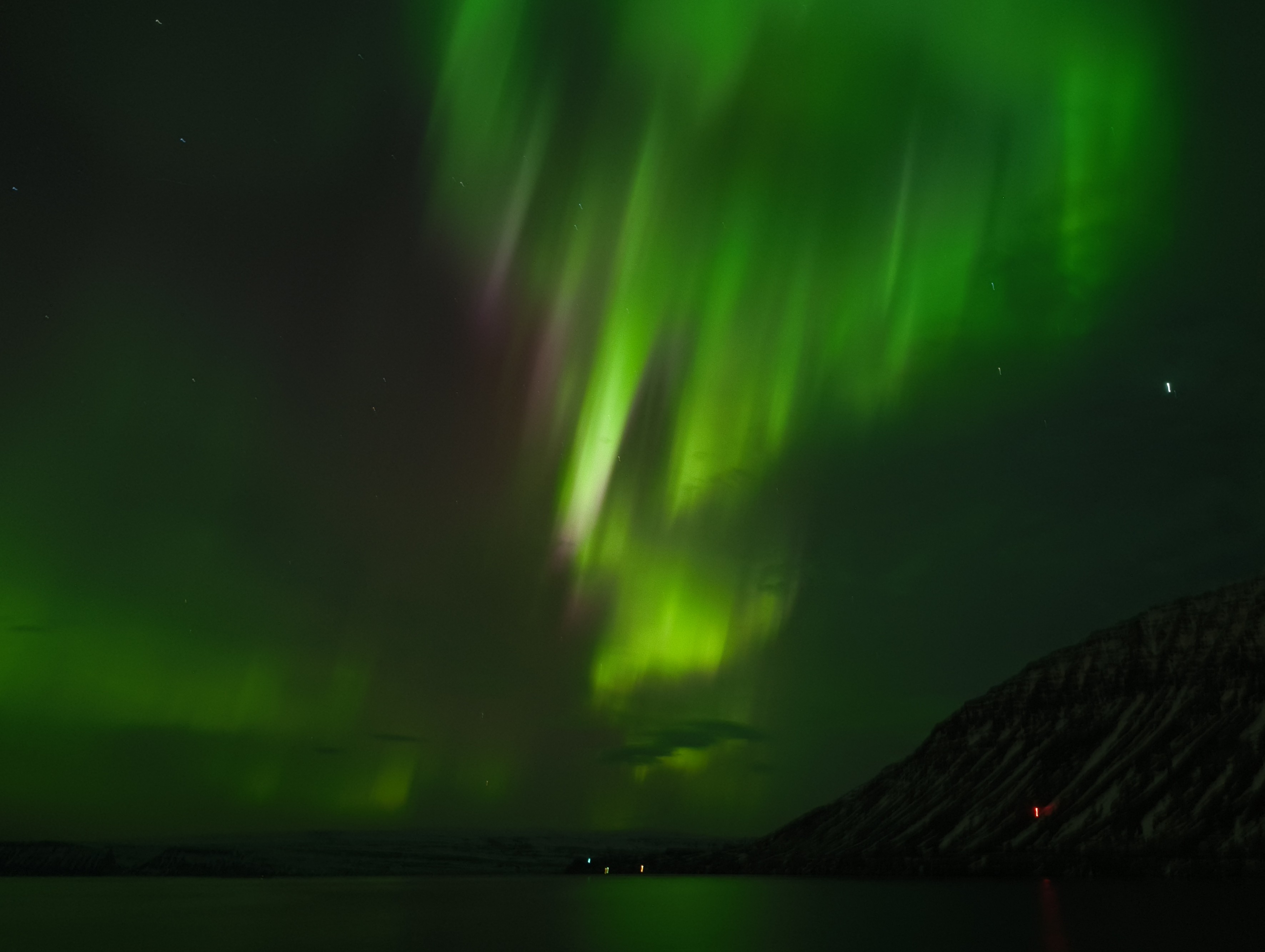
You never get used to the Northern Lights, luckily I can watch them from the warmth of my room in the student housing.
On one of the last weekends here I went on a trip to the north of Iceland, Tröllaskagi, to chase a bit of snow and the sun for some skiing. It was a long drive from the Westjords, but totally worth it!
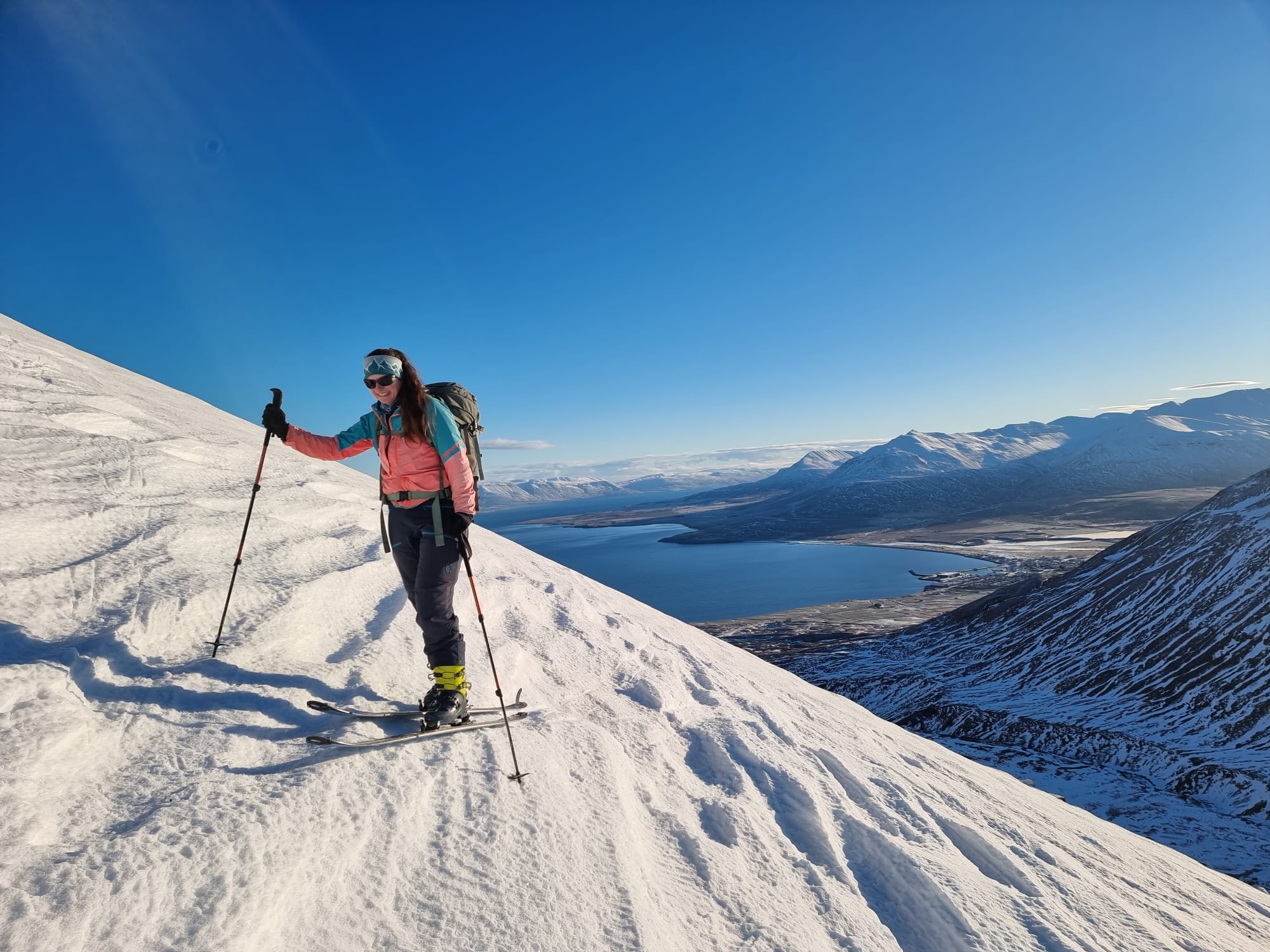
With that, I was able to use all the equipment that I brought with me, time to go home.
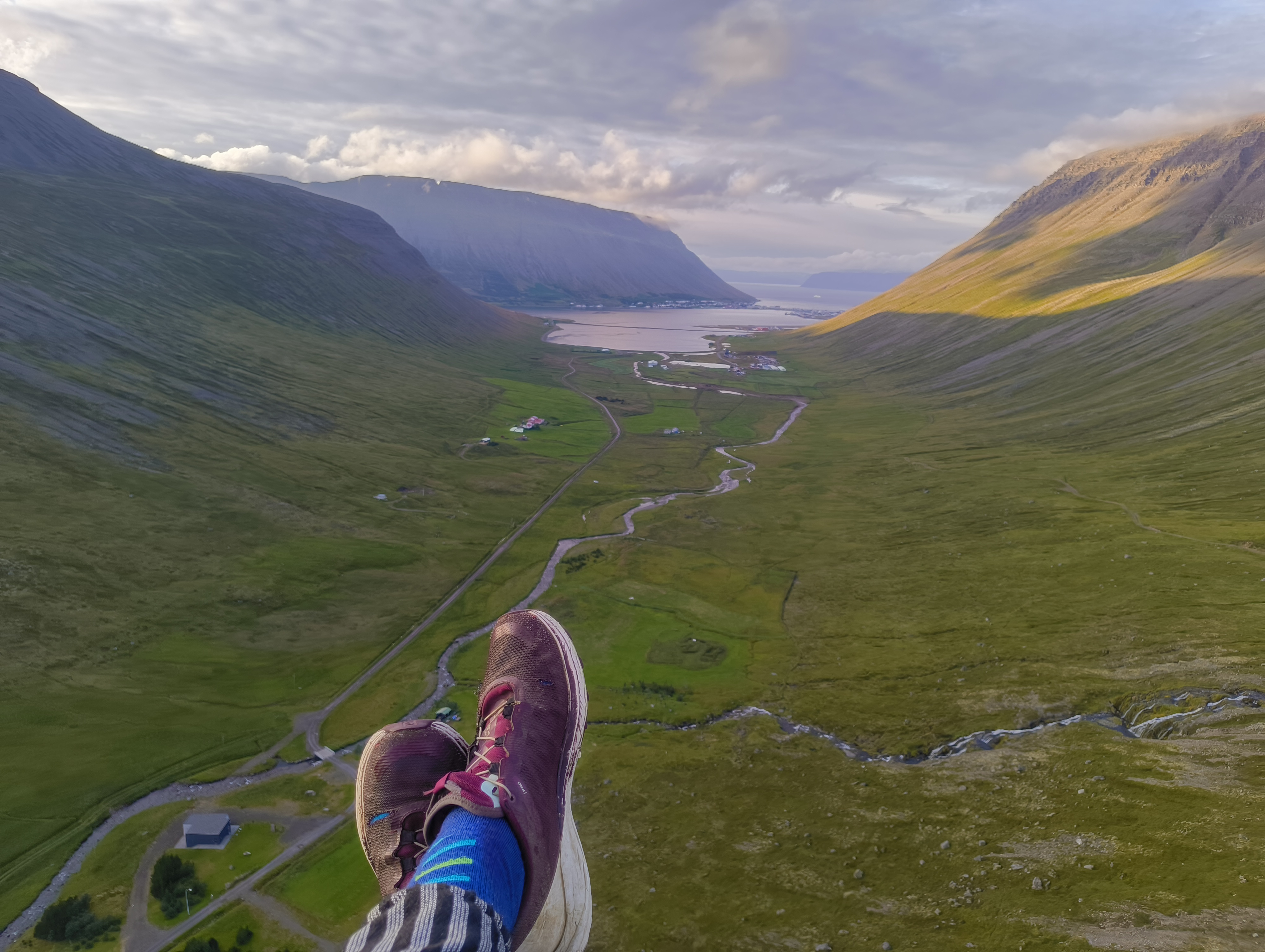
My deepest thanks and gratitude go to the IMO avalanche group in Ísafjörður, who welcomed me warmly into their office and made these months an unforgettable experience! Many thanks also to SNF, who awarded me the mobility grant that made this research stay possible.
Links 
Copyright 
WSL and SLF provide image and sound material free of charge for use in press releases in connection with this media release. The use of this material in image, sound and/or video databases and the sale of the material by third parties is not permitted.