

Forest fires don’t just strike Europe one after another, but often in several places at once. An analysis by the WSL Institute for Snow and Avalanche Research SLF and ETH Zurich shows which large-scale weather patterns are behind this – and provides a basis for cross-border crisis preparedness.
- Forest fires in Europe: The study shows the weather regimes that trigger synchronous forest fires across multiple regions, such as Scandinavia, Italy and the Balkans.
- Crucial role of weather: Where and when forests burn also depends on the time of year.
- Summer 2026 confirms findings: Synchronous fires in France and Spain occurred when there was a stable high-pressure system over the North Atlantic.
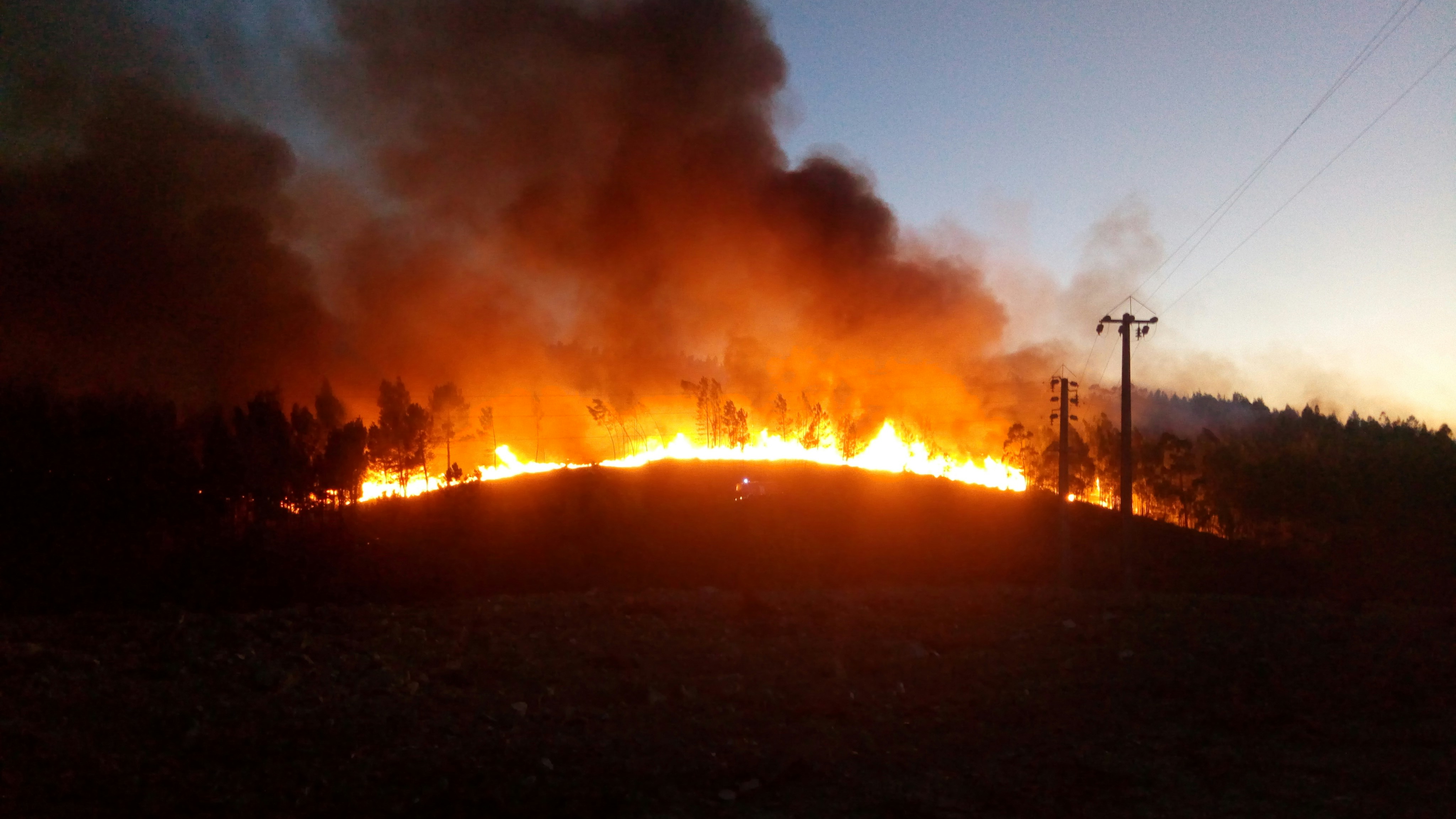
Firefighting aircraft, helicopters, fire brigades – when forests across Europe are burning at the same time, the limited firefighting resources have to be allocated efficiently, and ideally before the fires even break out. Xinhang Li, a forest fire expert at the WSL Institute for Snow and Avalanche Research SLF and at ETH Zurich, investigated whether and how such events in Europe are linked: “Our findings help with developing better early warning systems for synchronous forest fires.” Such systems could extend forecasts from a few hours to up to two weeks ahead, providing fire crews with vital extra time.
Li analysed under what weather regimes (see box) wildfires can break out in what regions of Europe. Some of the results are surprising: A stable high-pressure area over Scandinavia in summer favours forest fires not only in the far north, but also in Italy and the Balkans. Conversely, when there is a stable low-pressure area over Scandinavia in spring, this favours forest fires on the Iberian Peninsula and in the Balkans. “Such synchronous fires across multiple regions aren’t something we’re inventing – they already exist,” says Li.
What is… a weather regime?
A weather regime is a large-scale weather pattern that persists for anything from several days to a number of weeks. It ensures that the weather remains similar – for example, warm and dry, or cool and rainy – for long periods. This is not about whether any given day is rainy or sunny, but about a recurring pattern of atmospheric circulation and pressure distribution.
Fire seasons 
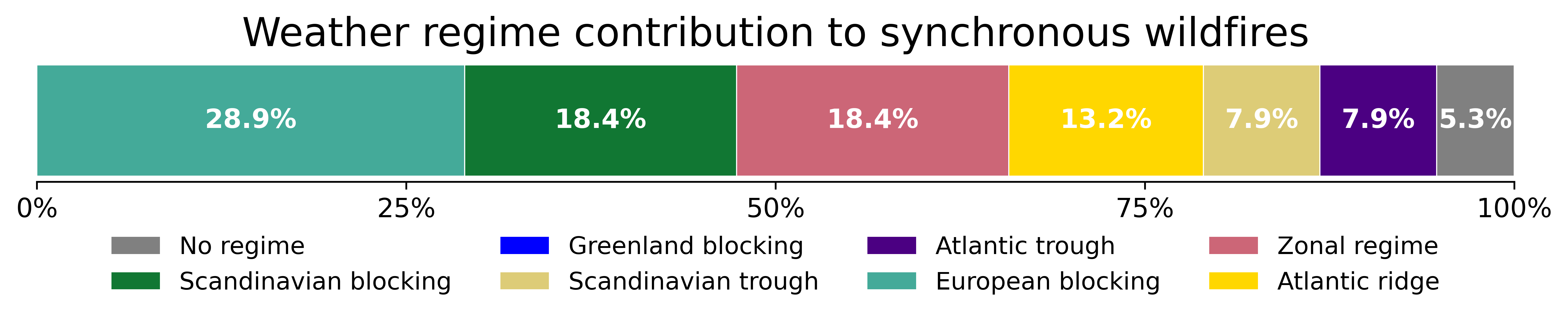
For her study, she analysed satellite data from 2001 to 2020. “From space, you can only see forest fires once they’re large enough,” says the researcher. Many small fires are therefore missing from her data, she explains. She also excluded fires in built-up areas and on agricultural land. In the agricultural sector in particular, it is often unclear whether a fire was started deliberately or broke out accidentally.
She also found that the time of year plays a key role: “While Scandinavia and Southern Europe mainly experience fires in summer, forests in Germany, the UK and Central Europe burn more often in spring.” She refers to these as “fire seasons”. In the Alps and France, on the other hand, she did not observe such distinct fire seasons.
High-pressure system over the North Atlantic, forest fires in France and Spain 
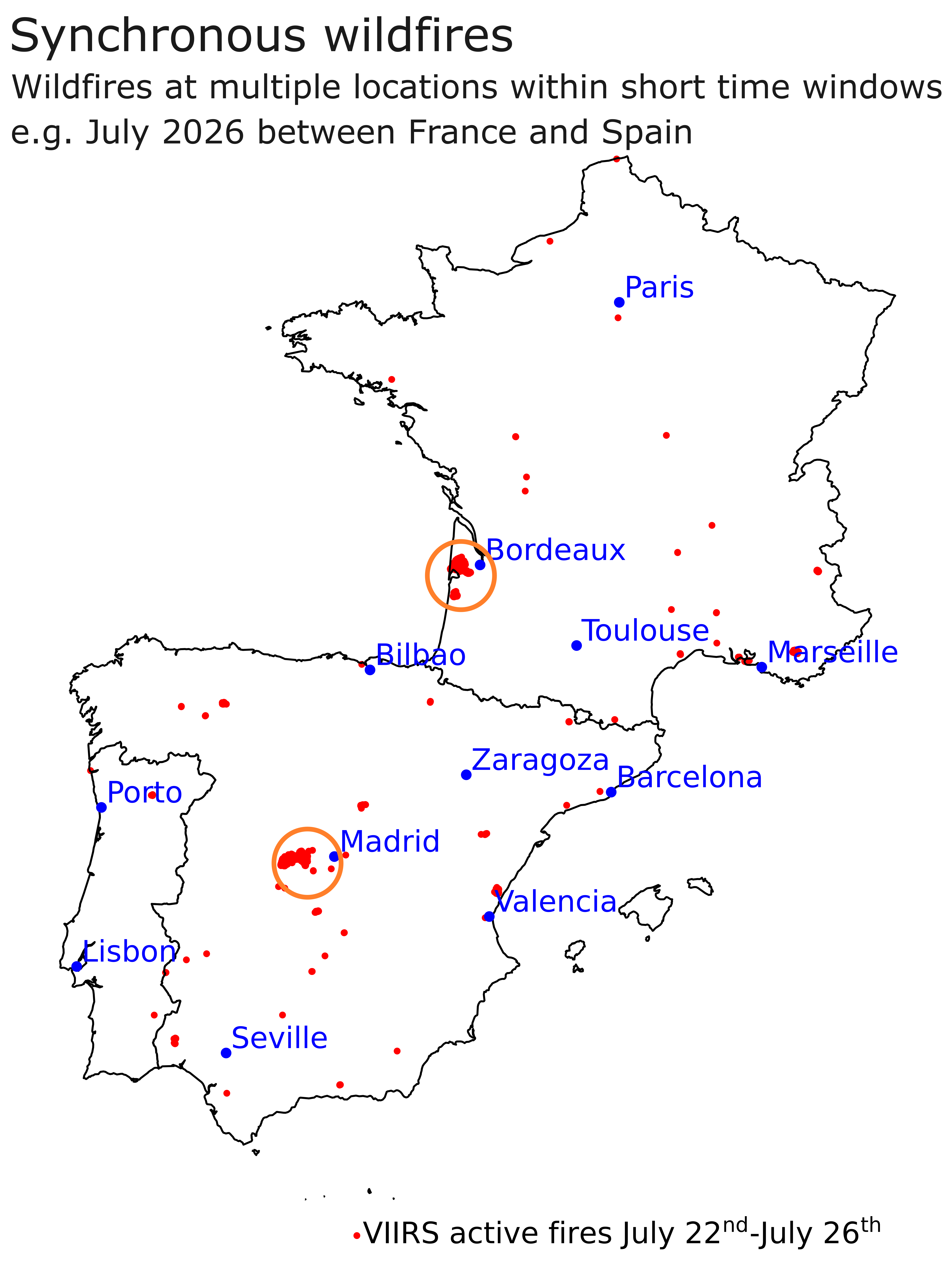
In the next step, Li compared her results with weather data. When, in the summer of 2026, forests in France and Spain were burning at the same time and tens of thousands of people had to be evacuated, a high-pressure system over the North Atlantic caused windy conditions for weeks, combined with hot and dry summer weather. “These synchronous fires occurring under these weather conditions are consistent with my findings,” explains Li. Only one of the seven weather regimes that were examined suppressed synchronous fires in the 20 years from 2001 to 2020, says Li: “When there’s a high-pressure system over Greenland, we have a low-pressure system over mainland Europe, and then it’s relatively cold and damp there.”
Links 
Contact 
Project 
Funding 
The study was funded by ETH Zurich.
Copyright 
WSL and SLF provide image and sound material free of charge for use in the context of press contributions in connection with this media release. The transfer of this material to image, sound and/or video databases and the sale of the material by third parties are not permitted.