

09.07.2025 | Michael Haugeneder | SLF News
Contact 
Three SLF employees spend two months on the research vessel Polarstern to record various snow data in the Arctic ice. They report on their journey in the logbook blog. Part 1.
This text was automatically translated.
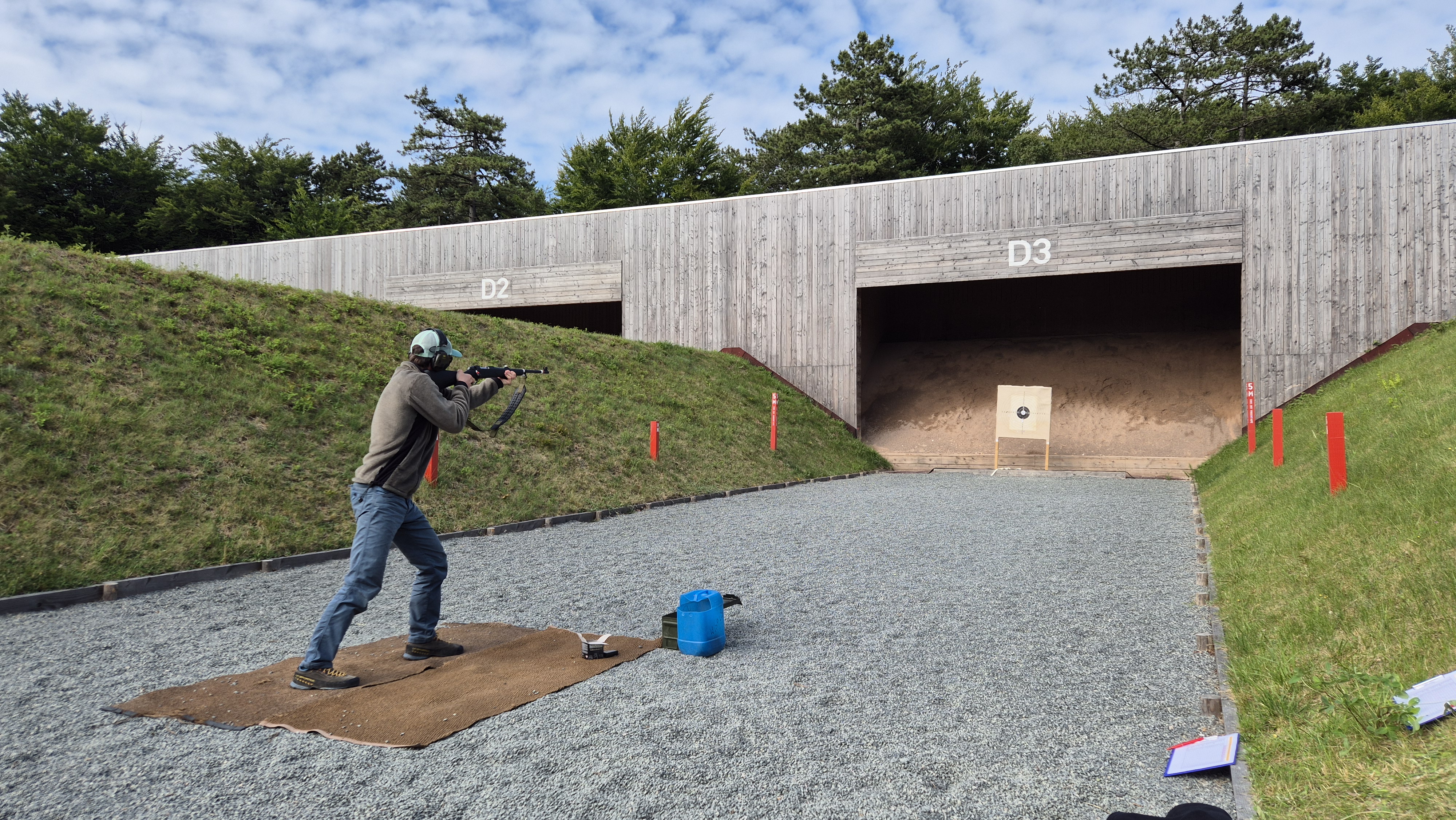
"Unfortunately, the train to Hamburg Central Station has been canceled today due to operational disruptions." Matthias and I look at each other, annoyed. This is not how we had imagined the end of a long day. Throughout the day, we attended a course on polar bear protection at the German Alfred Wegener Institute in Bremerhaven. After a morning of theory, we spent the afternoon on a shooting range practising what to do in an extreme emergency if you can't retreat quickly enough and the bear can't be scared off. This also included a short shooting training session at the shooting range.
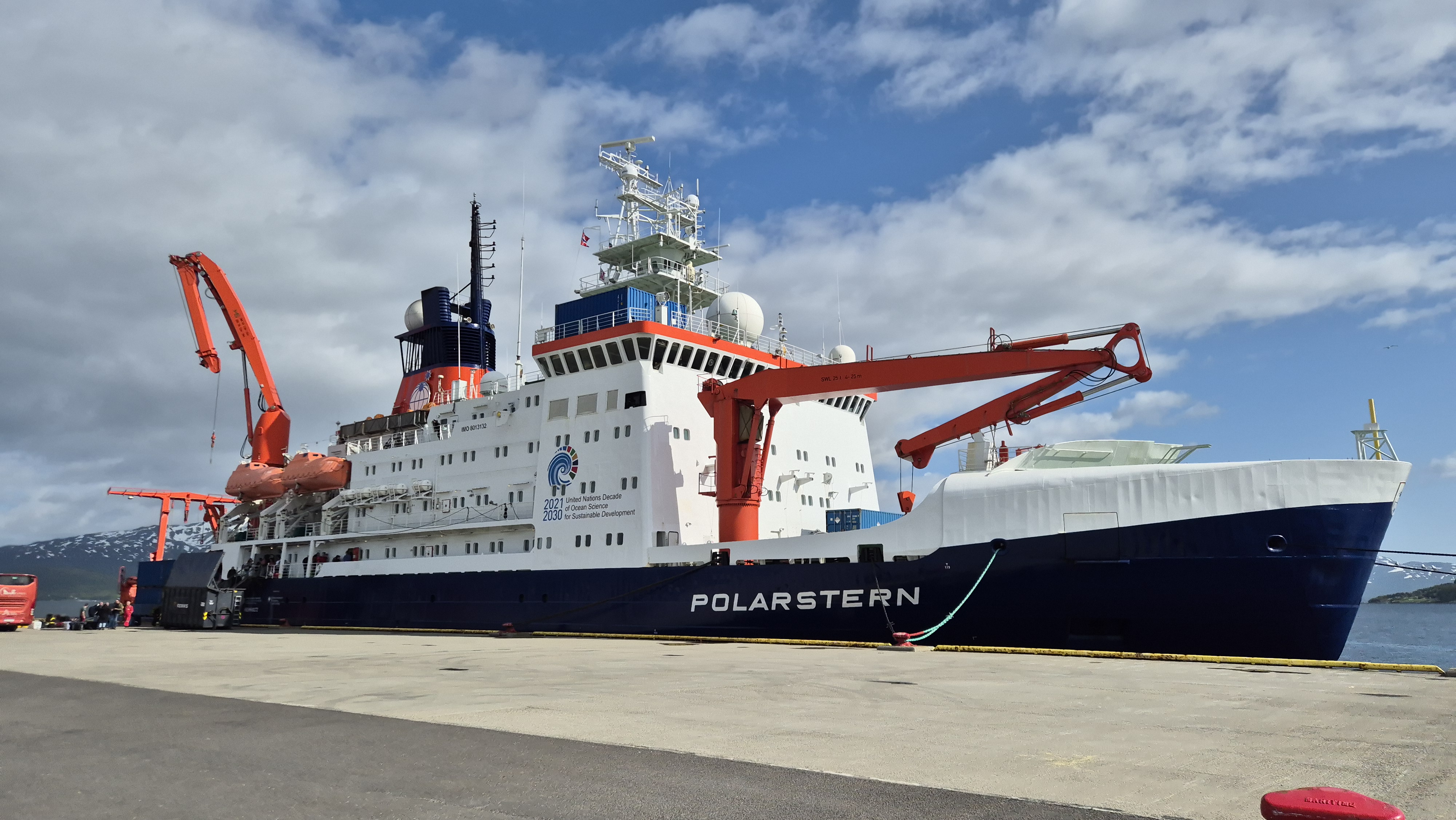
Why are we taking part in this course? Ruzica Dadic, Matthias Jaggi and I (Michael Haugeneder) are taking part in the CONTRASTS expedition on the German research vessel Polarstern this summer. Together in a team of over 50 scientists, we are traveling to the Arctic ice north of Spitsbergen and Greenland. There, we will characterize the sea ice surface at various stations using snow profiles, measurements with the SnowMicroPen (SMP) and the SnowImager. We also take snow samples to determine the microstructure, which we can later analyze in the computer tomograph in the cold laboratory at the SLF. In addition, we measure turbulent heat flows a few meters above the ice in order to quantify the heat exchange with the atmosphere. We also use our infrared camera setup, which we have already deployed over snow and glacier ice in various campaigns (see news article "The ghost of the glacier"). In addition, we use drones to determine the albedo (reflectivity) of the ice, as this has a decisive influence on melting. Together with the many measurements taken by all the scientists on the Polarstern, we are trying to better understand the complex processes in the Arctic sea ice in order to be able to assess the effects of sea ice changes on the climate and marine ecosystems.

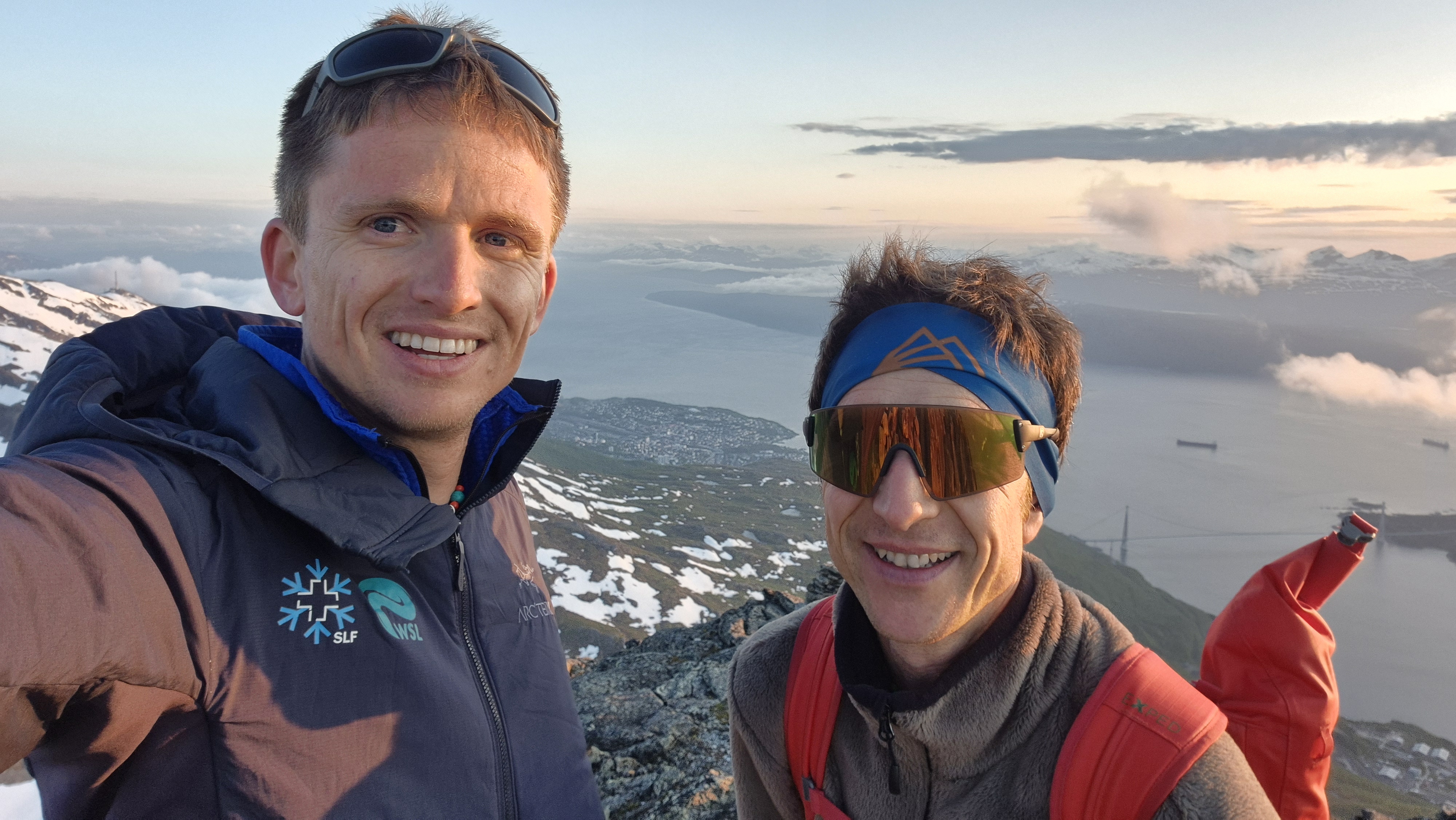
Image 1 of 3
Midnight sun over Narvik. (Photo: SLF)

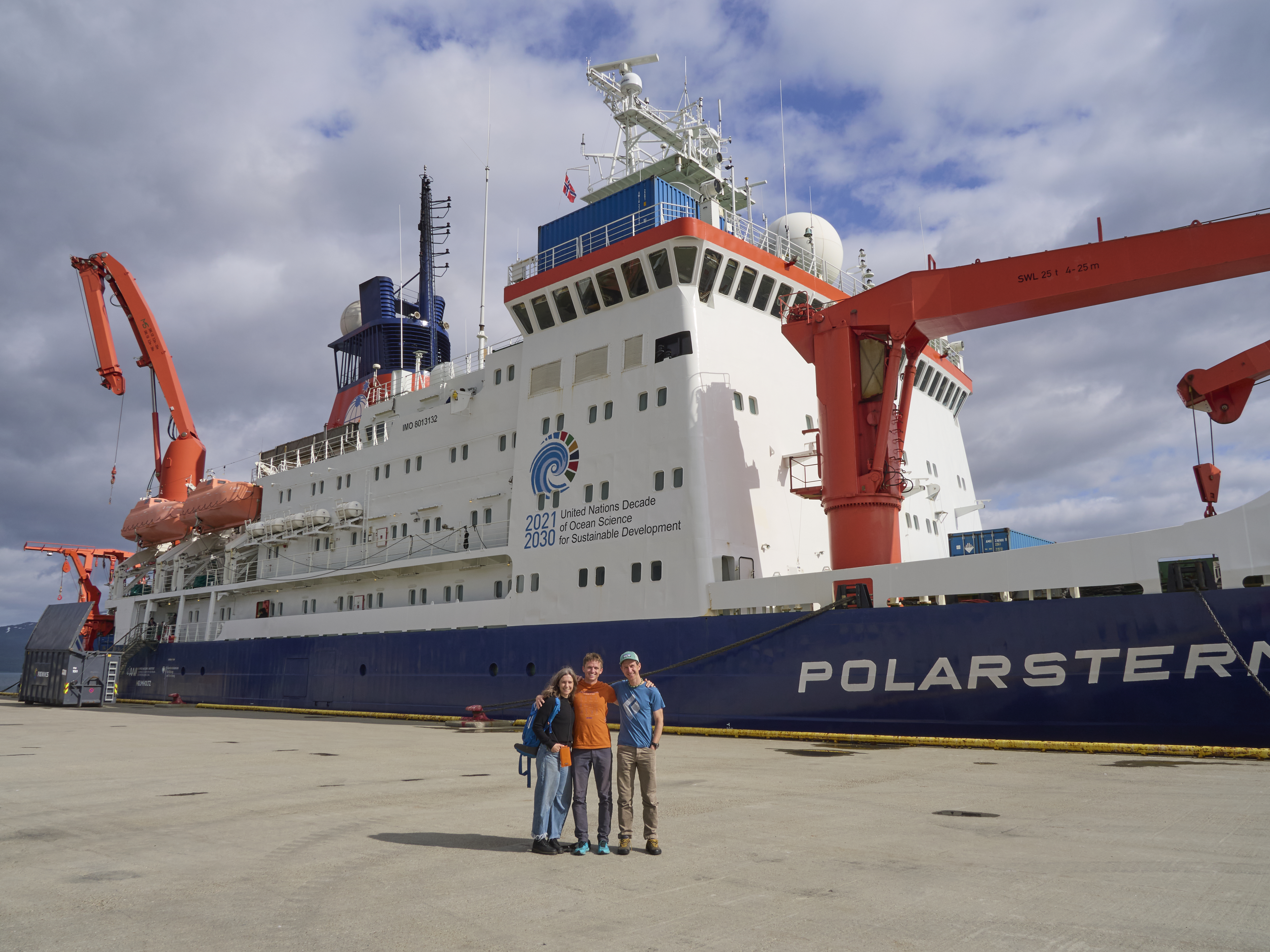
Image 2 of 3
We little scientists with the big ship. (Photo: Melinda Webster)

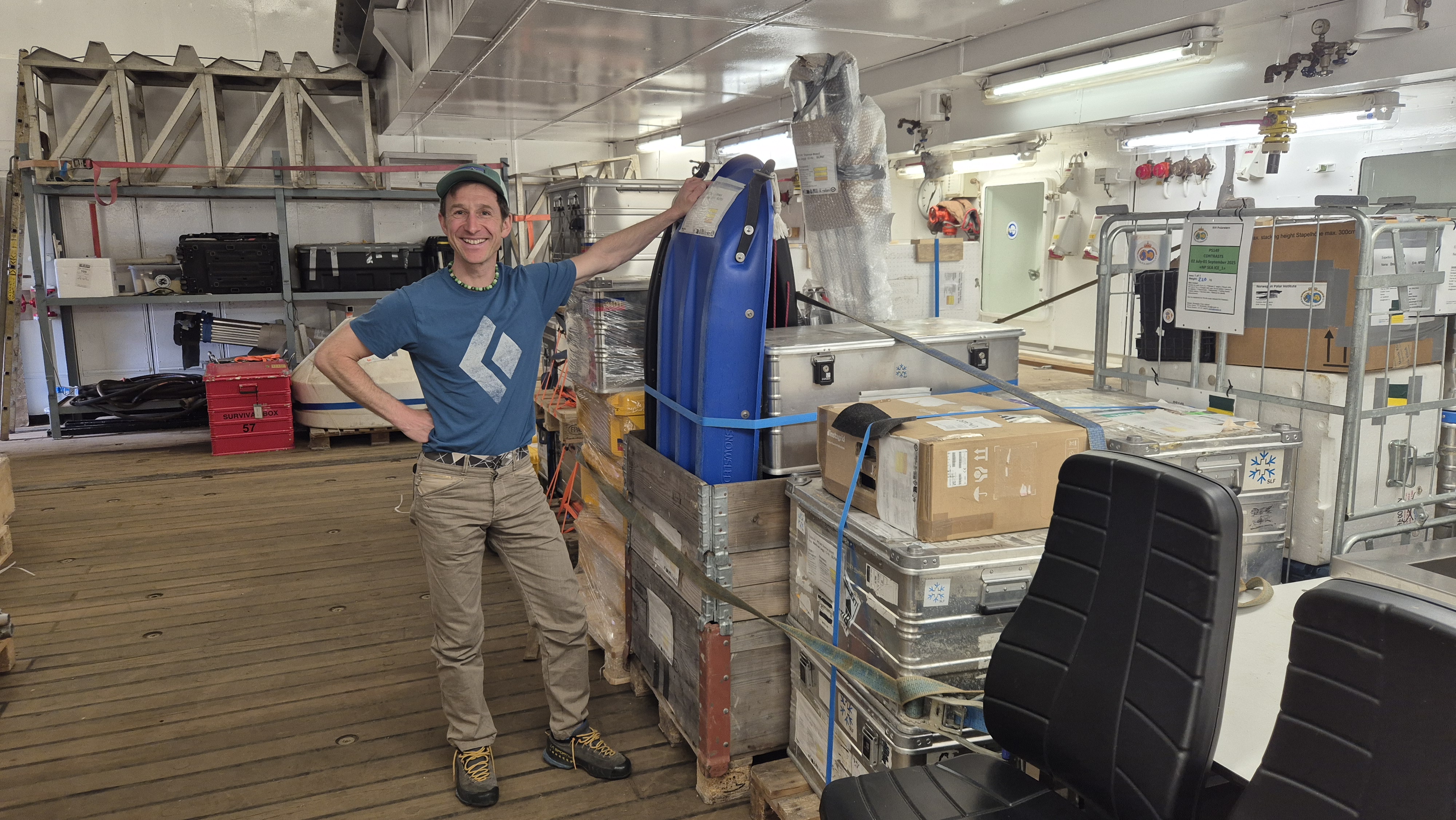
Image 3 of 3
Our luggage has arrived on the Polarstern. (Photo: SLF)
Links 
Copyright 
WSL and SLF provide image and sound material free of charge for use in the context of press contributions in connection with this media release. The transfer of this material to image, sound and/or video databases and the sale of the material by third parties are not permitted.