

04.02.2026 | Anja Mödl | SLF News
Contact 
Anja Mödl is a PhD student in the Snow Processes group at the SLF. She is spending one and a half months at the Italian Mario Zucchelli station in the Antarctic. Together with her Finnish colleague Roberta Pirazzini, she wants to determine the properties of the surface scattering layer. In the logbook blog, she reports on her work and her stay in Antarctica. Part 3.
My time in Antarctica is slowly coming to an end. But January was still eventful.
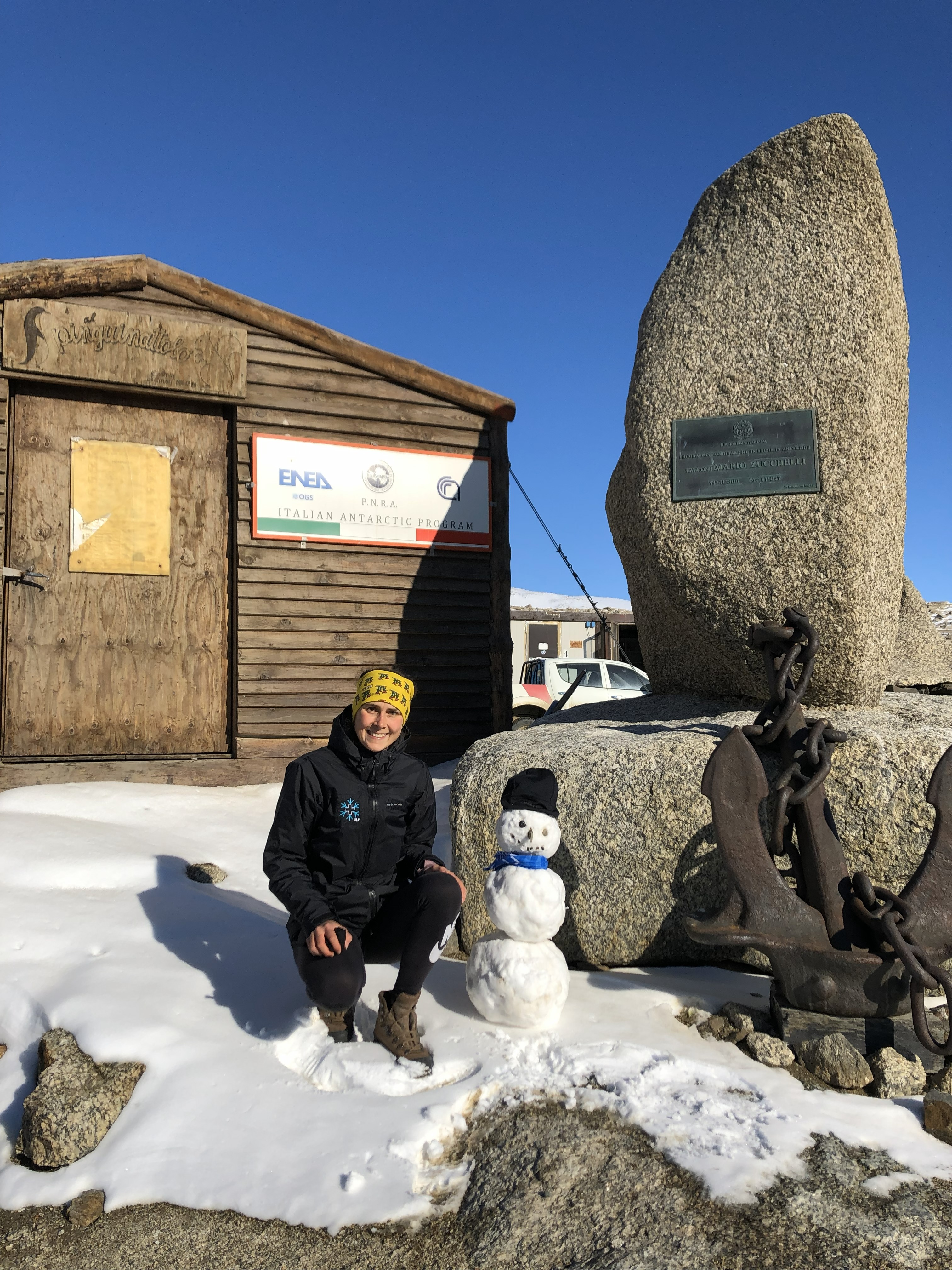
At the beginning of January, we encountered a major setback. We were informed that the helicopter flight hours available to the station for this season had already been used up. This means that we have no opportunity for further measurements on our measuring field on the Nansen Ice Shelf. We can only return there once more at the end of the season to dismantle the permanently installed weather stations. After only two proper measurement days, this was of course a big shock and an extremely sobering experience. Now we hope that at least the automatic weather stations will remain stable and that we will get good and useful data from them. However, giving up was not an option for us, as we were determined to carry out further measurements. In the end it worked out: We were able to fly in the helicopter with another researcher who was also carrying out measurements on the Nansen Ice Shelf. It remains a mystery to us why she was granted flight hours but not us. Be that as it may, we were happy to at least get a third day for our series of measurements, albeit with limited equipment, as we had to share the helicopter seat.
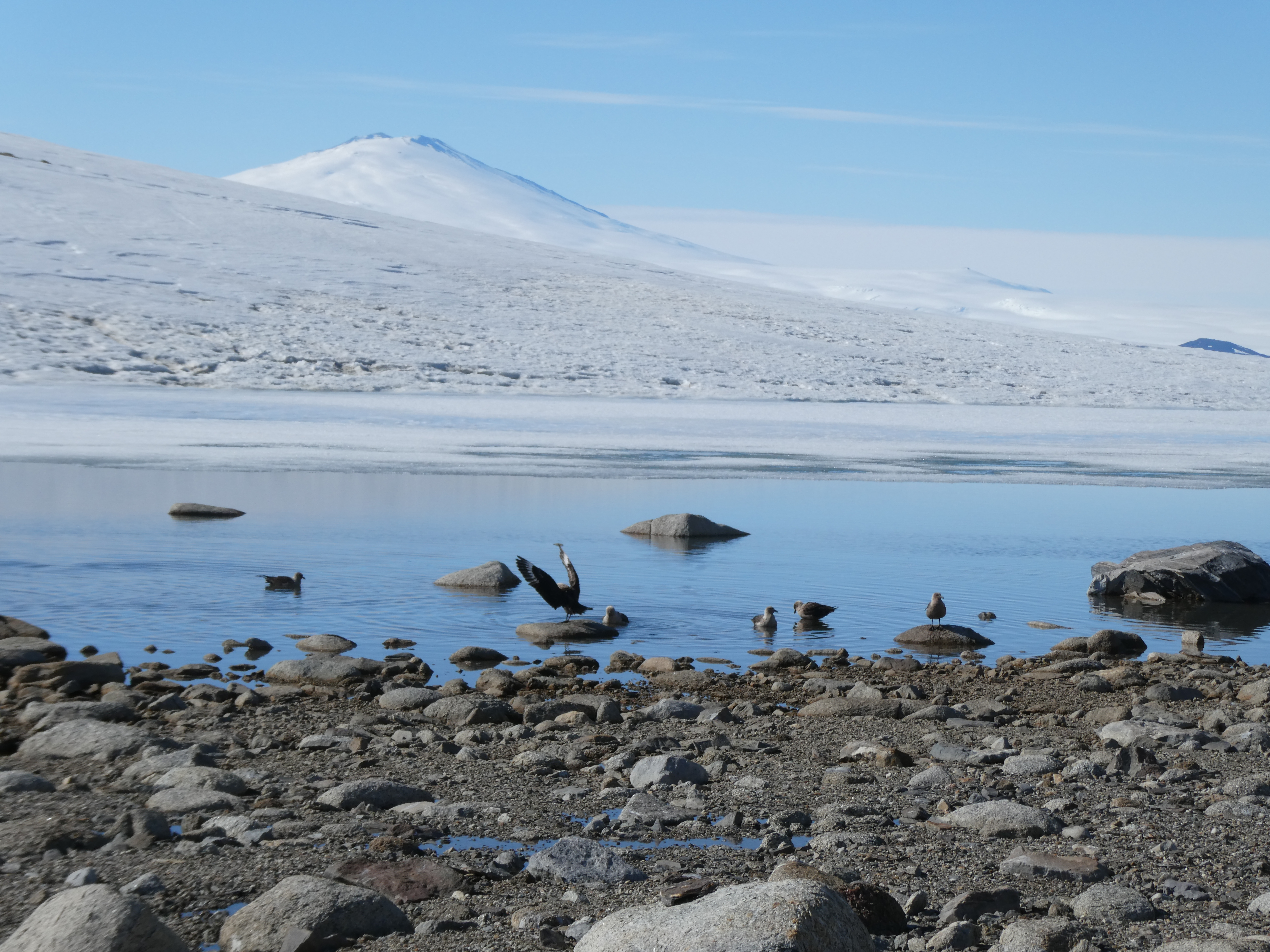
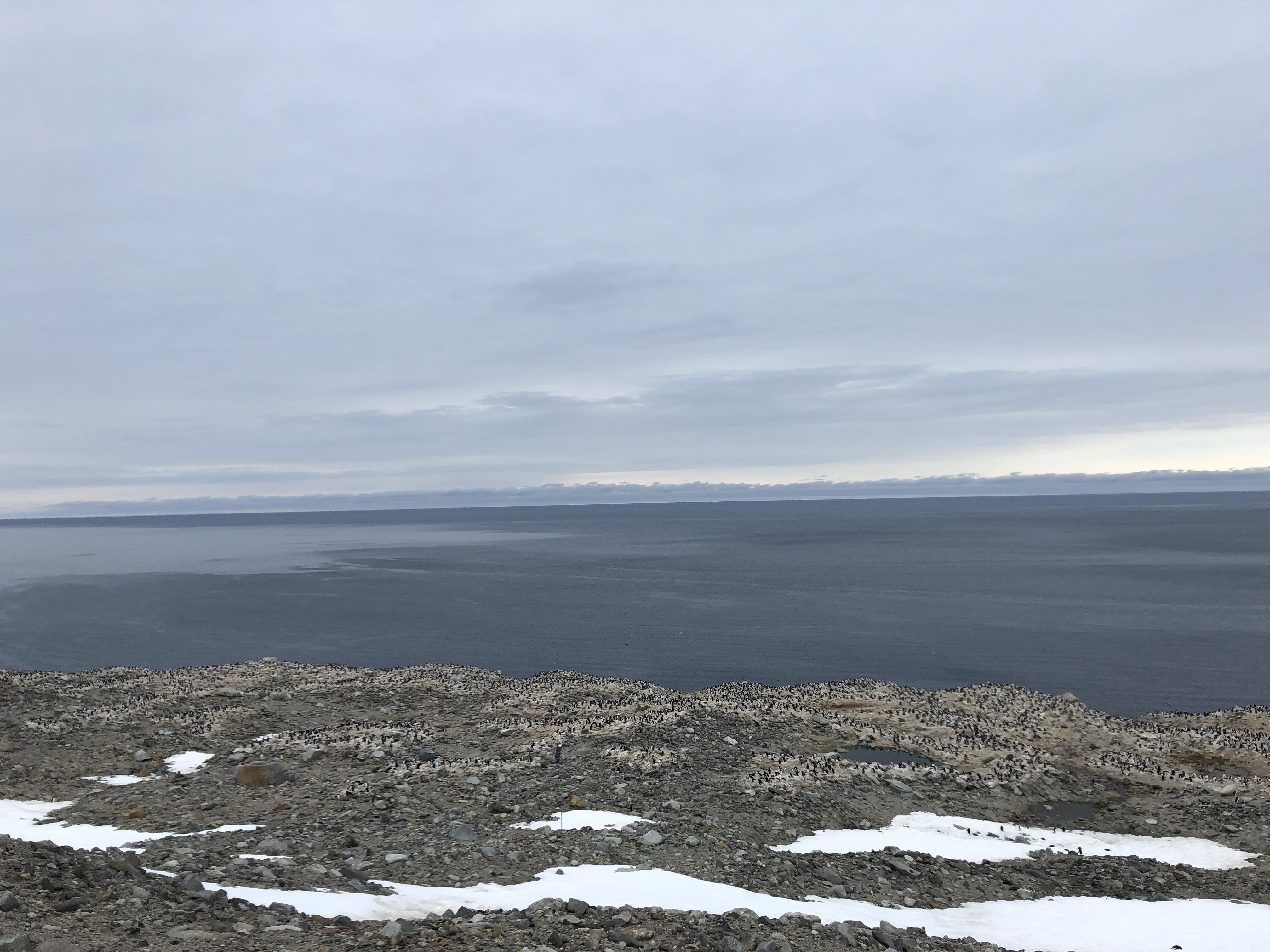
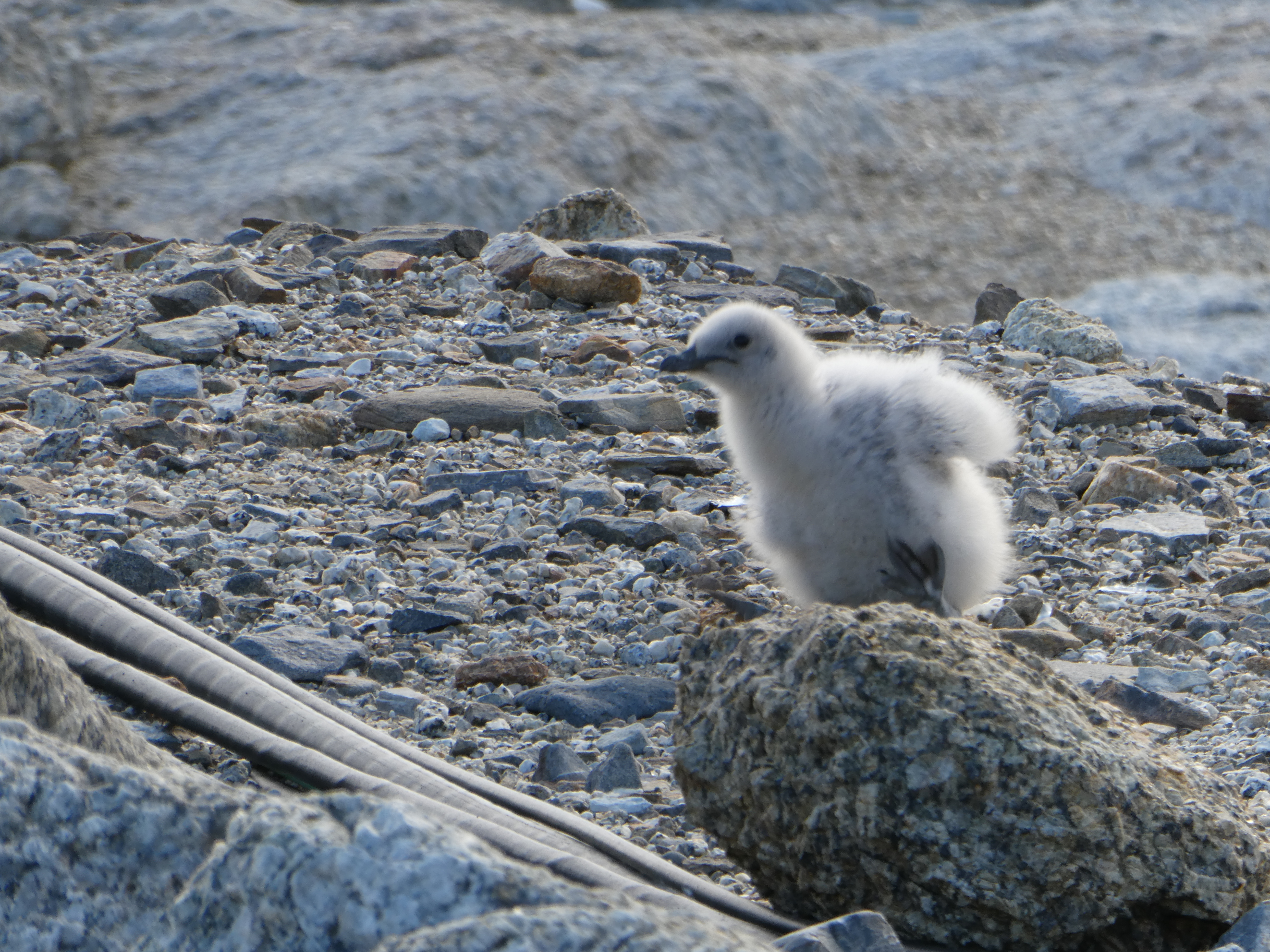
Due to this cut-off in our fieldwork, we suddenly had some unexpected time, which we used to explore the area some more. Among other things, we discovered seals on the sea ice, skua chicks and lots of penguins. Some of the penguins even came onto the station grounds. On a free Sunday afternoon, we also visited a nearby Adelie penguin colony. The size of the colony was very impressive. I assumed that there were a few hundred animals in a colony, but in fact the group consisted of several thousand penguins. The colony had just hatched chicks. There were lots of "gray stones" between the penguins, yes, the young penguins really do look like little furry stones from a distance. It was really impressive.
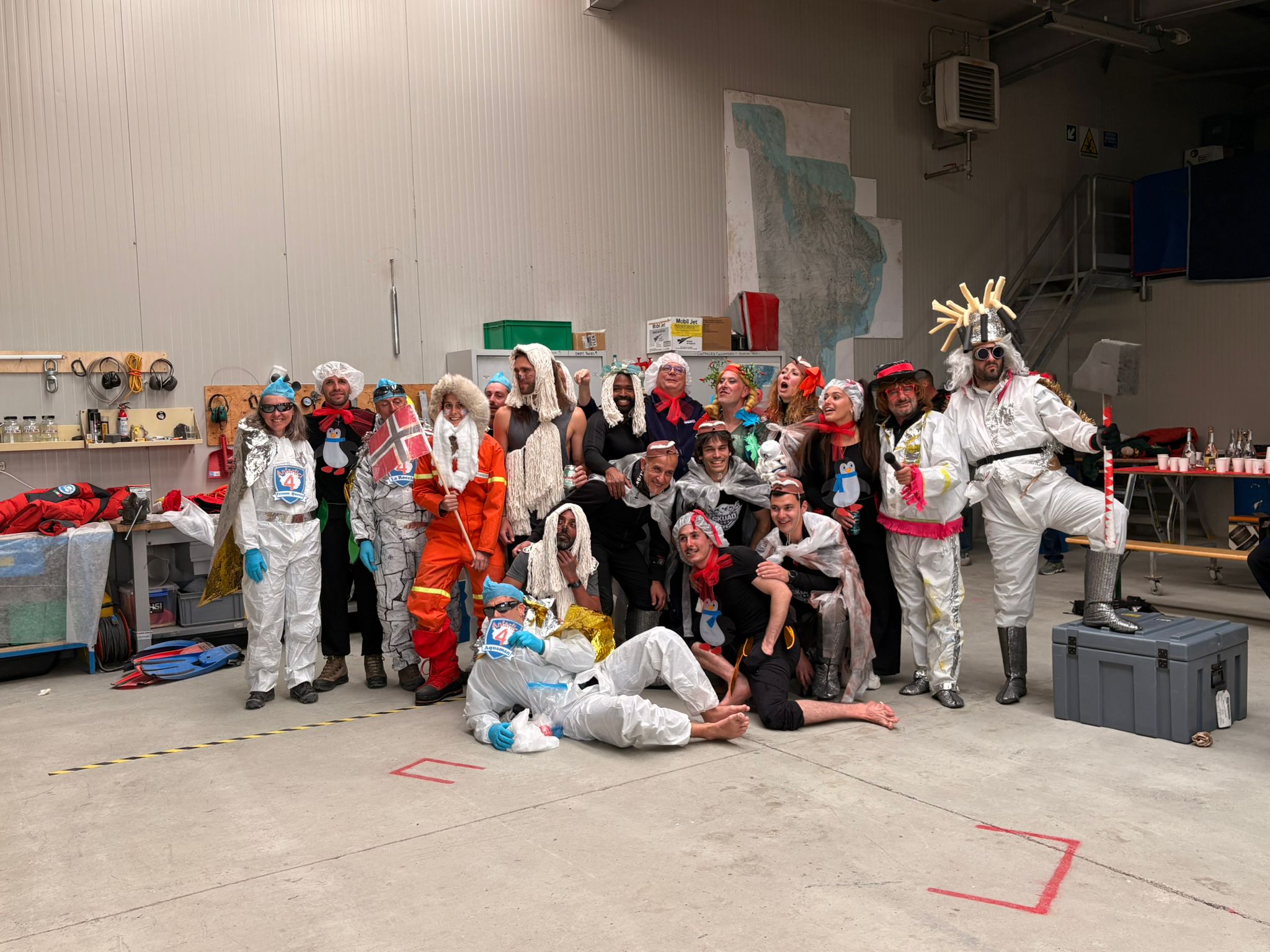
There was also a lot on offer again at the ward - the so-called "depingamento". This is a kind of integration ritual for everyone who is on the Mario Zucchelli ward for the first time. We were divided into teams of four and each team had to choose its own theme and dress up accordingly. My group's theme was "Amundsen". We represented the Amundsen South Pole expedition. I was Amundsen and my three teammates were the sled dogs who pulled me on a small trolley. It was extremely funny and definitely one of the highlights of the evening. During the event, we had to complete various small games, sometimes in teams and sometimes just as individuals. The concept was based on the former TV show "Game without Borders". Our team didn't do particularly well, but we definitely won the prize for the most original idea. However, the event is probably mainly designed to entertain the other station members. I think we all had fun in the end.
At the end of the event, we were all presented with a certificate - even those who had already been to the station several times. This confirms that we have crossed the Arctic Circle, including the exact time. This is a really nice gesture and a memory that I would never have expected.
However, my personal highlight of the expedition - apart from the breathtaking landscape - was definitely the marathon. Together with Eloy, a French polar researcher, I spontaneously decided one Sunday: "Let's run a marathon. Or at least see how far we can get."
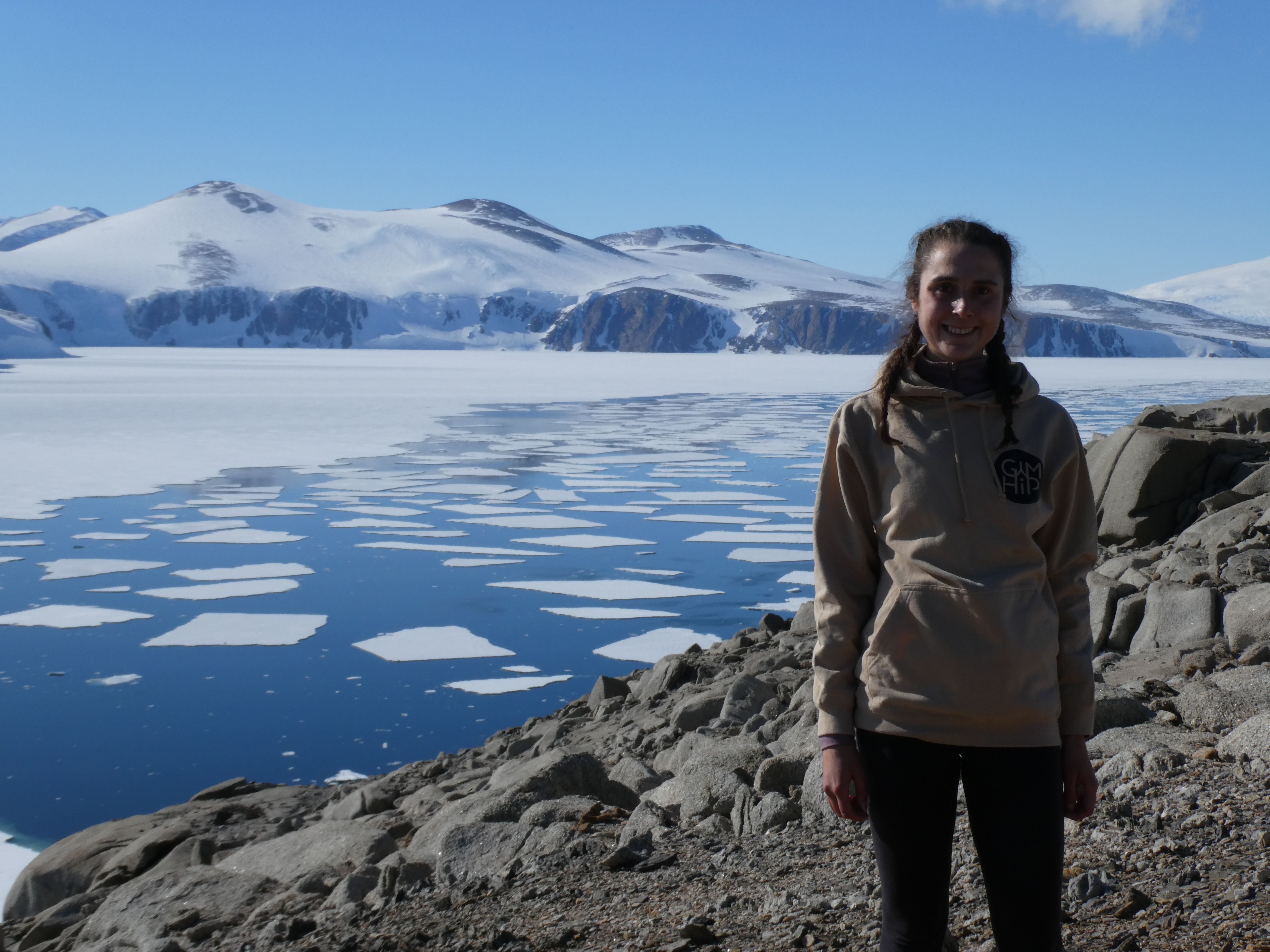
It has to be said that it's not that easy here, as we only have paved paths in a limited radius and the terrain is very mountainous overall, sometimes with unstable ground. We put together a loop of around 14 kilometers that we wanted to run three times. Then we just set off once. We felt really good - so we kept running until our watches showed 42.2 kilometers and 1,109 meters of elevation gain at the end. And all in 3:54 hours and in Antarctica. It's also worth mentioning that it was Eloy's first ever marathon. In the end, we were proud, as we had also run the first marathon in Terra Nova Bay. It may even have been the marathon with the highest altitude change ever run in Antarctica. Although there are three official Antarctic marathons, they all cover significantly fewer meters in altitude difference. Ultimately, however, this is irrelevant - for me, what counts most is the personal experience.
I also held two video conferences with pupils from my former school in Germany. I first gave a short presentation about my work and life in Antarctica and then answered their questions. I have also already started work on the final publication for the Polarin Ambassador program.
As you can see, I didn't get bored despite the reduced flying hours. Nevertheless, a certain feeling of dissatisfaction remains. We have traveled so far to carry out our research - and then fail due to a lack of helicopter flights. But that's probably part and parcel of science: You have a plan, and in the end you see what can actually be implemented. In consultation with Roberta, we have at least come to the conclusion that we were able to collect the minimum amount of data to prevent the project from failing.
This brings me to the end and I'll be in touch again after my return to report on the conclusion of the expedition and the return journey.
Links 
Copyright 
WSL and SLF provide image and sound material free of charge for use in the context of press contributions in connection with this media release. The transfer of this material to image, sound and/or video databases and the sale of the material by third parties are not permitted.